
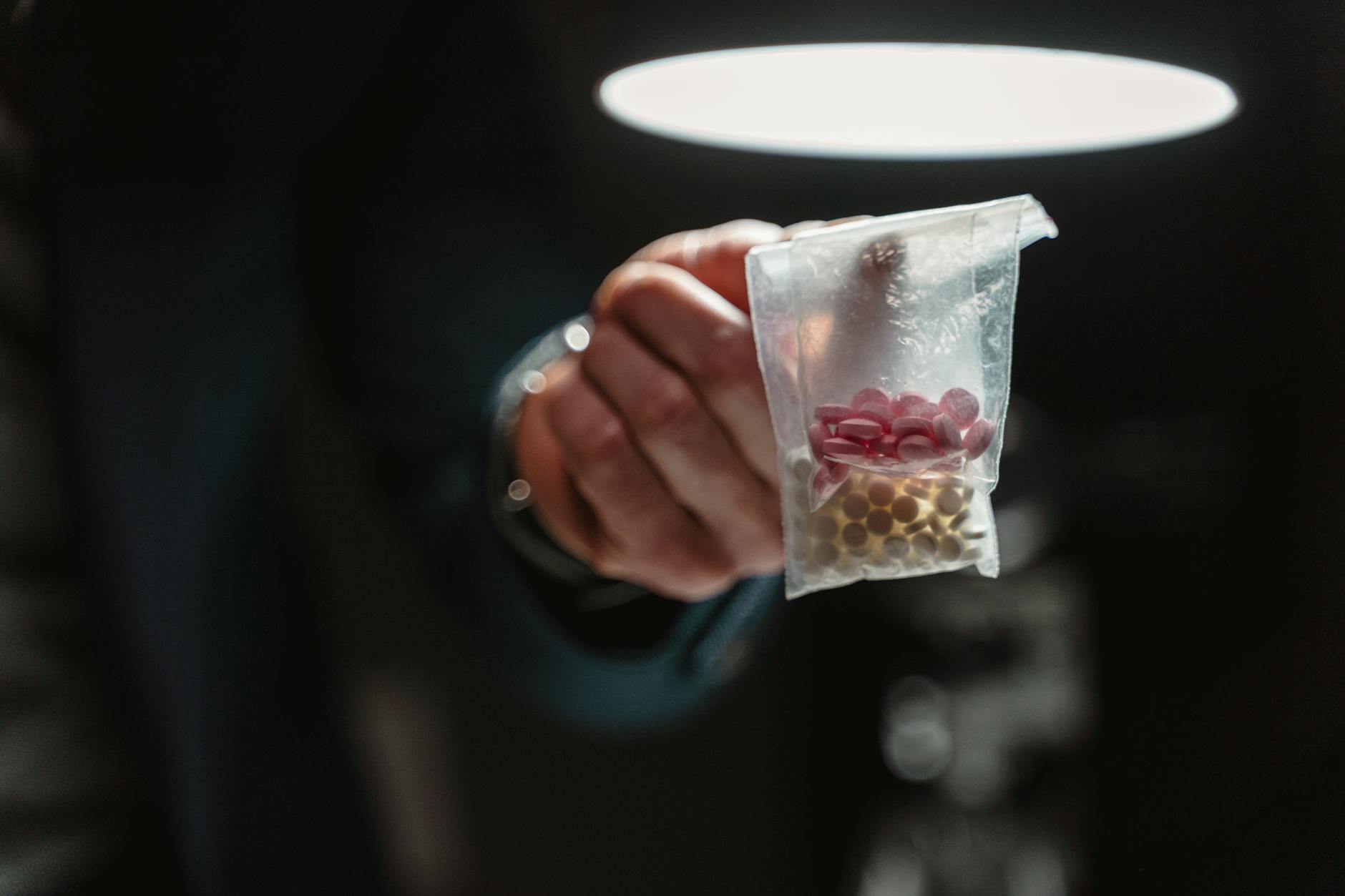
Understanding the Impact of Substance Use on Daily Life
Substance use refers to the consumption of drugs or alcohol in a manner that causes harm or distress. It can lead to serious health problems and negatively impact personal relationships, work, and overall quality of life. Many individuals facing substance use disorders experience significant disruptions in their daily routines and relationships.
Real Stories from Affected Individuals
Many people affected by substance use have shared their experiences, often revealing a common theme: the struggle to regain control over their lives. For instance, one man described how his alcohol use escalated from occasional drinking at social events to daily binge drinking that alienated him from his family and friends. His journey highlights the importance of support and understanding in recovery.
How Substance Use Can Disrupt Routine
Substance use can lead to significant disruptions in daily life. Individuals may find it challenging to maintain jobs, fulfill family responsibilities, or engage in social activities. For example, a woman who started using prescription painkillers for a legitimate injury found herself unable to function without them. Her work performance declined, and she began missing important family events. The consequences extend beyond the individual, affecting loved ones and communities as well.
Breaking Down the Science of Addiction
The Brain’s Reward System
Addiction is rooted in the brain's reward system. When someone uses substances, they often experience feelings of pleasure due to the release of neurotransmitters like dopamine. This reinforces the behavior, making it more likely that they will seek out the substance again. Over time, repeated use can alter brain function, making it harder for individuals to feel pleasure from everyday activities.
Genetic and Environmental Influences
Both genetics and environment play significant roles in addiction. Research indicates that genetic factors can account for about 40-60% of a person's vulnerability to addiction. Environmental influences such as stress, trauma, and peer pressure also contribute significantly. A person with a family history of addiction may be more likely to develop similar problems when exposed to high-risk environments.
How It Works: The Mechanisms of Dependency
Neurotransmitters and Their Role in Addiction
Neurotransmitters are chemicals that transmit signals in the brain. In addiction, substances often hijack these systems by artificially increasing levels of neurotransmitters like dopamine. This manipulation creates a cycle where the brain craves more of the substance to achieve the same pleasurable effects.
The Cycle of Craving and Withdrawal
The cycle of craving and withdrawal is central to understanding addiction. After initial use, cravings can intensify as physical dependence develops. When someone attempts to stop using a substance, they may experience withdrawal symptoms such as anxiety, irritability, or physical pain. This cycle makes quitting difficult and often leads individuals back to use.
Common Misconceptions About Substance Use Disorders
Myth: Addiction is a Choice
One common misconception is that addiction is simply a matter of choice or willpower. In reality, addiction is a complex disease influenced by biological, psychological, and environmental factors. Many individuals struggling with addiction want to stop but find it nearly impossible due to changes in their brain chemistry.
Myth: Only Certain Substances Are Addictive
Another myth is that only certain drugs are addictive. While some substances are indeed more likely to lead to dependence,such as opioids or cocaine,many everyday substances like alcohol or nicotine can also be highly addictive for some individuals.
Recognizing the Signs of Substance Use Issues
Behavioral Indicators to Watch For
Recognizing signs of substance use issues is essential for early intervention. Behavioral indicators include changes in mood or personality, neglecting responsibilities at work or home, withdrawing from social activities, and engaging in risky behaviors while under the influence.
Physical Symptoms That May Arise
Physical symptoms may also indicate substance use problems. These can include unexplained weight loss or gain, changes in sleep patterns, poor hygiene, and frequent health issues such as respiratory problems or infections.
Strategies for Support and Recovery
Effective Treatment Options Available
Treatment options for substance use disorders vary widely but often include therapy (such as cognitive-behavioral therapy), medication-assisted treatment (like methadone for opioid dependence), and support groups (such as Alcoholics Anonymous). Finding an effective treatment plan tailored to an individual’s needs is crucial for recovery.
The Importance of Community and Support Groups
Community support plays a vital role in recovery from addiction. Support groups provide encouragement and understanding among peers facing similar challenges. Sharing experiences helps individuals feel less isolated and more motivated to maintain sobriety.
The Road Ahead: Future Directions in Addiction Research
Innovative Therapies on the Horizon
Research into new therapies continues to evolve. Scientists are exploring various treatment modalities including vaccines against certain drugs and new medications targeting specific neurotransmitter systems.
The Role of Technology in Treatment Approaches
Technology is transforming addiction treatment through telehealth services that increase access to care and mobile apps designed to support recovery efforts. These innovations help bridge gaps in treatment availability and provide ongoing support for those on their recovery journey.
Substance abuse remains a pervasive issue affecting countless lives across society. By understanding its impact on daily routines and recognizing its underlying mechanisms, we can better support those affected by it and foster pathways toward recovery.
Sources
- Addiction and Substance Abuse Health Center
- policies.google.com
- policies.google.com
- blogs.webmd.com
- blogs.webmd.com
- blogs.webmd.com
- blogs.webmd.com
- blogs.webmd.com
- blogs.webmd.com
- doctor.webmd.com
Articles
- Substance Abuse and Addiction Treatment Health Center
- Pill Identifier Tool for Color, Shape, Imprint, or Image Searches
- Supportive Mental Health Resources for the LGBTQIA+ Community
- Comprehensive Guide to Understanding and Treating Acne Conditions
- Vistaril (Hydroxyzine Pamoate) for Anxiety: Uses, Side Effects, Dosage
- Understanding Vivid Dreams: Causes and How to Manage Them
Days
Why do you keep falling for the same type?
Read the article Lovemaps: the hidden blueprint of our love.
Did you not find what you were looking for? Let me help you find more.
