

Formation and Evolution of the Solar System Over 4.6 Billion Years
Explore the 4.6 billion-year journey of the Solar System’s formation and evolution, from cosmic dust to planets and ongoing discoveries.
Explore the 4.6 billion-year journey of the Solar System’s formation and evolution, from cosmic dust to planets and ongoing discoveries.

Discover Neptune, the eighth planet from the Sun, its unique features, atmospheric dynamics, and its role in understanding planetary science and the search for life.

Explore the Apollo Program’s impact on lunar science, astronaut experiences, and its legacy inspiring future missions like NASA’s Artemis program.
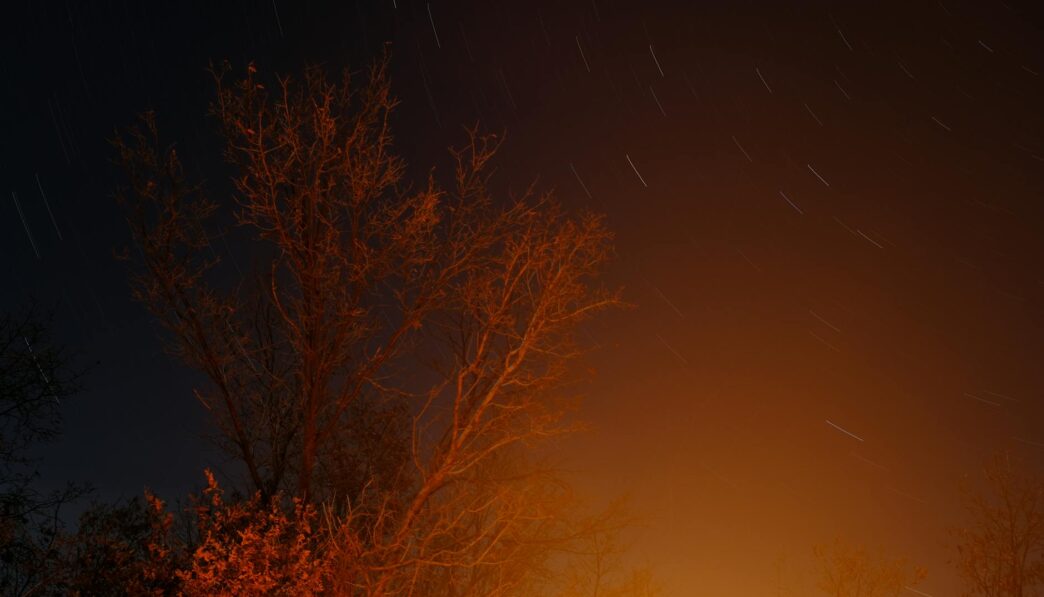
Explore how perturbation affects celestial orbits, causing deviations from perfect circles due to gravitational and non-gravitational forces in astronomy.
Explore the universe’s structure, age, and composition, from the Big Bang to dark matter and future cosmology discoveries. Understand cosmic evolution and common myths.
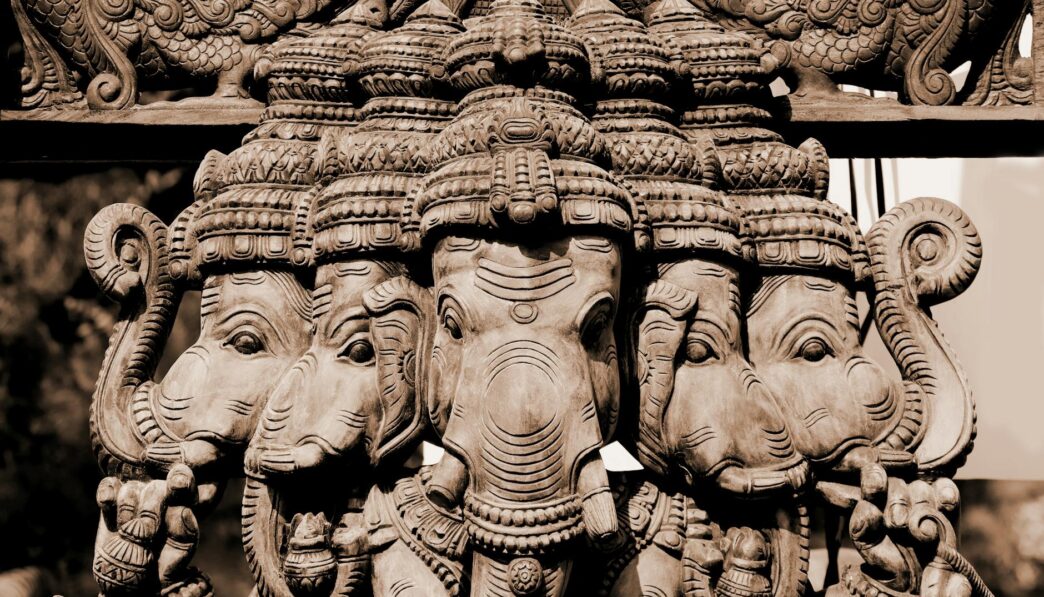
Explore the rich history and culture of ancient India, from prehistoric times to the Gupta Empire, highlighting key innovations and social life.

Scigender is a unique gender identity connected to science, encompassing subcategories like technogender and astrogender, reflecting personal ties to scientific concepts.

Explore the nebular hypothesis and how it explains the formation and evolution of our Solar System and other planetary systems in the universe.
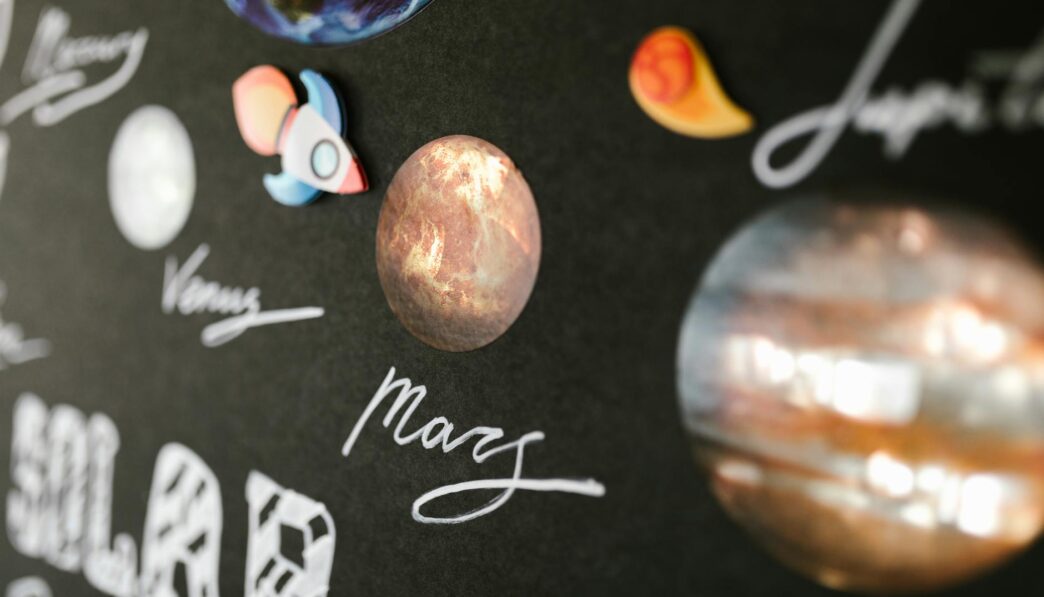
Explore the 4.6 billion-year formation and evolution of the solar system, from the solar nebula to planetary development and cosmic discoveries.
Sciencegender is a gender identity linked to scientific concepts, allowing individuals to express themselves through science-inspired themes and symbols.

Explore the leading theories on the Moon’s formation, its unique features, and the scientific insights that reveal its origin and significance to Earth.

Discover the Moon’s vital role as Earth’s natural satellite, influencing tides, climate, and inspiring science and culture throughout history.