

Kenorland: A Hypothetical Supercontinent from the Neoarchaean Era
Explore Kenorland, a hypothetical Neoarchaean supercontinent formed 2.72 billion years ago, and its impact on Earth’s geological history and tectonic activity.
Explore Kenorland, a hypothetical Neoarchaean supercontinent formed 2.72 billion years ago, and its impact on Earth’s geological history and tectonic activity.

Explore Indonesia’s rich culture, diverse landscapes, and unique traditions across its 17,000 islands, from bustling cities to serene beaches.

Discover hydrothermal vents, underwater fissures emitting superheated mineral-rich water that support unique ecosystems and reveal deep-sea secrets.
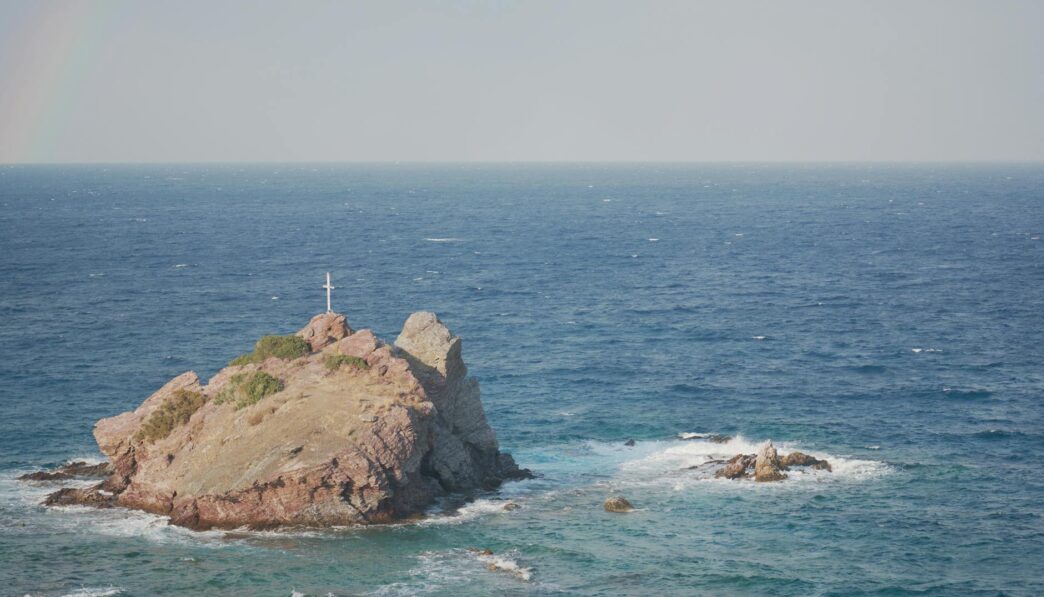
Explore the origins of Earth’s water and its vital role in ecosystems, human survival, and the water cycle that sustains life on our planet.

Explore vertebrates, animals with backbones and skulls, including mammals, birds, reptiles, amphibians, and fish, and their vital roles in ecosystems and human life.

Explore the Snowball Earth hypothesis, detailing global glaciation events during the Proterozoic Eon and their impact on Earth’s climate and life.

Discover the Ethiopian Highlands, Africa’s highest mountain range, known for its unique ecosystems, rich biodiversity, and cultural heritage.

Explore how mass extinction events have shaped Earth’s biodiversity and why preserving species is vital for ecosystem balance and human survival.
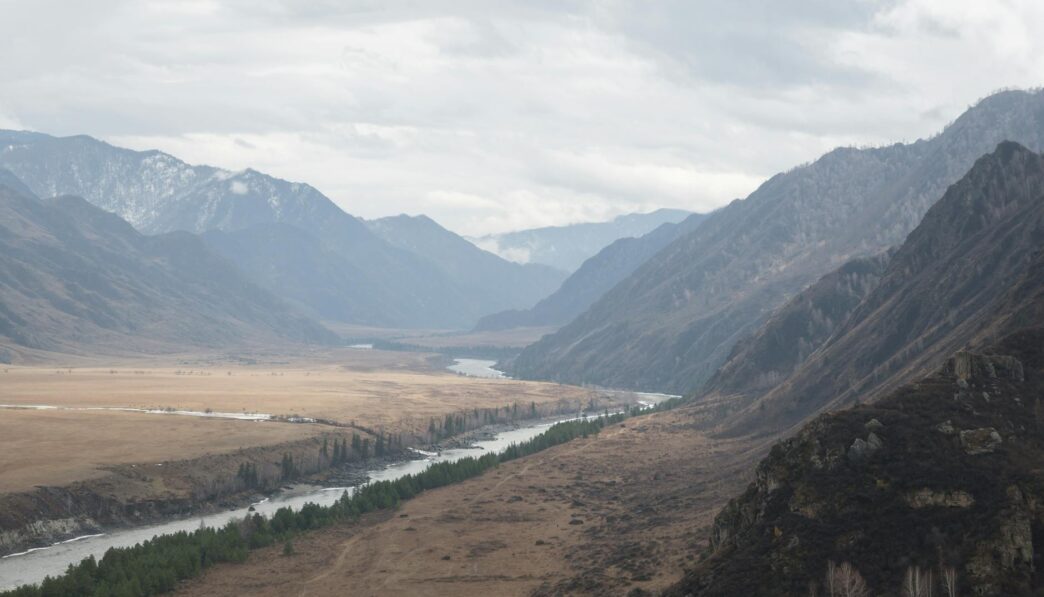
Explore Siberia, a vast region in North Asia known for its diverse landscapes, rich natural resources, and unique cultural heritage amid extreme climates.

Explore the Last Glacial Period, its major ice age events, climate impact, and lessons for biodiversity and future climate change adaptation.

Explore the Paleozoic Era, Earth’s first major geological period, highlighting key evolutionary milestones and mass extinction events shaping life today.

Discover Earth’s unique position as the third planet from the Sun and explore its key characteristics that sustain life and shape our environment.

Explore the biological processes and diverse life forms on Earth, uncovering how organisms grow, adapt, and interact within ecosystems.

The Andes Mountains span seven South American countries, offering unique ecosystems, rich culture, and diverse outdoor activities like hiking and skiing.

Explore Canada’s vast landscapes, diverse cultures, and key features that make it a unique North American country with rich ecosystems and vibrant communities.

Explore the concept of taxon and its role in classifying biological populations, helping us understand biodiversity, medicine, and conservation.
Explore Rodinia, the ancient Neoproterozoic supercontinent, its formation, breakup, and impact on Earth’s geological history and climate evolution.

Explore Ur, a hypothetical Archean supercontinent from 3.1 billion years ago, revealing early Earth structure and geological evolution insights.

Mid-ocean ridges are underwater mountain systems where new oceanic crust forms, influencing Earth’s geology, ocean dynamics, and unique marine ecosystems.
Explore Laurasia, the northern landmass of ancient Pangaea, and its crucial role in shaping Earth’s geology, climate, and biodiversity over millions of years.