
Vavilov Centers: Geographic Origins of Domesticated Plants
Discover the geographic origins of domesticated plants and how Vavilov centers reveal the history and genetic diversity behind our food crops.
Discover the geographic origins of domesticated plants and how Vavilov centers reveal the history and genetic diversity behind our food crops.

Explore the rich history of American Samoa from its early Polynesian settlers to its modern status as a U.S. territory, highlighting cultural and political changes.

Explore the causes behind the Late Pleistocene extinctions of large mammals like the woolly mammoth, focusing on human impact and climate change.

Explore Gondwana, the ancient supercontinent that shaped today’s continents and biodiversity, influencing climate and cultures worldwide.

Explore how evolution shapes heritable traits across generations and its impact on medicine, agriculture, and conservation in everyday life.

Explore the causes and impact of Neanderthal extinction on human evolution, revealing insights into ancient species survival and adaptation.
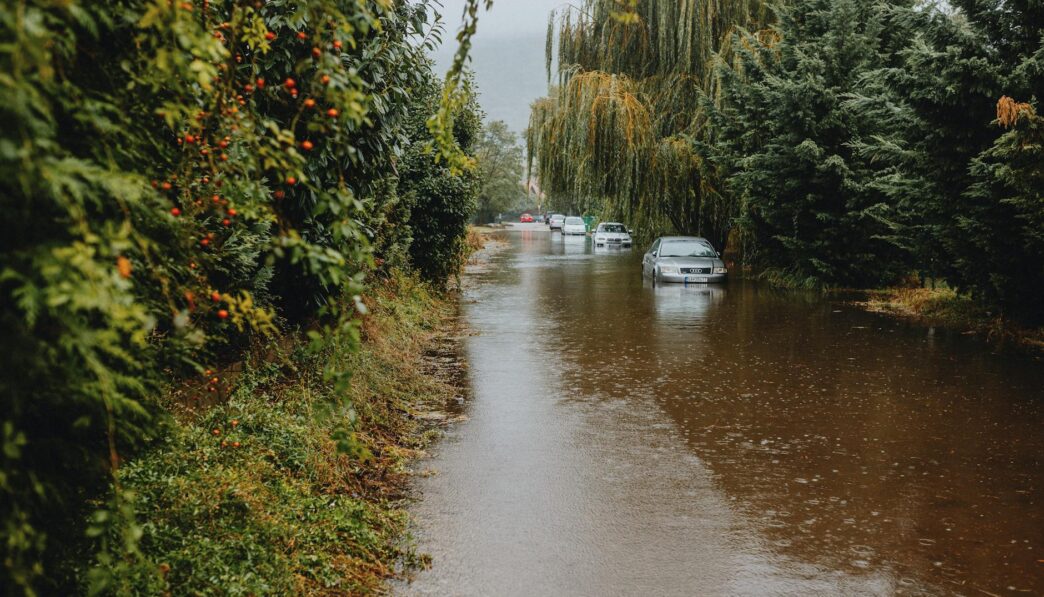
Explore the causes and effects of environmental degradation on nature, biodiversity, water resources, and communities, highlighting urgent global challenges.
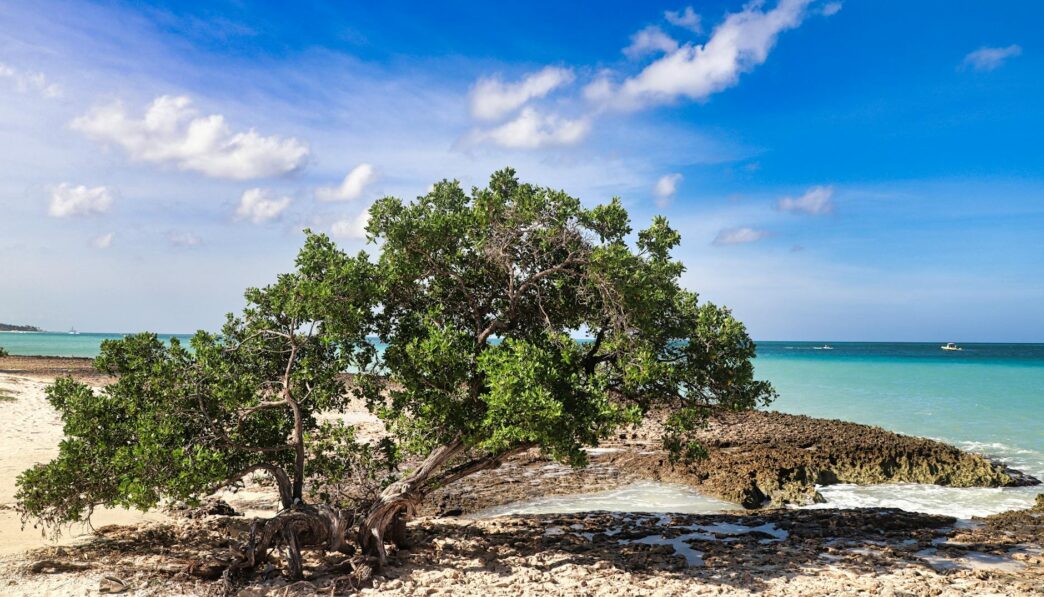
Discover Aruba, a Dutch Caribbean island known for stunning beaches, vibrant culture, unique wildlife, and rich history. Explore its ecosystem and local traditions.

Explore Western Australia, Australia’s largest state, known for its diverse climates, rich Indigenous culture, stunning natural attractions, and thriving mining economy.
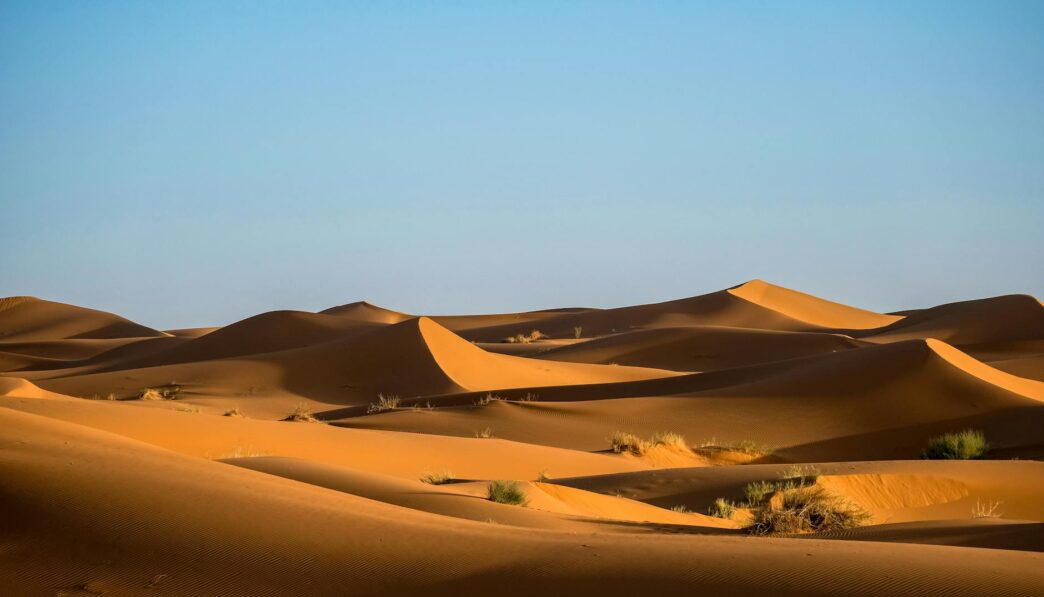
Explore the Sahara Desert, the largest hot desert in North Africa, its unique ecosystems, extreme climate, and global impact on weather and biodiversity.

The Yellow River is a vital water source in northern China, supporting millions and shaping culture and economy despite challenges like flooding and water scarcity.

Explore the Cenozoic Era, Earth’s current geological period marked by mammal dominance and major climate changes shaping today’s ecosystems.

Explore the key features and geological significance of oceanic trenches, the deepest parts of our oceans vital to Earth’s ecosystems and plate tectonics.

Explore how fossils preserve ancient life and reveal Earth’s history through body and trace fossils, fossilization processes, and modern paleontology techniques.

Discover Ascension Island’s geography, history, unique ecosystems, and its role in scientific research and conservation efforts in the South Atlantic Ocean.
Explore the Holocene Epoch, our current geological era marked by climate stability and human progress, shaping the environment and future challenges.

Explore Asia’s rich historical heritage, from ancient civilizations and trade routes to cultural evolution and religious influences shaping societies today.

Explore the domestication of vertebrates and its impact on agriculture, economy, culture, and the science behind taming wild animals over generations.

Explore Antigua and Barbuda’s rich history from Indigenous cultures through European colonization to independence in 1981, shaping its unique identity today.

Explore the Yangtze River, Asia’s longest river, its key features, ecological importance, cultural significance, and the challenges it faces today.