

Kenorland: A Hypothetical Supercontinent from the Neoarchaean Era
Explore Kenorland, a hypothetical Neoarchaean supercontinent formed 2.72 billion years ago, and its impact on Earth’s geological history and tectonic activity.
Explore Kenorland, a hypothetical Neoarchaean supercontinent formed 2.72 billion years ago, and its impact on Earth’s geological history and tectonic activity.

Explore Rodinia, the ancient Neoproterozoic supercontinent, its formation, breakup, and impact on Earth’s geological history and climate evolution.

Explore Ur, a hypothetical Archean supercontinent from 3.1 billion years ago, revealing early Earth structure and geological evolution insights.
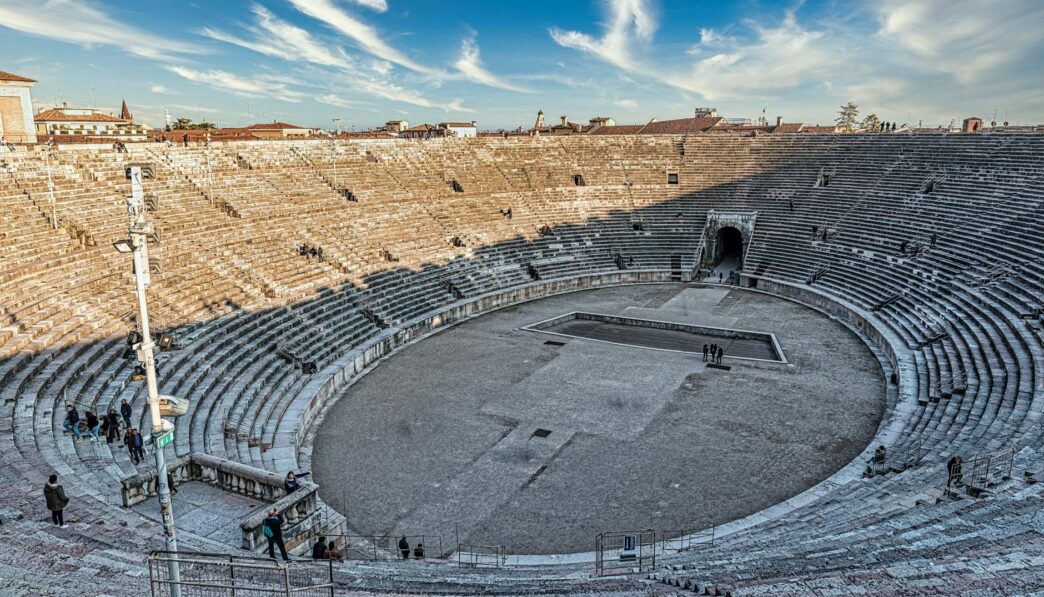
Explore Laurasia, the northern landmass of ancient Pangaea, and its crucial role in shaping Earth’s geology, climate, and biodiversity over millions of years.
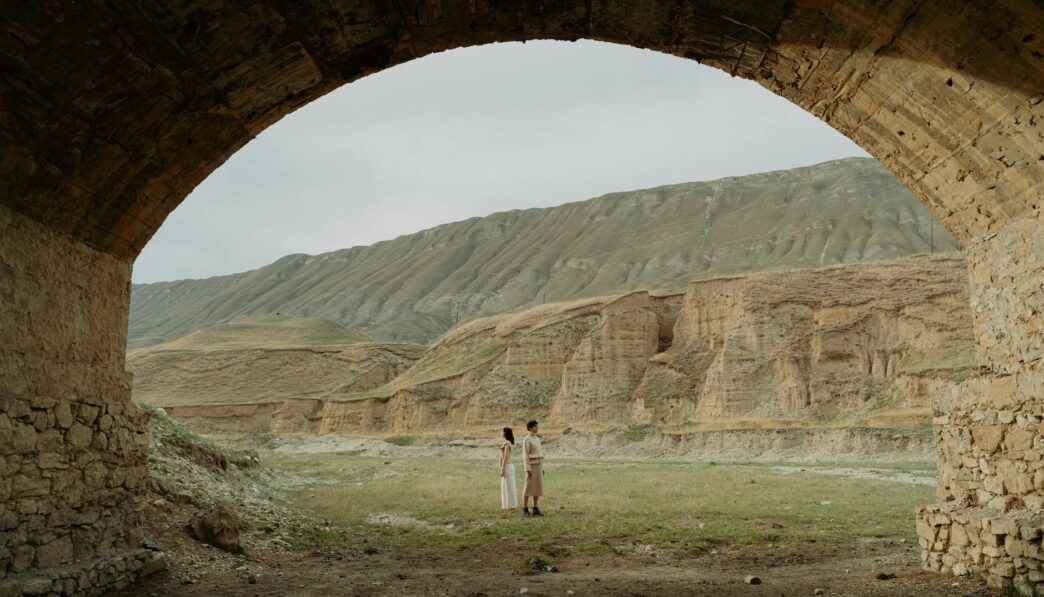
Explore Pangaea, Earth’s ancient supercontinent that shaped continents, climate, and biodiversity through its formation and breakup millions of years ago.

Explore Gondwana, the ancient supercontinent that shaped today’s continents and biodiversity, influencing climate and cultures worldwide.

Explore Columbia, the ancient supercontinent from 1.6 billion years ago, and its role in shaping Earth’s geology, climate, and early life evolution.

Explore Pannotia, a Neoproterozoic supercontinent from 600 million years ago, and learn how its formation shaped Earth’s geology and life evolution.

Explore Vaalbara, Earth’s first hypothetical supercontinent, its geological significance, and how it shaped our planet’s early continental formation and tectonic processes.