

The Iron Catastrophe: A Key Event in Earth’s Early Geological History
The Iron Catastrophe was a crucial early Earth event where iron and nickel formed the core, shaping the planet’s magnetic field and supporting life.
The Iron Catastrophe was a crucial early Earth event where iron and nickel formed the core, shaping the planet’s magnetic field and supporting life.

Explore Earth’s internal structure, its layers, and composition, and learn how this knowledge helps predict natural disasters and manage resources.

Explore the origins of Earth’s water and its vital role in ecosystems, human survival, and the water cycle that sustains life on our planet.

Discover how solar wind, a stream of charged particles from the Sun, impacts Earth’s atmosphere, technology, and space weather phenomena like auroras.

Aakuluujjusi originates from Inuit mythology, which is rich in stories about the creation of the world and natural phenomena, reflecting the environment of the Arctic.

Explore the ancient planet Theia, believed to have collided with Earth 4.5 billion years ago, shaping our planet and forming the Moon.
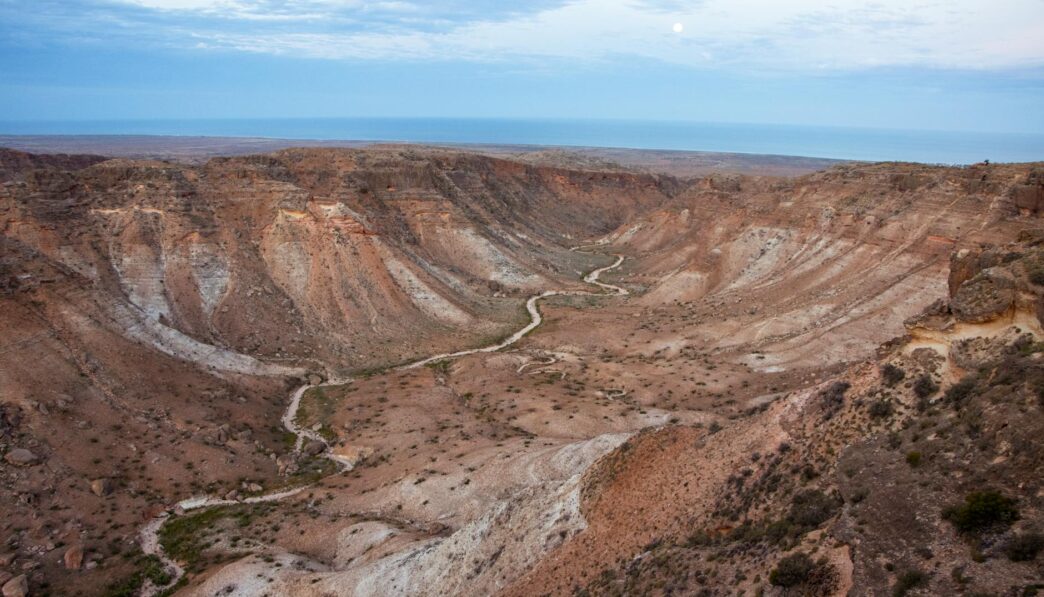
Explore the giant-impact hypothesis explaining how the Moon formed from a colossal collision between Earth and a Mars-sized body named Theia 4.5 billion years ago.

Explore the Hadean Eon, Earth’s earliest geological period from 4567 to 4031 million years ago, revealing the planet’s formation and early processes.

Explore the formation and development of Early Earth during its first billion years, revealing the origins of life and planetary evolution.

Discover Earth’s unique position as the third planet from the Sun and explore its key characteristics that sustain life and shape our environment.

Explore the Goldschmidt classification of chemical elements and its vital role in geochemistry, mining, and environmental science.

Explore how Earth’s temperature increases with depth, the geothermal gradient, its causes, and its impact on energy and geology.
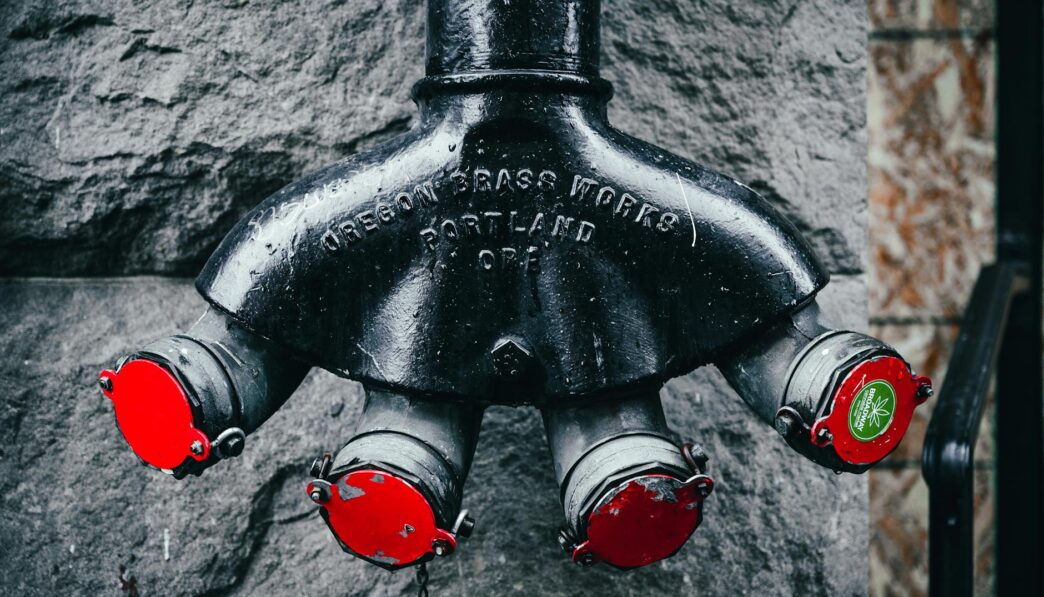
Explore the Goldschmidt classification, a system grouping elements by their chemical affinities to understand Earth’s composition and mineral behavior.
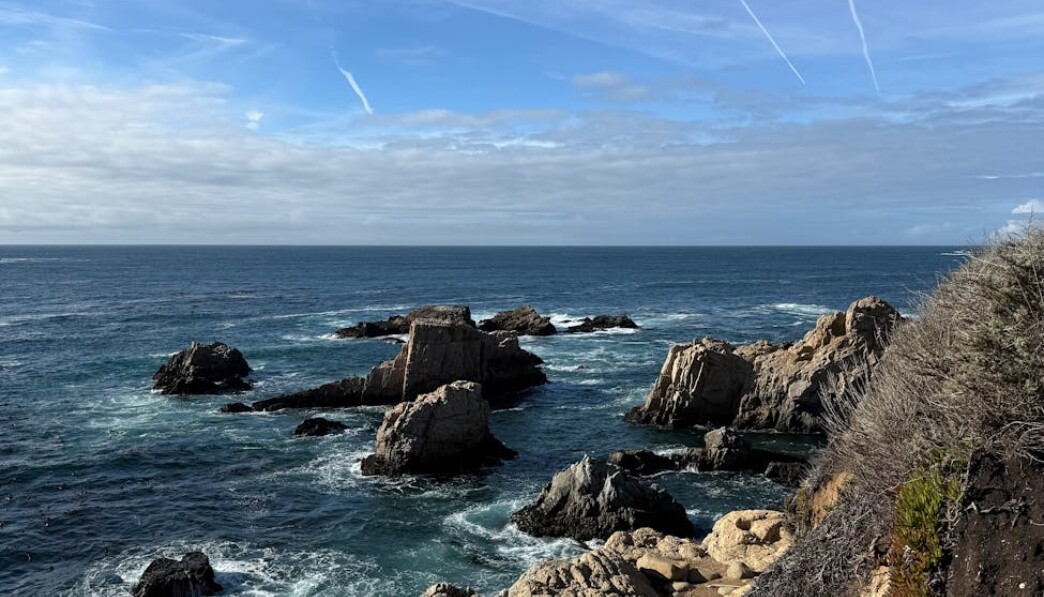
Explore the Hadean Eon, Earth’s earliest geological period marked by extreme conditions and the formation of the planet’s crust and atmosphere.

Discover ochre, a natural earth pigment with unique color variations used in art, industry, and culture, valued for its earthy tones and versatility.
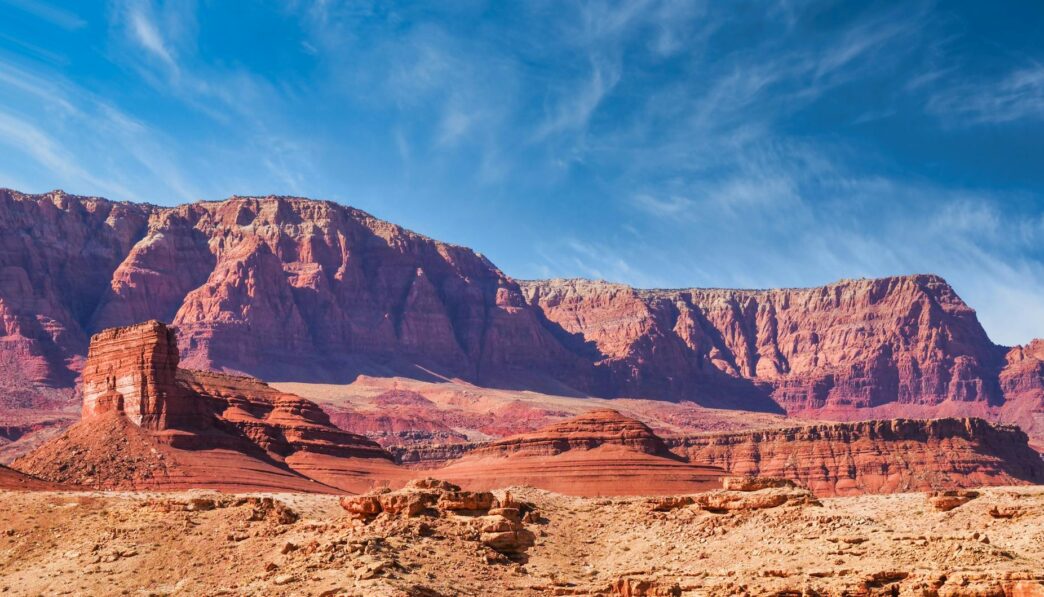
Cratons are ancient, stable parts of Earth’s continental lithosphere, offering insights into geological history and natural resources across continents.
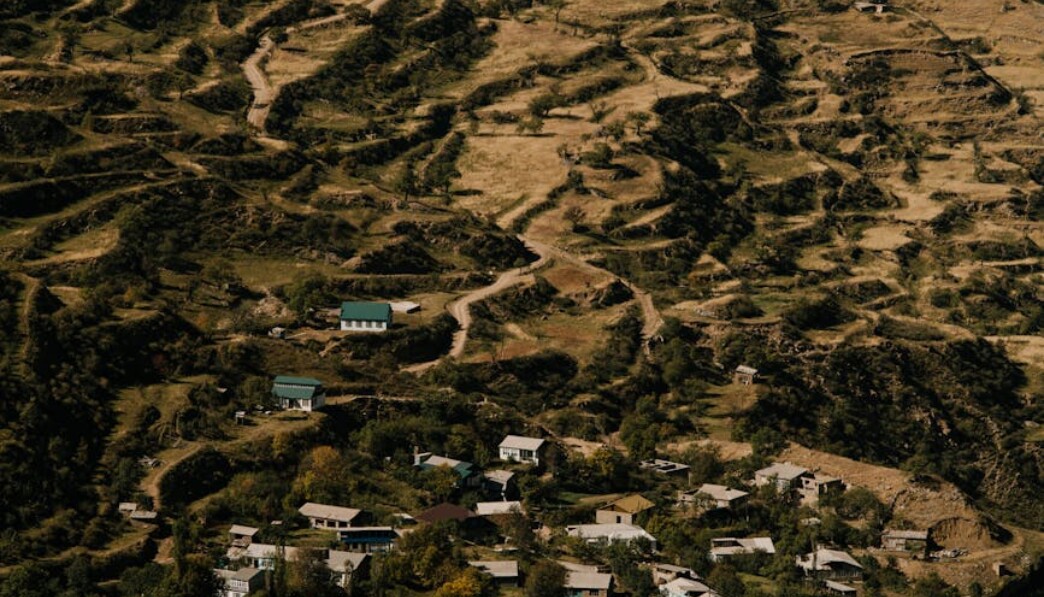
Explore Earth’s geological and biological history, from its formation to the rise of life and future challenges shaping our planet.
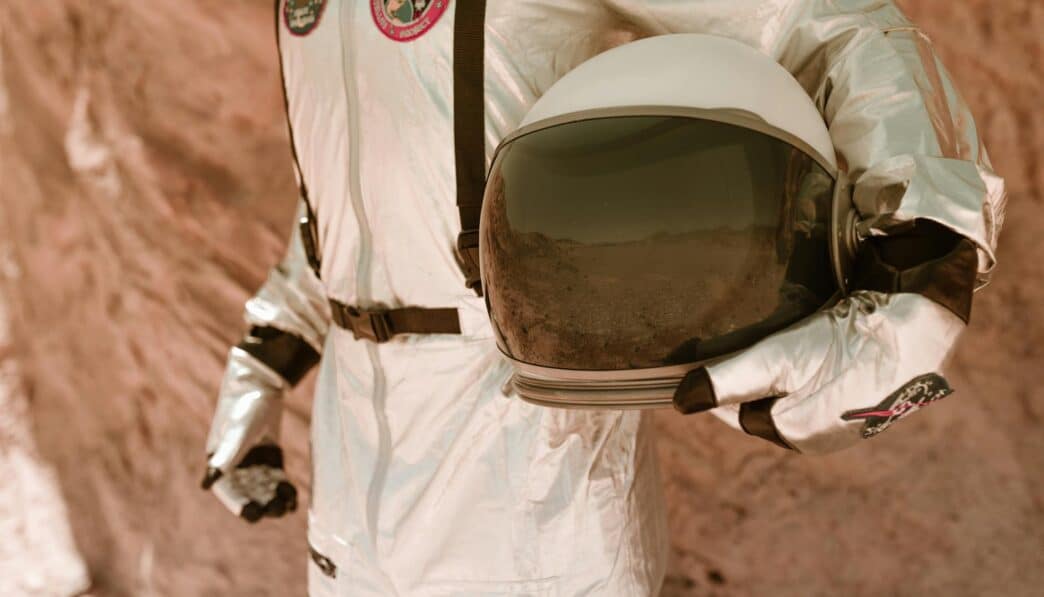
Explore the giant-impact hypothesis explaining how the Moon formed from a massive collision between Earth and a Mars-sized body called Theia billions of years ago.
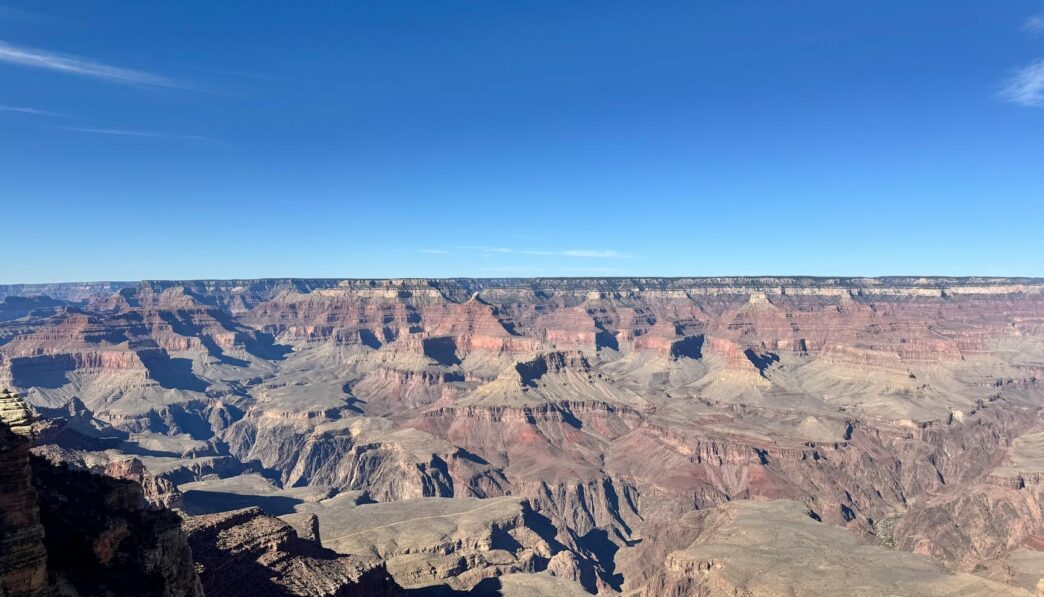
Explore Earth’s geological history, key events, and timeline to understand our planet’s evolution and its impact on climate and life.

Explore how metamorphism transforms rocks without melting, reshaping Earth’s geology through heat, pressure, and fluids to create unique metamorphic rocks.