

Kenorland: A Hypothetical Supercontinent from the Neoarchaean Era
Explore Kenorland, a hypothetical Neoarchaean supercontinent formed 2.72 billion years ago, and its impact on Earth’s geological history and tectonic activity.
Explore Kenorland, a hypothetical Neoarchaean supercontinent formed 2.72 billion years ago, and its impact on Earth’s geological history and tectonic activity.

Explore radiometric dating methods used to determine the age of rocks and fossils, revealing Earth’s history and aiding multiple scientific fields.

Explore the Snowball Earth hypothesis, detailing global glaciation events during the Proterozoic Eon and their impact on Earth’s climate and life.

Explore greenstone belts, ancient metamorphosed rock zones in cratons rich in geological history and valuable mineral deposits.
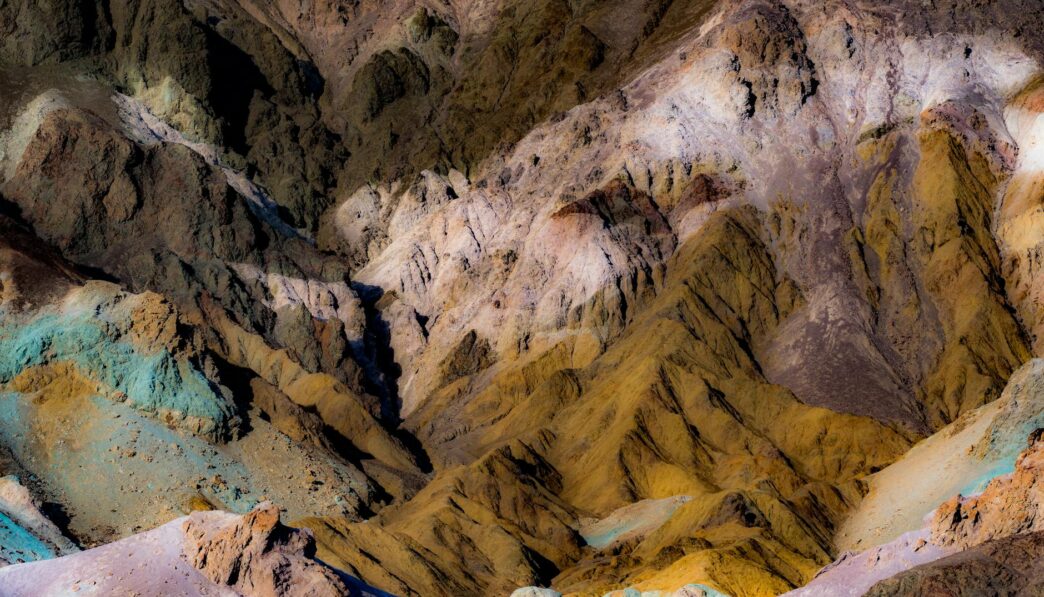
Explore the Archean Eon, a key geological era from 4031 to 2500 million years ago, marking Earth’s early crust formation and emergence of primitive life.
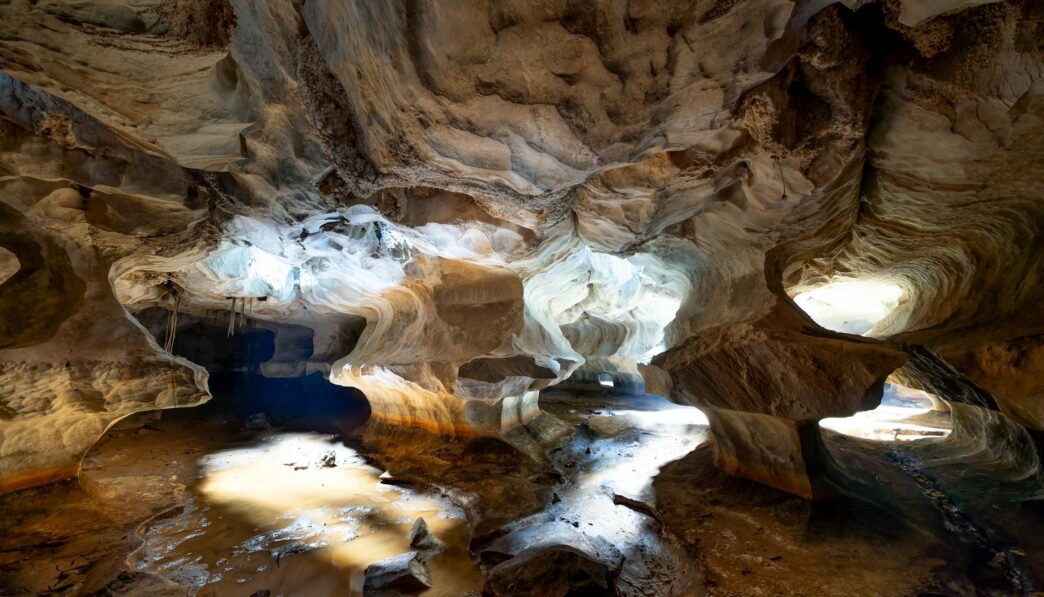
Explore Earth’s history through the geologic time scale, revealing how rock layers and fossils tell the story of life and geological events over billions of years.

Explore the Eoarchean Era, Earth’s first Archean period, revealing early crust formation and the origins of life about 4 billion years ago.
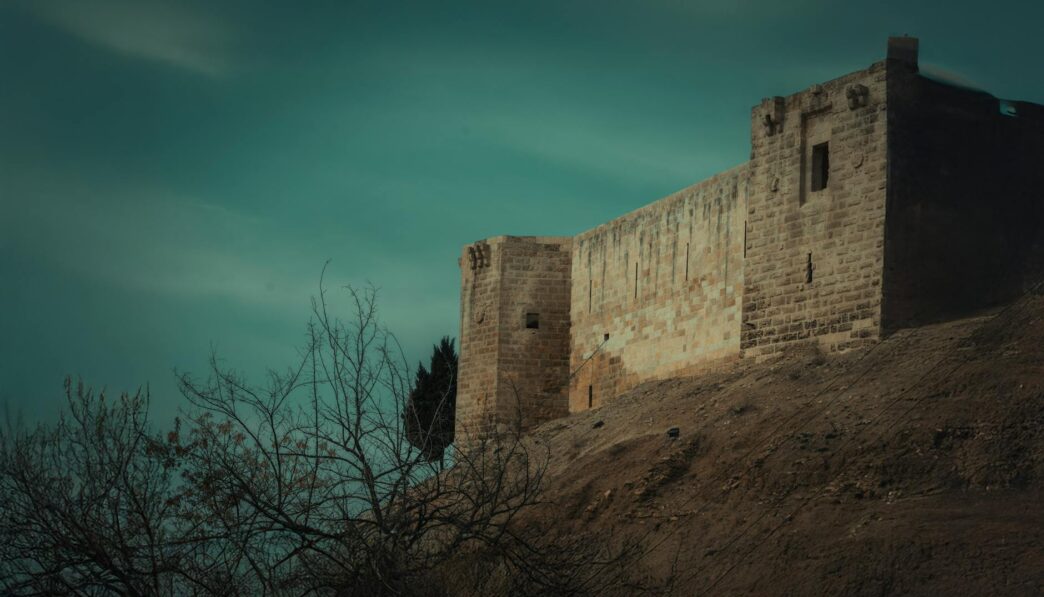
Explore Rodinia, the ancient Neoproterozoic supercontinent, its formation, breakup, and impact on Earth’s geological history and climate evolution.

Explore the oldest dated rocks on Earth and uncover insights into our planet’s 4 billion-year history, including early conditions and formation processes.
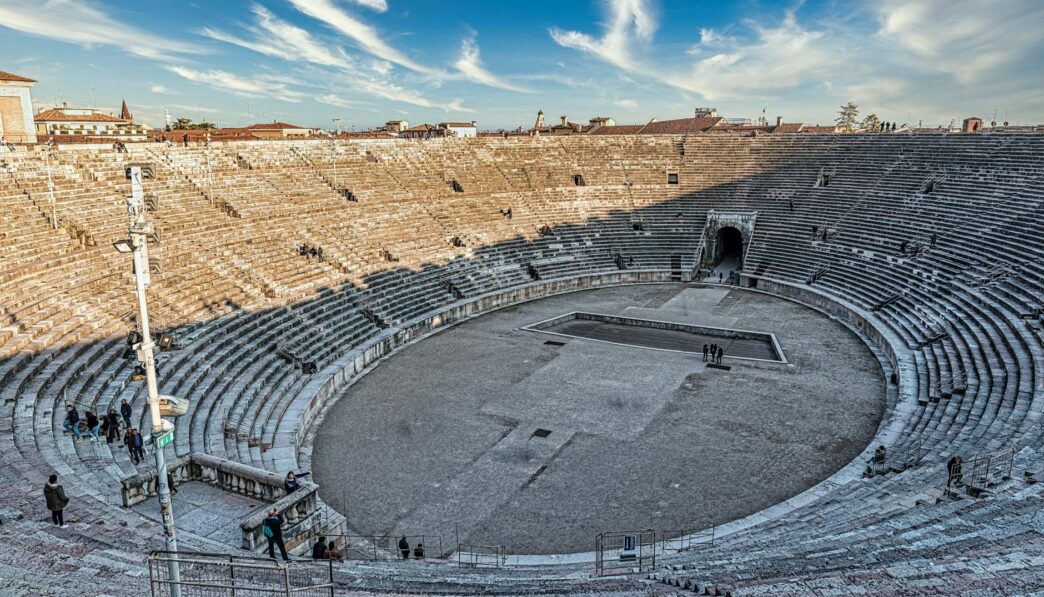
Explore Laurasia, the northern landmass of ancient Pangaea, and its crucial role in shaping Earth’s geology, climate, and biodiversity over millions of years.

Explore Laurentia, the ancient geological core of North America, its formation, key features, and impact on Earth’s geological and biological history.
Explore Pangaea, Earth’s ancient supercontinent that shaped continents, climate, and biodiversity through its formation and breakup millions of years ago.
Explore the Phanerozoic Eon, Earth’s dynamic geological history from 538 million years ago to today, highlighting major eras, life evolution, and geological processes.

Explore Columbia, the ancient supercontinent from 1.6 billion years ago, and its role in shaping Earth’s geology, climate, and early life evolution.
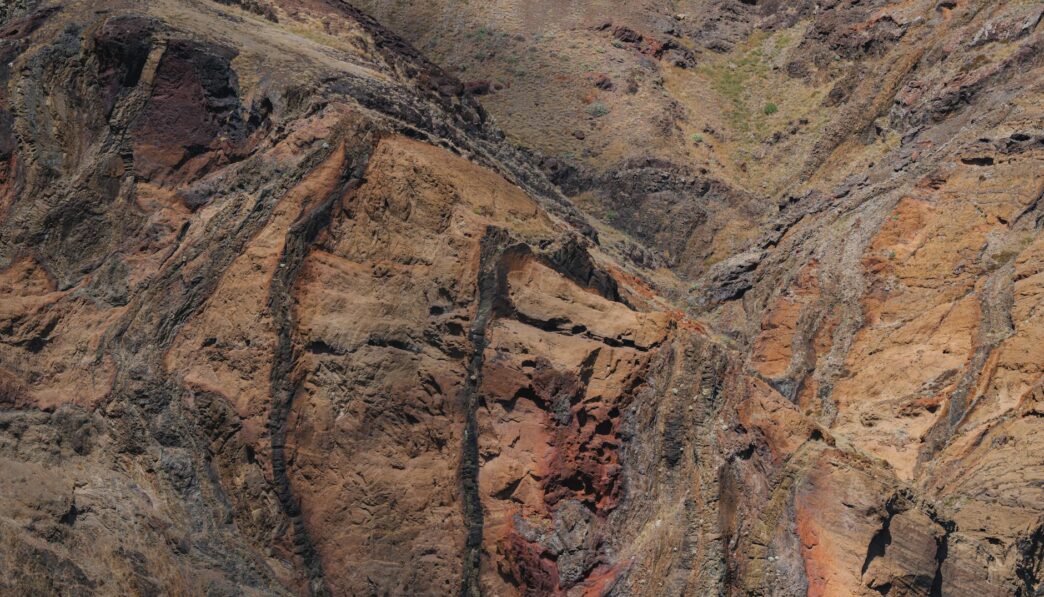
Explore how stratigraphy reveals Earth’s history through rock layers, fossils, and geological processes, impacting fields from resource management to environmental science.

Explore how geochronology reveals the age of rocks, fossils, and sediments to uncover Earth’s history and evolution over millions of years.

Explore Pannotia, a Neoproterozoic supercontinent from 600 million years ago, and learn how its formation shaped Earth’s geology and life evolution.

Explore the Proterozoic Eon, Earth’s longest geologic era from 2.5 billion to 539 million years ago, marked by oxygen rise and early multicellular life.

Explore Vaalbara, Earth’s first hypothetical supercontinent, its geological significance, and how it shaped our planet’s early continental formation and tectonic processes.
Explore the geologic time scale and Earth’s history, from ancient eons to human impact, revealing how geology shapes our world and future research.