

Internal Structure of Earth: Layers and Composition Explained
Explore Earth’s internal structure, its layers, and composition, and learn how this knowledge helps predict natural disasters and manage resources.
Explore Earth’s internal structure, its layers, and composition, and learn how this knowledge helps predict natural disasters and manage resources.
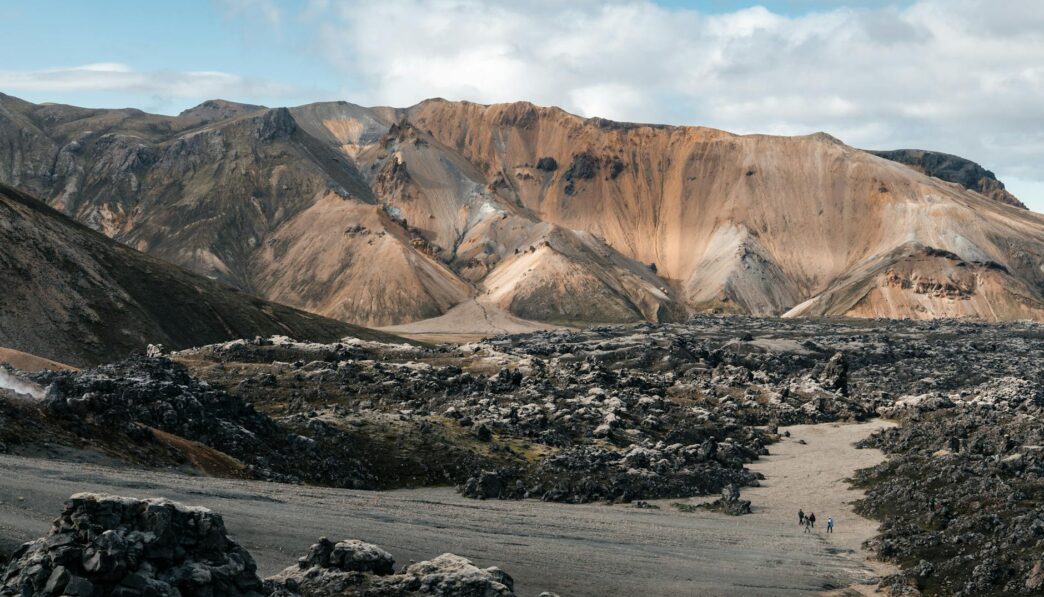
Explore how plate tectonics shape Earth’s surface, causing earthquakes, volcanic eruptions, and mountain formation through the movement of lithospheric plates.
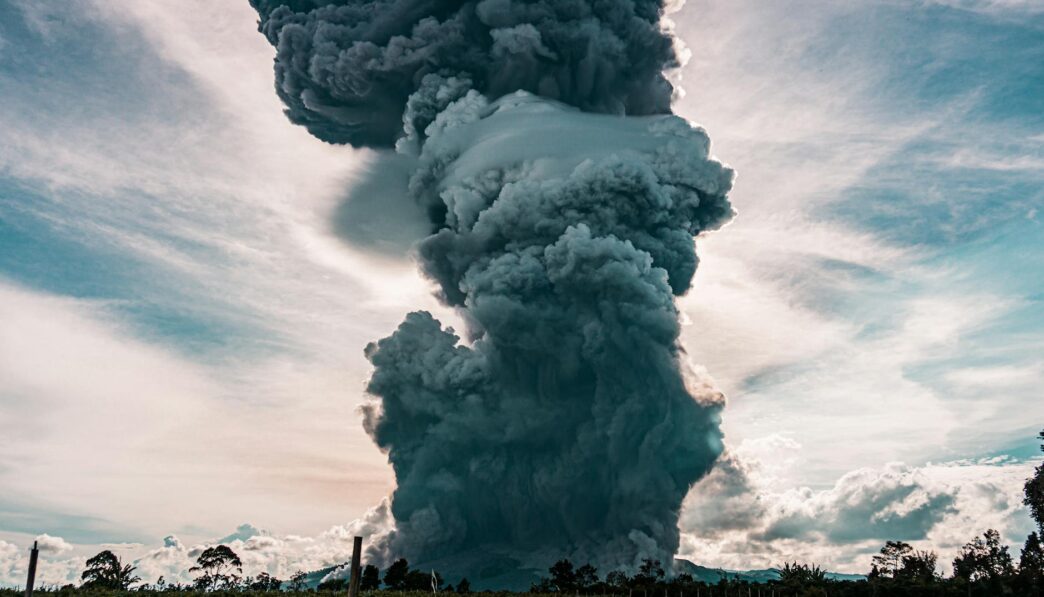
Explore the fundamentals of plate tectonics and the Earth’s lithosphere movement, understanding their impact on natural events and our planet’s future.
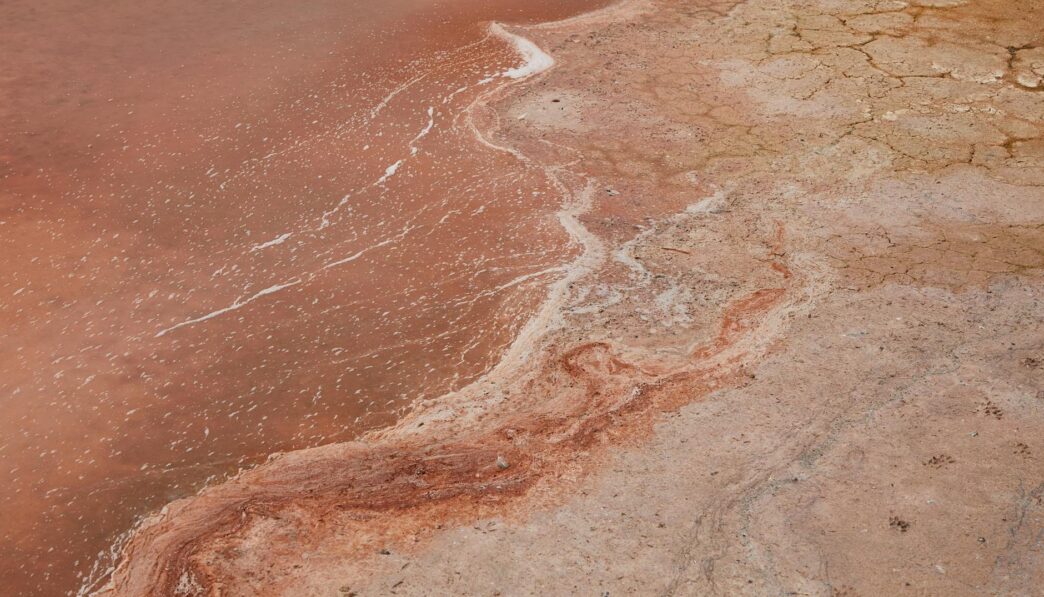
Discover how terranes, crust fragments moved by tectonic plates, reveal Earth’s history and impact natural hazard prediction and resource management.

Mid-ocean ridges are underwater mountain systems where new oceanic crust forms, influencing Earth’s geology, ocean dynamics, and unique marine ecosystems.

Explore the nature of shock waves, their formation, types, and impact in fields like aviation, medicine, and astrophysics. Understand their role in everyday phenomena and science.

Explore how mantle convection drives Earth’s tectonic movements and influences geological events like earthquakes and volcanic eruptions shaping our planet.

Discover the Earth’s mantle, the thick layer between the core and crust that drives tectonic activity, volcanic eruptions, and influences climate.

Explore the key features and geological significance of oceanic trenches, the deepest parts of our oceans vital to Earth’s ecosystems and plate tectonics.

Explore Earth’s outer core, a vital fluid layer between the inner core and mantle that generates the magnetic field protecting our planet.