

Mass Extinction Events and Their Impact on Earth’s Biodiversity
Explore how mass extinction events have shaped Earth’s biodiversity and why preserving species is vital for ecosystem balance and human survival.
Explore how mass extinction events have shaped Earth’s biodiversity and why preserving species is vital for ecosystem balance and human survival.

Explore the rich prehistory of Australia, tracing human habitation from 65,000 years ago to 1788 and the enduring legacy of Aboriginal cultures.

Explore the concept of taxon and its role in classifying biological populations, helping us understand biodiversity, medicine, and conservation.
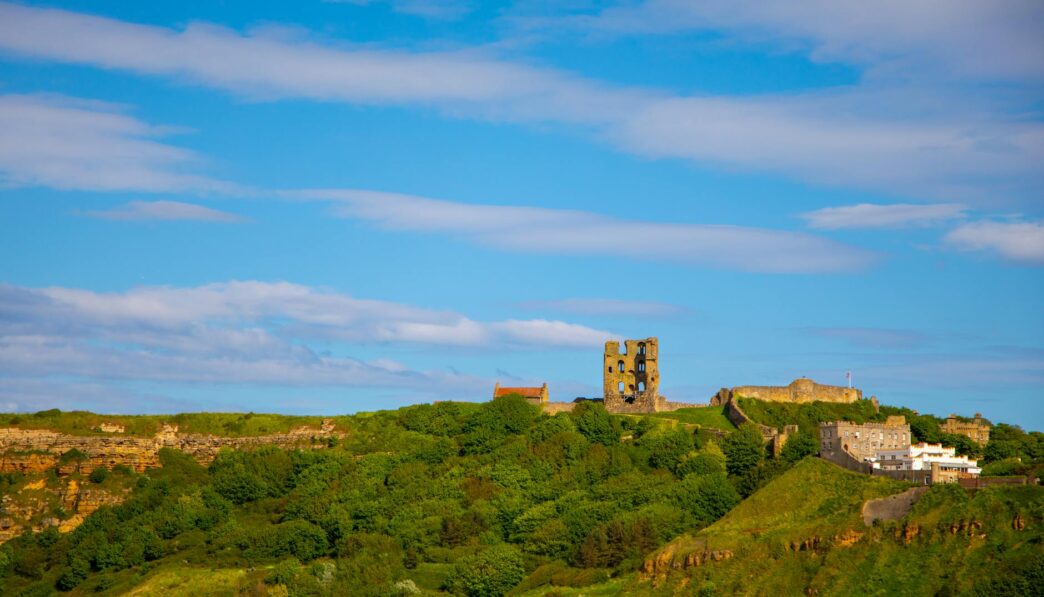
Explore North America’s history from its Indigenous roots to European exploration, highlighting cultural diversity and ecological adaptation across centuries.

Explore the Cambrian Explosion, a pivotal event in animal evolution that led to diverse species and complex ecosystems through innovative adaptations.

Discover the origin and vital role of biotic material in nature, from soil nutrients to ecosystem balance and sustainable uses.

Explore the causes behind the Late Pleistocene extinctions of large mammals like the woolly mammoth, focusing on human impact and climate change.

Explore how evolution shapes heritable traits across generations and its impact on medicine, agriculture, and conservation in everyday life.

Explore the origins, types, and vital roles of biogenic substances in nature and industry, highlighting their ecological and practical importance.

Explore the concept of multicellular organisms, their characteristics, and examples from plants and animals that illustrate the complexity of life.

Prokaryotes are unicellular organisms without membrane-bound nuclei, vital in ecosystems, medicine, and biotechnology with unique structures and functions.
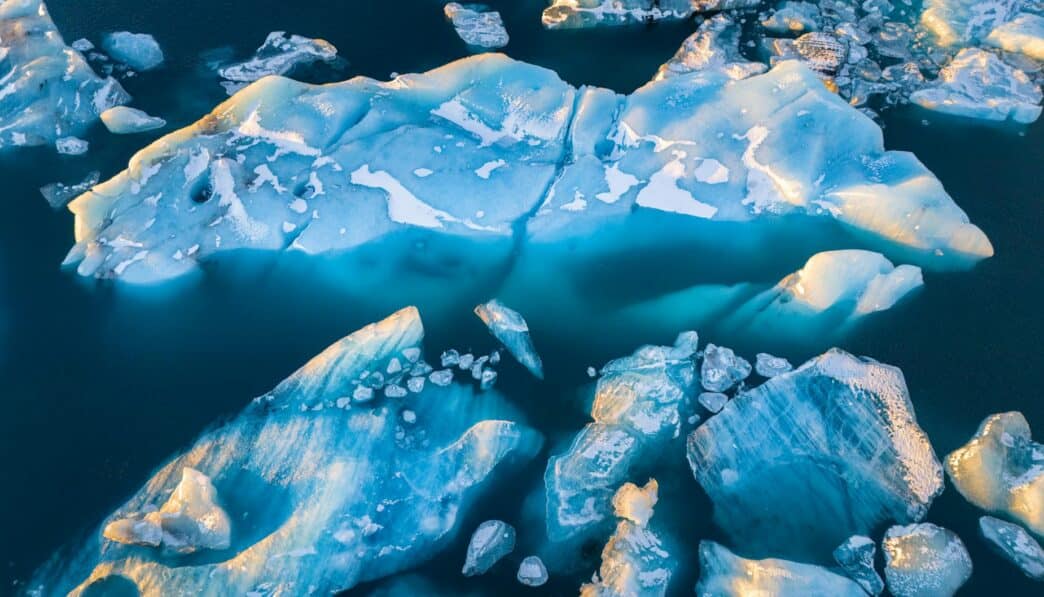
Explore the Last Glacial Period from 115,000 to 12,000 years ago, its climate shifts, ice sheets, and lasting impact on Earth’s environment and species.