

Understanding the Crust: The Outer Solid Layer of Planets
Explore the vital role of planetary crusts, from Earth’s minerals to tectonic activity and their impact on life, environment, and planetary evolution.
Explore the vital role of planetary crusts, from Earth’s minerals to tectonic activity and their impact on life, environment, and planetary evolution.
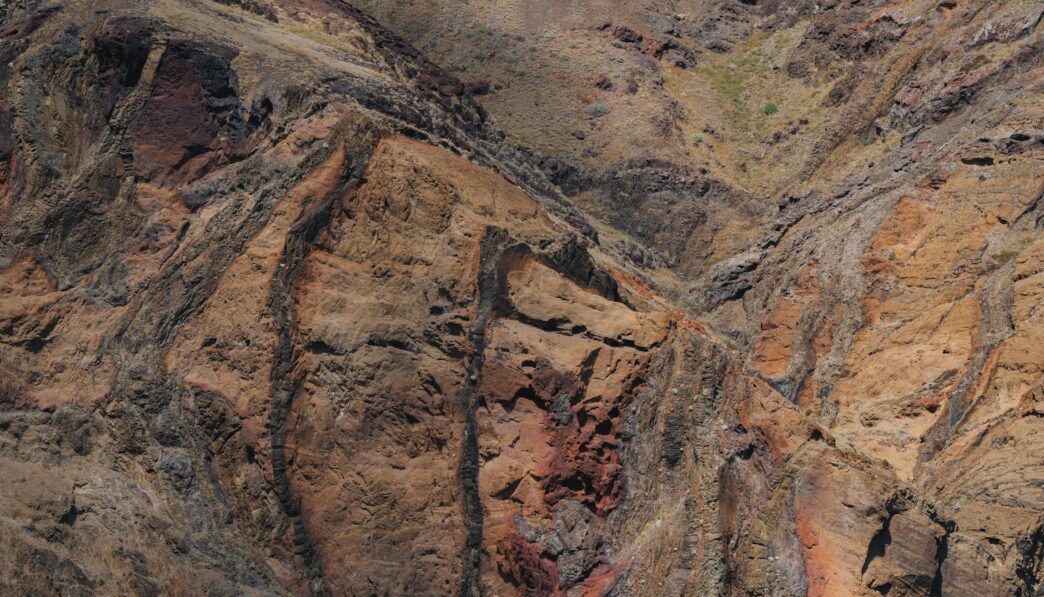
Discover the importance, formation, types, and uses of sandstone, a durable clastic sedimentary rock vital in construction, art, and energy sectors.

Crater counting estimates planetary surface age by analyzing impact craters, revealing geological history and activity on bodies like the Moon and Mars.

Detritus in geology refers to rock particles formed by weathering and erosion that shape landscapes and ecosystems through transport and deposition.
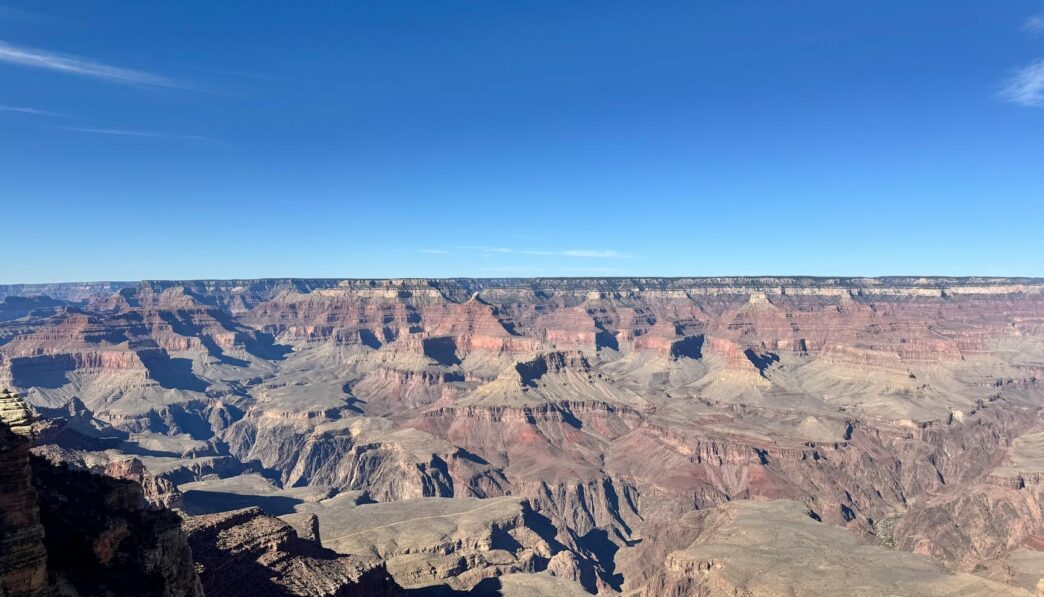
Explore Earth’s geological history, key events, and timeline to understand our planet’s evolution and its impact on climate and life.
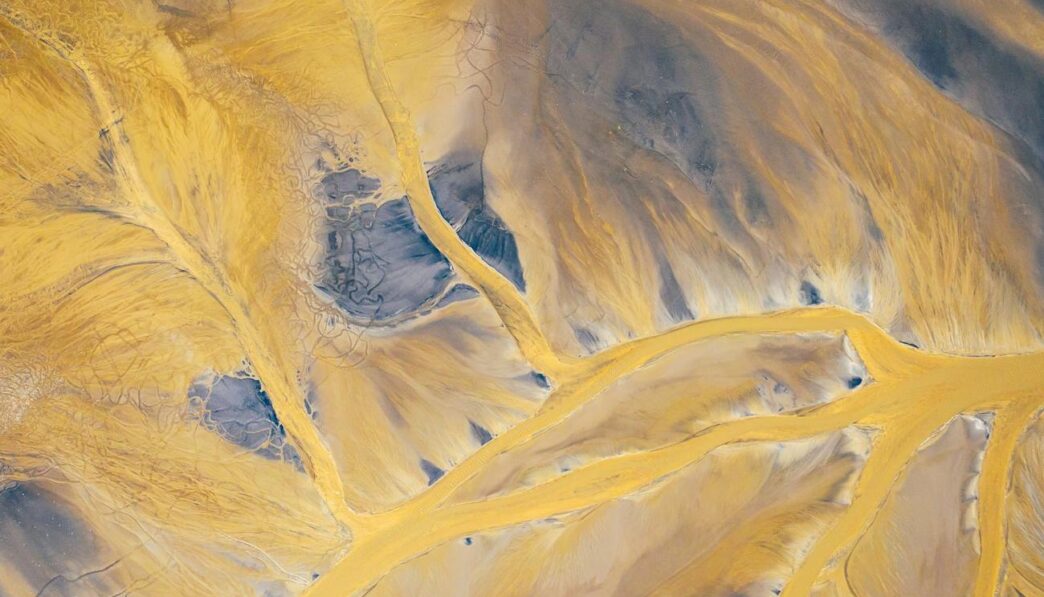
Explore the Phanerozoic Eon, Earth’s dynamic geological history from 538 million years ago to today, highlighting major eras, life evolution, and geological processes.

Explore Earth’s physical composition and structure through geology, uncovering the planet’s layers, processes, and the science behind natural phenomena.
Granite is a durable igneous rock composed of quartz and feldspar, essential in architecture and geology, shaping landscapes and buildings.
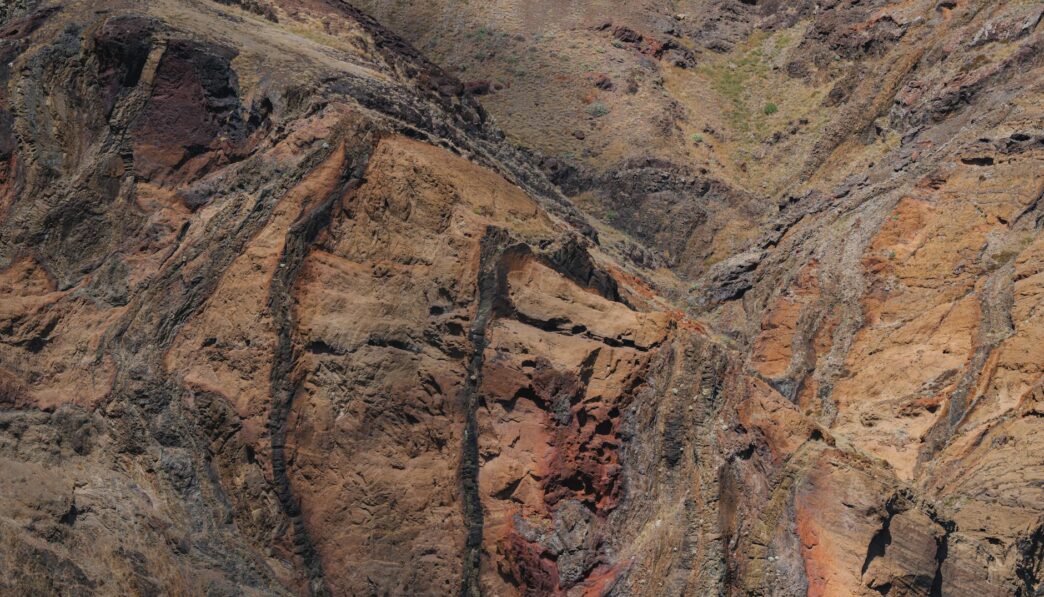
Explore how stratigraphy reveals Earth’s history through rock layers, fossils, and geological processes, impacting fields from resource management to environmental science.

Explore the structure and composition of the continental crust, the Earth’s outer rock layer supporting landmasses, ecosystems, and geological processes.
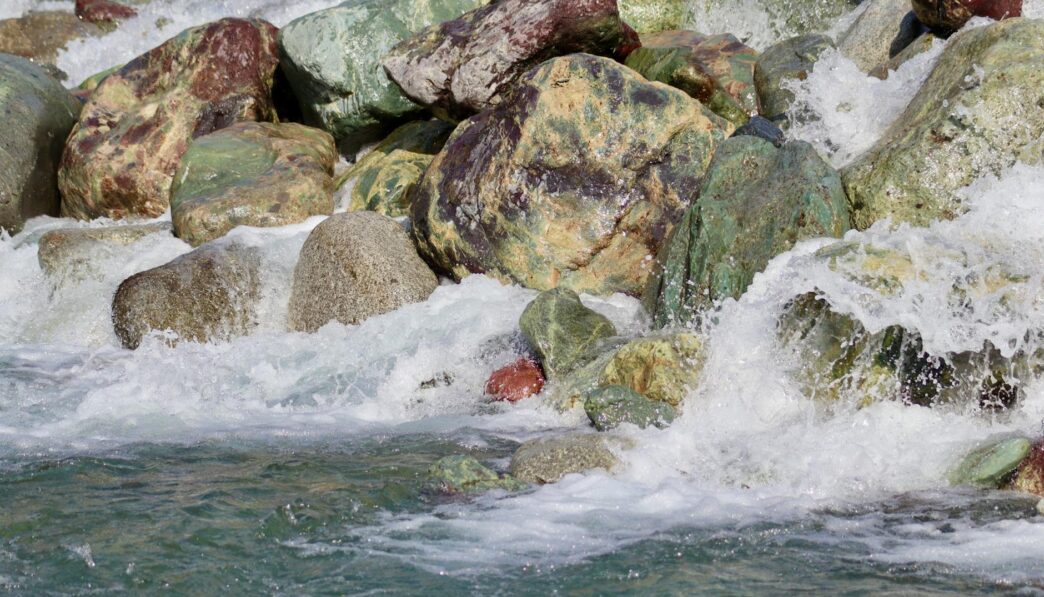
Relict rocks are ancient geological features that reveal Earth’s past environments and influence natural resource exploration. Learn their formation and examples.