
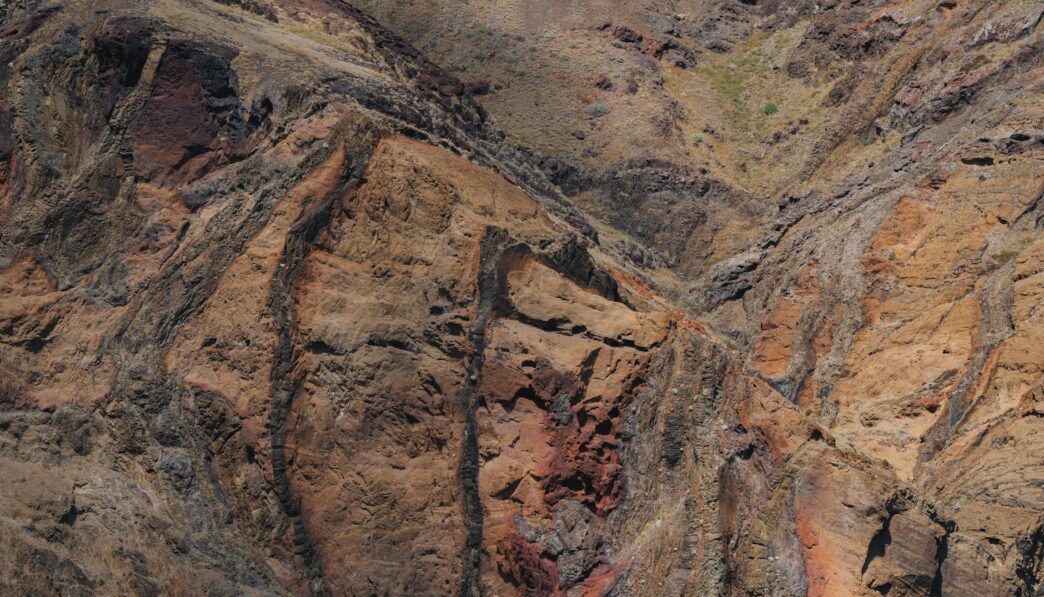
Sandstone: A Common Clastic Sedimentary Rock Explained
Discover the importance, formation, types, and uses of sandstone, a durable clastic sedimentary rock vital in construction, art, and energy sectors.
Discover the importance, formation, types, and uses of sandstone, a durable clastic sedimentary rock vital in construction, art, and energy sectors.

Explore the ancient planet Theia, believed to have collided with Earth 4.5 billion years ago, shaping our planet and forming the Moon.

Explore the Hadean Eon, Earth’s earliest geological period from 4567 to 4031 million years ago, revealing the planet’s formation and early processes.

Explore the formation and development of Early Earth during its first billion years, revealing the origins of life and planetary evolution.

Explore the Hadean Eon, Earth’s earliest geological period marked by extreme conditions and the formation of the planet’s crust and atmosphere.

Explore the oldest dated rocks on Earth and uncover insights into our planet’s 4 billion-year history, including early conditions and formation processes.
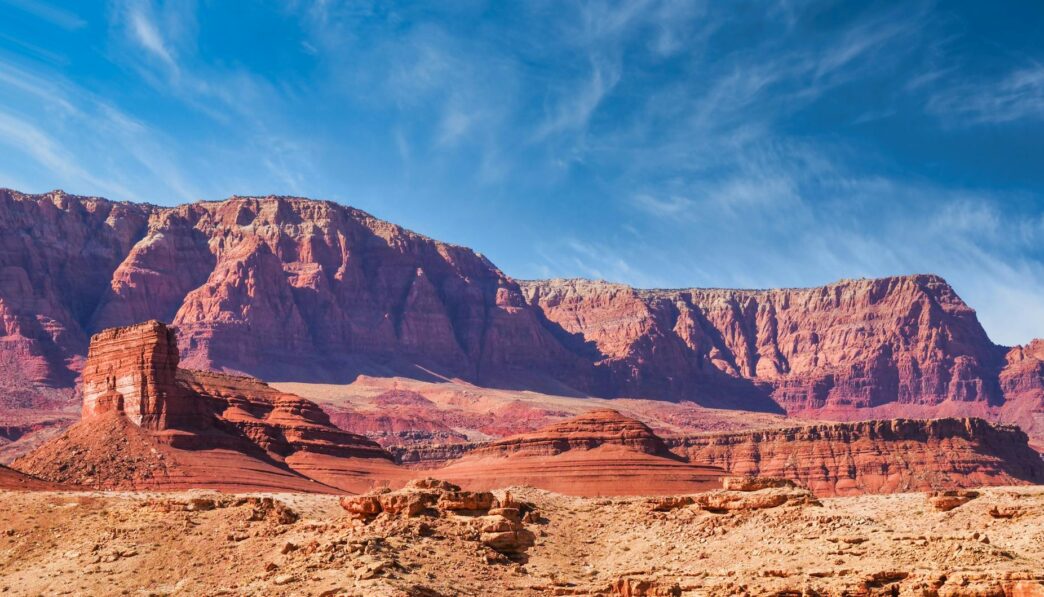
Cratons are ancient, stable parts of Earth’s continental lithosphere, offering insights into geological history and natural resources across continents.

Explore protoplanetary disks where young stars form and planets begin to develop. Learn about their structure, composition, and role in stellar evolution.

Accretion in astrophysics explains how small particles merge to form massive celestial bodies like stars, planets, and black holes through gravitational attraction.

Explore the giant-impact hypothesis explaining how the Moon formed from a massive collision between Earth and a Mars-sized body called Theia billions of years ago.

Explore the formation and key characteristics of protoplanets, the early building blocks of planets that shape our solar system and support life.
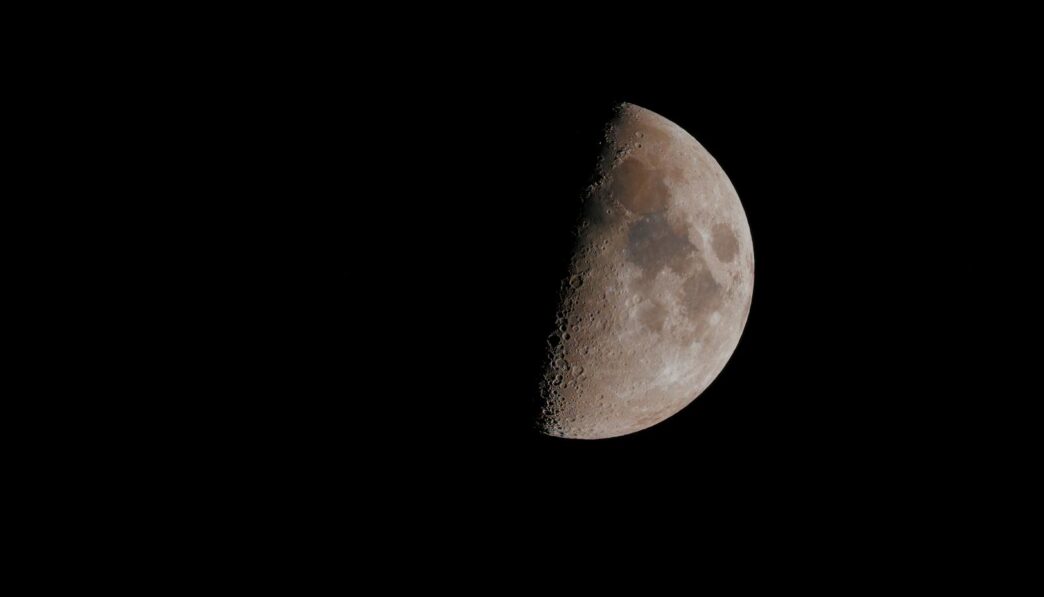
Explore the fascinating moons orbiting planets in our Solar System and their vital roles in planetary dynamics, climate, and potential for life.
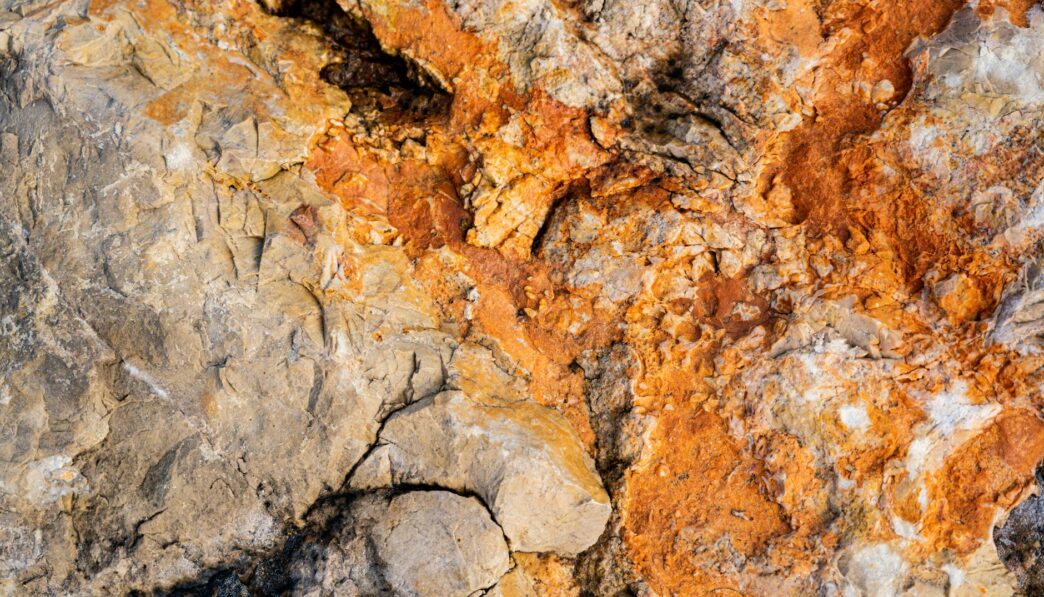
Discover trondhjemite, a light-colored intrusive igneous rock important in geology and construction for its durability and unique mineral composition.

Explore the formation and types of metasedimentary rocks, their geological significance, and their role in Earth’s history and modern applications.

Explore the 4.6 billion-year journey of the Solar System’s formation and evolution, from cosmic dust to planets and ongoing discoveries.

Granite is a durable igneous rock composed of quartz and feldspar, essential in architecture and geology, shaping landscapes and buildings.

Granodiorite is a coarse-grained igneous rock similar to granite but with more plagioclase feldspar. It plays a key role in construction and natural landscapes.

Discover zircon, a durable mineral and gemstone vital for understanding Earth’s history through radiometric dating and geological studies.
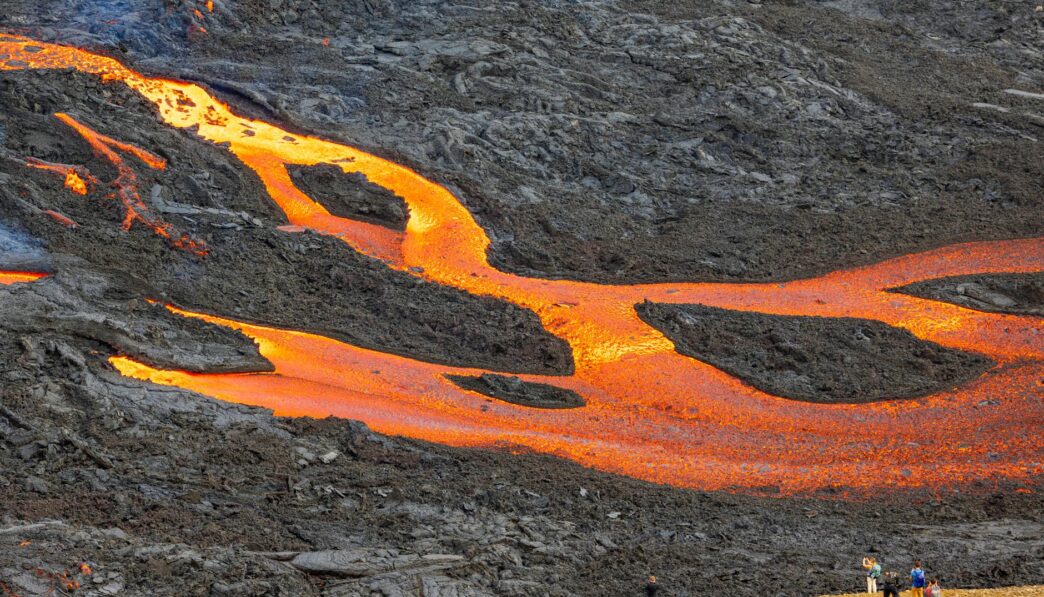
Basalt is a common volcanic rock formed from cooled lava, essential in construction and natural landscapes, revealing Earth’s geological processes.

Explore the nebular hypothesis and how it explains the formation and evolution of our Solar System and other planetary systems in the universe.