

Kenorland: A Hypothetical Supercontinent from the Neoarchaean Era
Explore Kenorland, a hypothetical Neoarchaean supercontinent formed 2.72 billion years ago, and its impact on Earth’s geological history and tectonic activity.
Explore Kenorland, a hypothetical Neoarchaean supercontinent formed 2.72 billion years ago, and its impact on Earth’s geological history and tectonic activity.
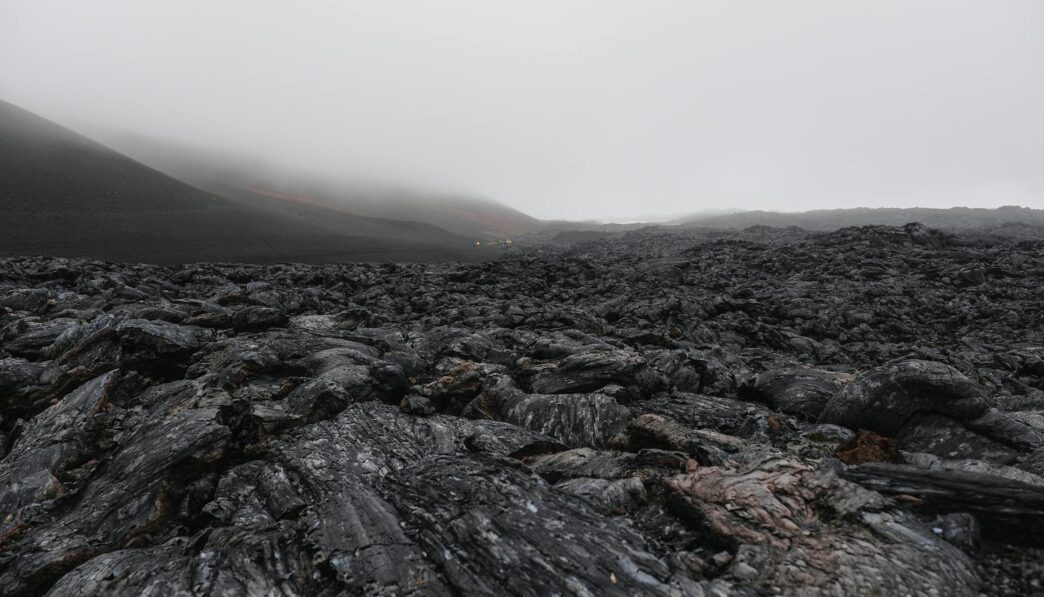
Explore how igneous rocks form from cooling magma and lava, their types, characteristics, and importance in Earth’s geology and daily life.
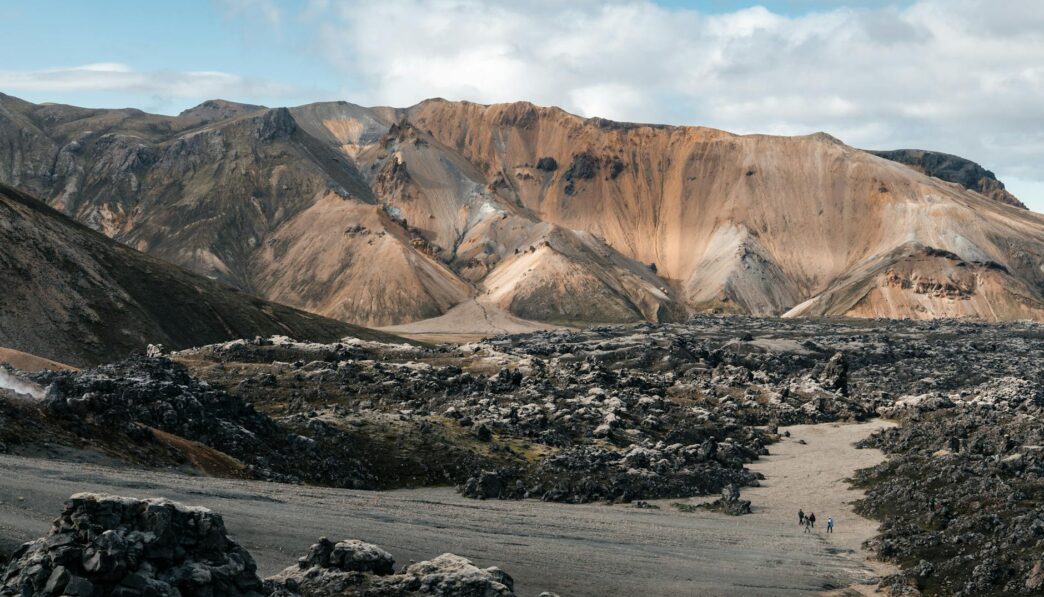
Explore how plate tectonics shape Earth’s surface, causing earthquakes, volcanic eruptions, and mountain formation through the movement of lithospheric plates.

Volatiles are elements and compounds that vaporize easily and shape planetary geology, influencing volcanic activity and atmospheres on planets and moons.

Explore the Hadean Eon, Earth’s earliest geological period from 4567 to 4031 million years ago, revealing the planet’s formation and early processes.

Explore Ur, a hypothetical Archean supercontinent from 3.1 billion years ago, revealing early Earth structure and geological evolution insights.

Explore the structure and composition of the continental crust, the Earth’s outer rock layer supporting landmasses, ecosystems, and geological processes.

Explore the primitive mantle’s role in Earth’s formation, geology, and climate science, revealing how early chemical composition shapes our planet today.

Explore Vaalbara, Earth’s first hypothetical supercontinent, its geological significance, and how it shaped our planet’s early continental formation and tectonic processes.

Relict rocks are ancient geological features that reveal Earth’s past environments and influence natural resource exploration. Learn their formation and examples.