

Kenorland: A Hypothetical Supercontinent from the Neoarchaean Era
Explore Kenorland, a hypothetical Neoarchaean supercontinent formed 2.72 billion years ago, and its impact on Earth’s geological history and tectonic activity.
Explore Kenorland, a hypothetical Neoarchaean supercontinent formed 2.72 billion years ago, and its impact on Earth’s geological history and tectonic activity.

Explore the Snowball Earth hypothesis, detailing global glaciation events during the Proterozoic Eon and their impact on Earth’s climate and life.

Explore the Last Glacial Period, its major ice age events, climate impact, and lessons for biodiversity and future climate change adaptation.

Explore Rodinia, the ancient Neoproterozoic supercontinent, its formation, breakup, and impact on Earth’s geological history and climate evolution.

Explore the Pleistocene Epoch, Earth’s last Ice Age, marked by glaciations that shaped landscapes and influenced species evolution including humans.

Explore Pannotia, a Neoproterozoic supercontinent from 600 million years ago, and learn how its formation shaped Earth’s geology and life evolution.

Explore the Proterozoic Eon, Earth’s longest geologic era from 2.5 billion to 539 million years ago, marked by oxygen rise and early multicellular life.
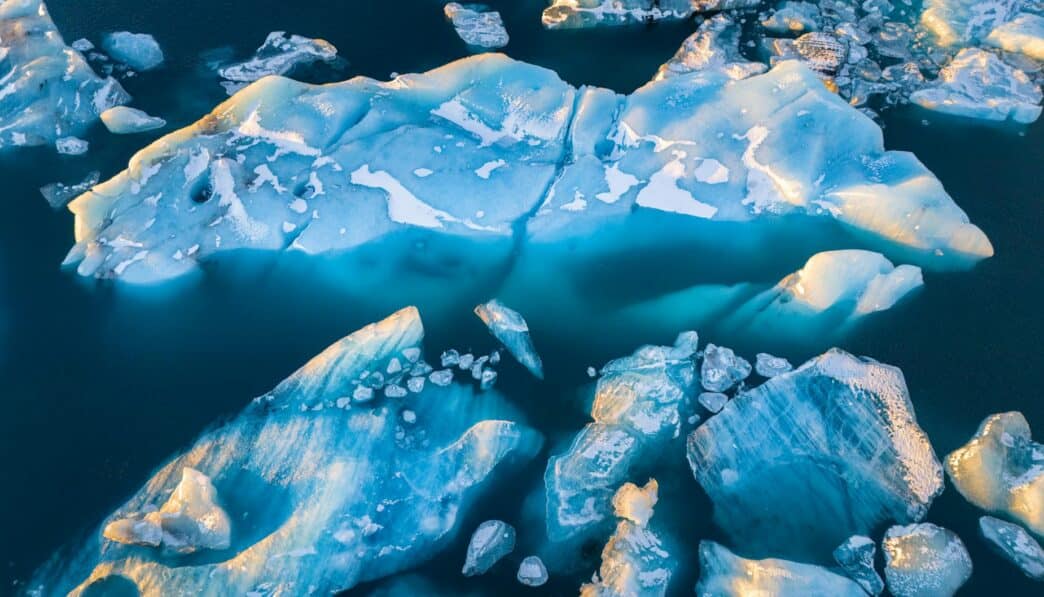
Explore the Last Glacial Period from 115,000 to 12,000 years ago, its climate shifts, ice sheets, and lasting impact on Earth’s environment and species.