

Malanka
Malanka is a Slavic goddess of spring, renewal, and fertility, symbolizing the return of life and warmth after winter through folklore and seasonal myths.
Malanka is a Slavic goddess of spring, renewal, and fertility, symbolizing the return of life and warmth after winter through folklore and seasonal myths.

Aakuluujjusi originates from Inuit mythology, which is rich in stories about the creation of the world and natural phenomena, reflecting the environment of the Arctic.

Bastet is the ancient Egyptian goddess of home, fertility, protection, and cats, revered for her dual nature as a nurturing mother and fierce warrior.

Luonnotar, also known as Ilmatar, is the Finnish goddess of creation and nature, central to the Kalevala myth where she shapes the world from chaos.
Discover Ba, the Chinese goddess of drought, embodying nature’s dual power to nurture and destroy, with tales of protection and punishment.
Aba-khatun is a goddess from the mythology of the Chuvash people, an ethnic group in Russia. Their mythology includes a blend of Turkic and Finno-Ugric elements.
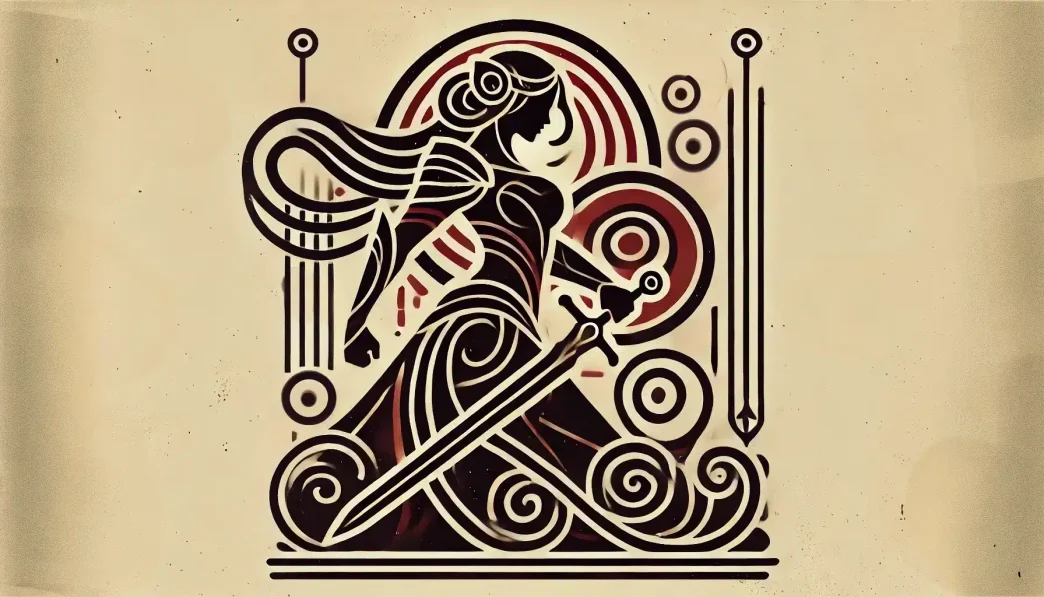
Badb is a powerful Irish war goddess known as the battle crow, symbolizing death, prophecy, and chaos on the battlefield in ancient mythology.
Aahmes-Nefertari is rooted in ancient Egyptian mythology. She was a revered queen who later became deified. Her cult was particularly significant in Thebes.
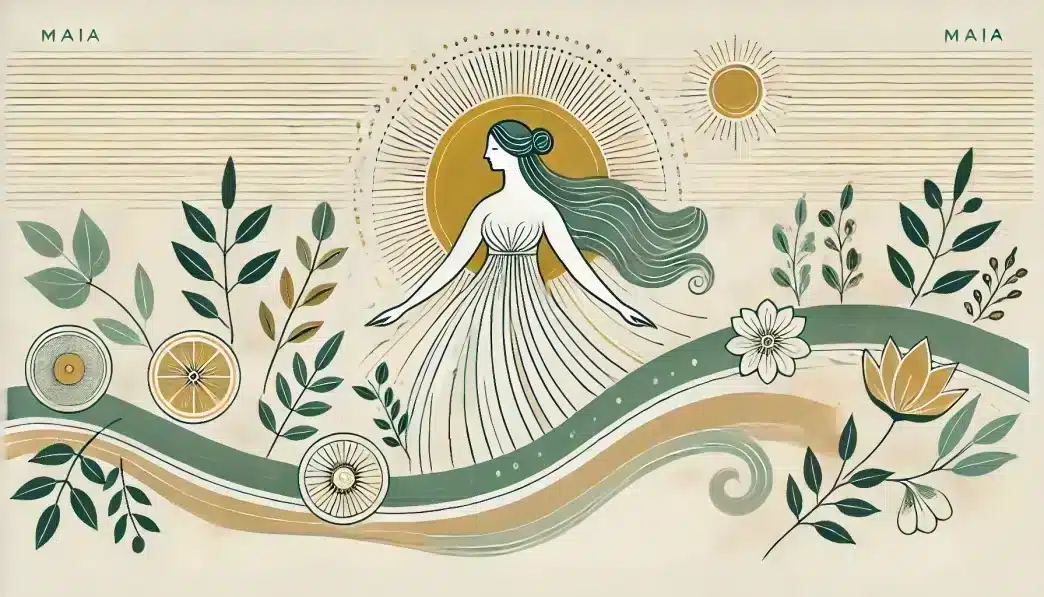
Maia is the Roman goddess of growth, fertility, and spring, linked to the month of May and celebrated for her role in nature’s renewal and abundance.