

The Iron Catastrophe: A Key Event in Earth’s Early Geological History
The Iron Catastrophe was a crucial early Earth event where iron and nickel formed the core, shaping the planet’s magnetic field and supporting life.
The Iron Catastrophe was a crucial early Earth event where iron and nickel formed the core, shaping the planet’s magnetic field and supporting life.

Explore the fundamental principle of inertia in classical physics and its impact on everyday life, motion, and technology from cars to spacecraft.

Explore the atmospheres of celestial bodies, their composition, pressure, and impact on climate and habitability across planets like Earth, Mars, and Venus.

Explore the ancient planet Theia, believed to have collided with Earth 4.5 billion years ago, shaping our planet and forming the Moon.

Explore how gravity shapes our world, influences technology, and governs celestial motions. Understand its role from everyday life to the cosmos.

Explore Mars, the Red Planet, its unique features, environment, geological history, and the technology driving its exploration.

Explore the powerful stellar explosions known as supernovae, their causes, effects, and significance in the cosmos and our universe’s evolution.
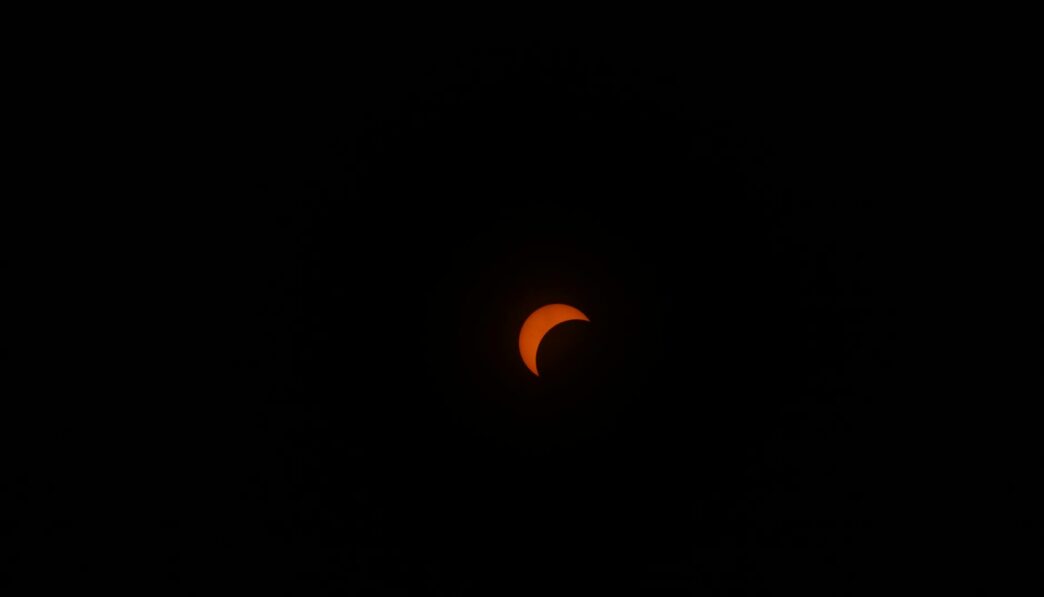
Explore the solar system’s structure, key celestial bodies, and the Sun’s role. Learn about planets, dwarf planets, asteroids, and future space missions.

Explore the Big Bang Theory and how the universe’s expansion shapes our understanding of cosmic origins, galaxies, and the future of the cosmos.

Explore protoplanetary disks where young stars form and planets begin to develop. Learn about their structure, composition, and role in stellar evolution.

Accretion in astrophysics explains how small particles merge to form massive celestial bodies like stars, planets, and black holes through gravitational attraction.
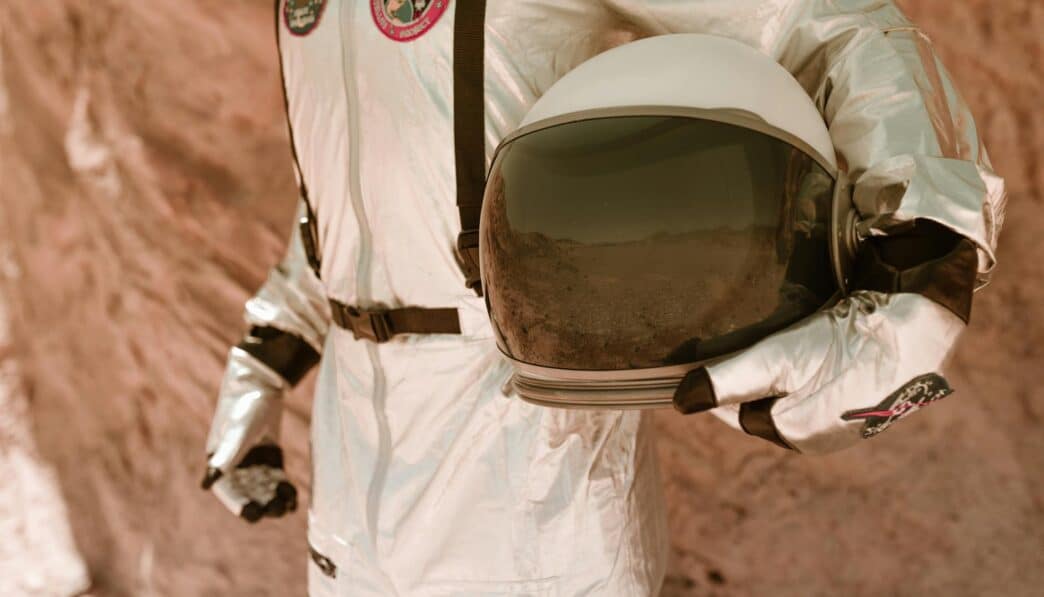
Explore the giant-impact hypothesis explaining how the Moon formed from a massive collision between Earth and a Mars-sized body called Theia billions of years ago.

Explore the formation and key characteristics of protoplanets, the early building blocks of planets that shape our solar system and support life.
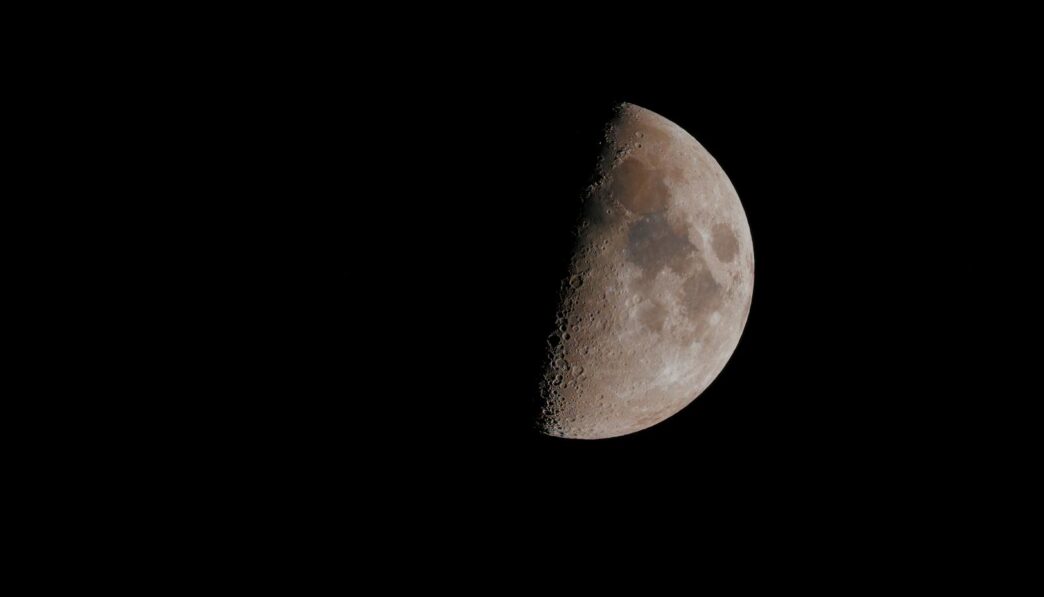
Explore the fascinating moons orbiting planets in our Solar System and their vital roles in planetary dynamics, climate, and potential for life.

Explore the 4.6 billion-year journey of the Solar System’s formation and evolution, from cosmic dust to planets and ongoing discoveries.

Explore how perturbation affects celestial orbits, causing deviations from perfect circles due to gravitational and non-gravitational forces in astronomy.
Explore the universe’s structure, age, and composition, from the Big Bang to dark matter and future cosmology discoveries. Understand cosmic evolution and common myths.

Explore the nebular hypothesis and how it explains the formation and evolution of our Solar System and other planetary systems in the universe.
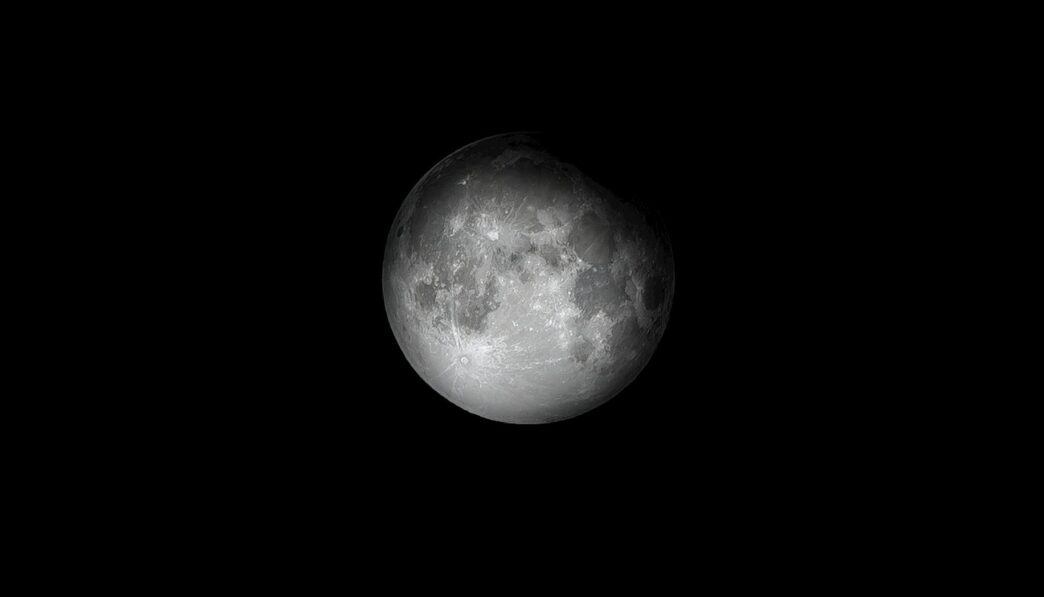
Explore how accretion disks form around massive celestial bodies like stars and black holes, influencing their evolution and cosmic dynamics.
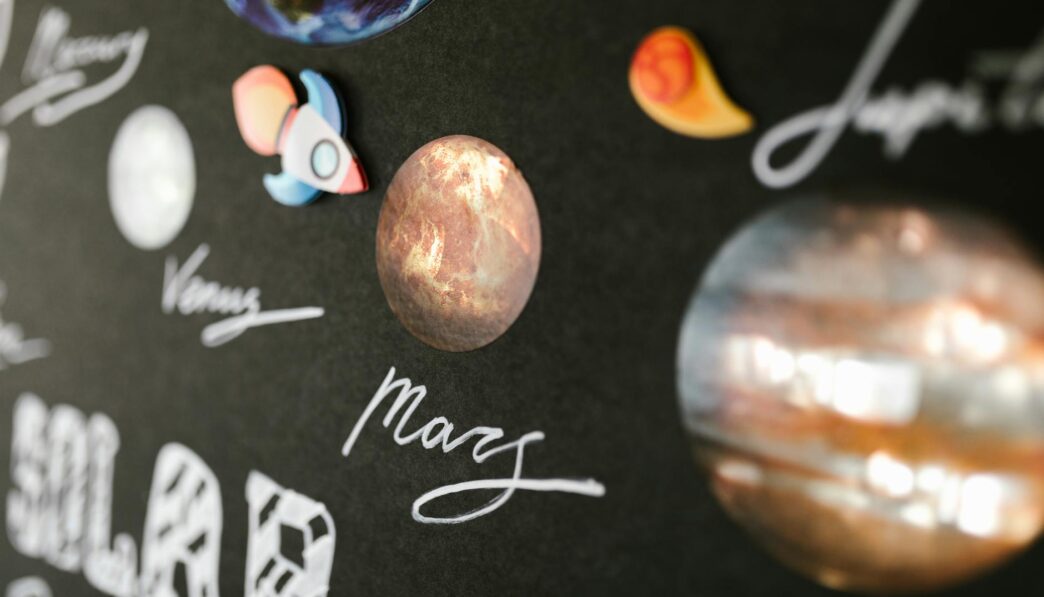
Explore the 4.6 billion-year formation and evolution of the solar system, from the solar nebula to planetary development and cosmic discoveries.