

Detritus in Geology: Understanding Rock Particles from Weathering and Erosion
Detritus in geology refers to rock particles formed by weathering and erosion that shape landscapes and ecosystems through transport and deposition.
Detritus in geology refers to rock particles formed by weathering and erosion that shape landscapes and ecosystems through transport and deposition.

The Andes Mountains span seven South American countries, offering unique ecosystems, rich culture, and diverse outdoor activities like hiking and skiing.
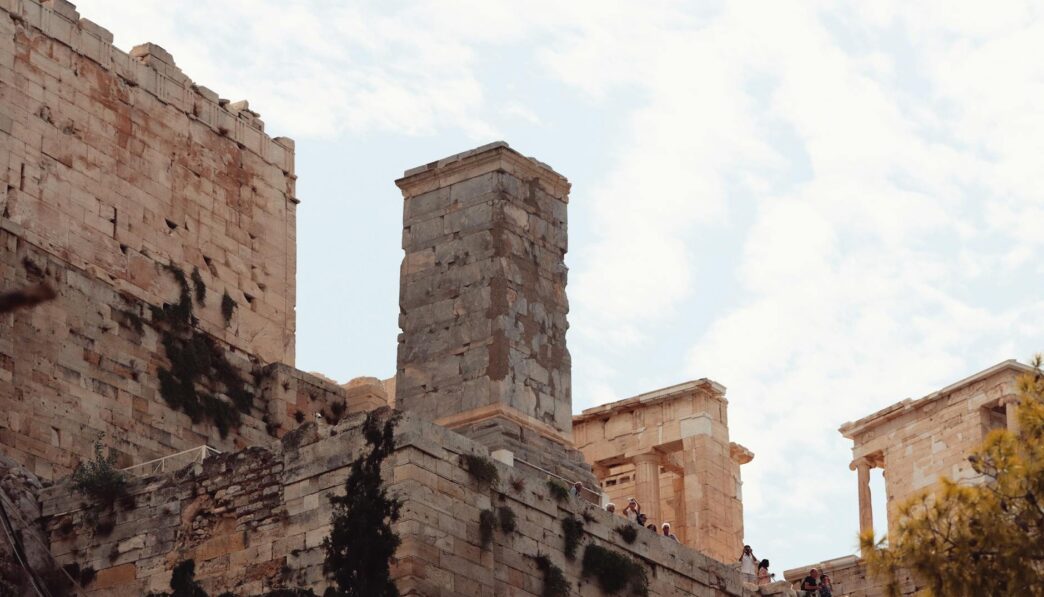
Explore the significance of ancient high cities like the Acropolis and their impact on history, architecture, and modern urban planning.

Explore Laurentia, the ancient geological core of North America, its formation, key features, and impact on Earth’s geological and biological history.

Explore how volcanoes form, erupt, and impact our planet’s landscapes and climate. Understand their locations and the science behind their powerful eruptions.

Granite is a durable igneous rock composed of quartz and feldspar, essential in architecture and geology, shaping landscapes and buildings.

Rhosynian is a unique gender identity within the Nadurian System, expressing a deep connection to nature’s beauty and emotional qualities.

Granodiorite is a coarse-grained igneous rock similar to granite but with more plagioclase feldspar. It plays a key role in construction and natural landscapes.
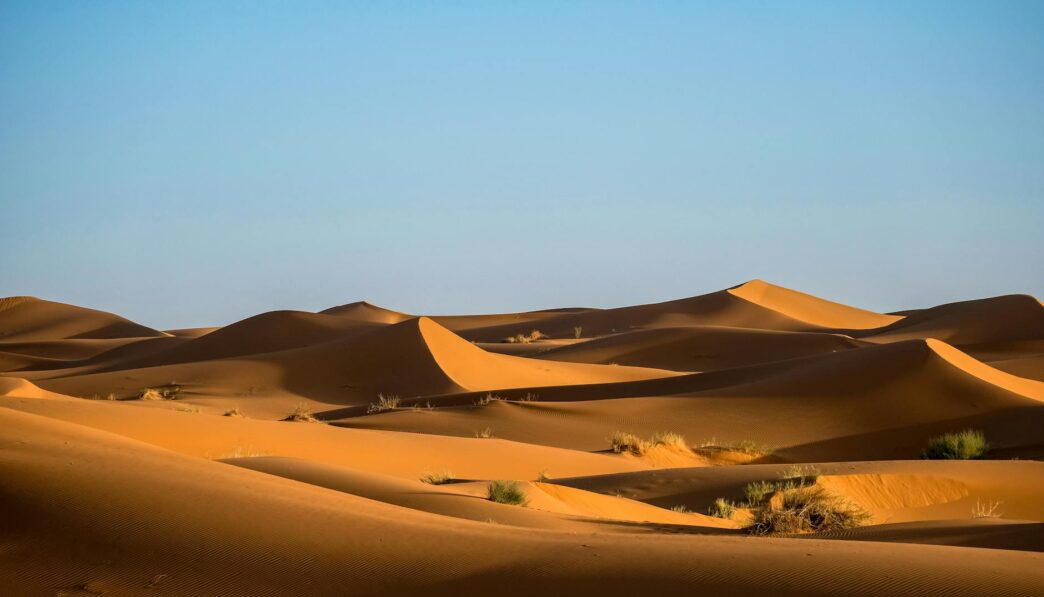
Explore the Sahara Desert, the largest hot desert in North Africa, its unique ecosystems, extreme climate, and global impact on weather and biodiversity.
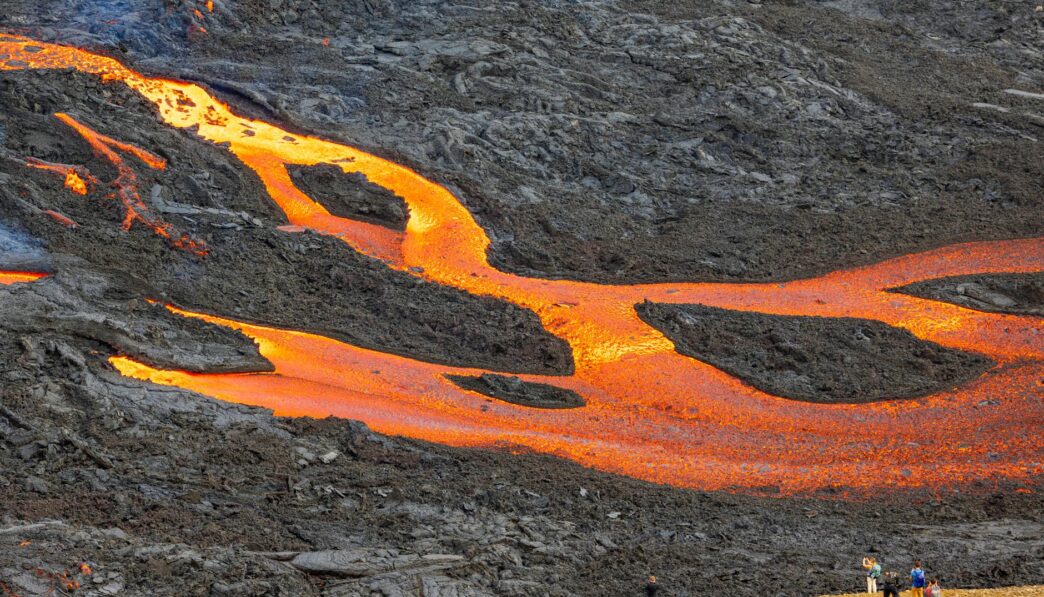
Basalt is a common volcanic rock formed from cooled lava, essential in construction and natural landscapes, revealing Earth’s geological processes.

Explore the key characteristics and composition of felsic igneous rocks, including their formation, mineral content, and significance in geology and daily life.
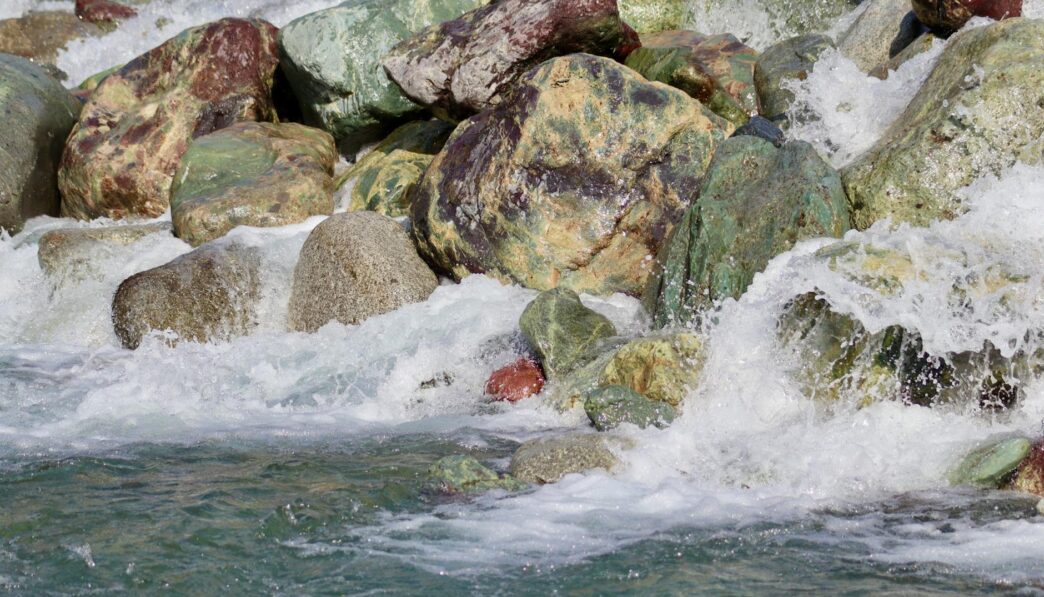
Relict rocks are ancient geological features that reveal Earth’s past environments and influence natural resource exploration. Learn their formation and examples.