

The Late Heavy Bombardment: A Key Event in Early Solar System History
Explore the Late Heavy Bombardment, a crucial early Solar System event that shaped planetary surfaces and influenced Earth’s geological history.
Explore the Late Heavy Bombardment, a crucial early Solar System event that shaped planetary surfaces and influenced Earth’s geological history.

The Iron Catastrophe was a crucial early Earth event where iron and nickel formed the core, shaping the planet’s magnetic field and supporting life.

Explore the origins and evolution of life on Earth, from primordial beginnings to complex organisms, and uncover common myths and microbial roles.

Explore the formation and development of Early Earth during its first billion years, revealing the origins of life and planetary evolution.

Explore the biological processes and diverse life forms on Earth, uncovering how organisms grow, adapt, and interact within ecosystems.

A star is a celestial body emitting light and heat, symbolizing hope and inspiring scientific discovery. Learn how stars influence life and culture.
A spike is a brief, sudden change in feelings or identity, often seen in gender and sexual orientation contexts like acespike, where attraction temporarily shifts.
Aba-khatun is a goddess from the mythology of the Chuvash people, an ethnic group in Russia. Their mythology includes a blend of Turkic and Finno-Ugric elements.

Explore the fascinating world of exoplanets, their discovery methods, types, and the impact of their research on science and the search for extraterrestrial life.

Explore the Great Oxidation Event, when oxygen first rose in Earth’s atmosphere, transforming life and climate over 2 billion years ago.

Explore abiogenesis, the natural process where life arises from non-living matter, revealing the origins of life on Earth and beyond.

Explore the faint young Sun paradox and how early Earth maintained liquid water despite a dimmer Sun, revealing clues about life’s origins.
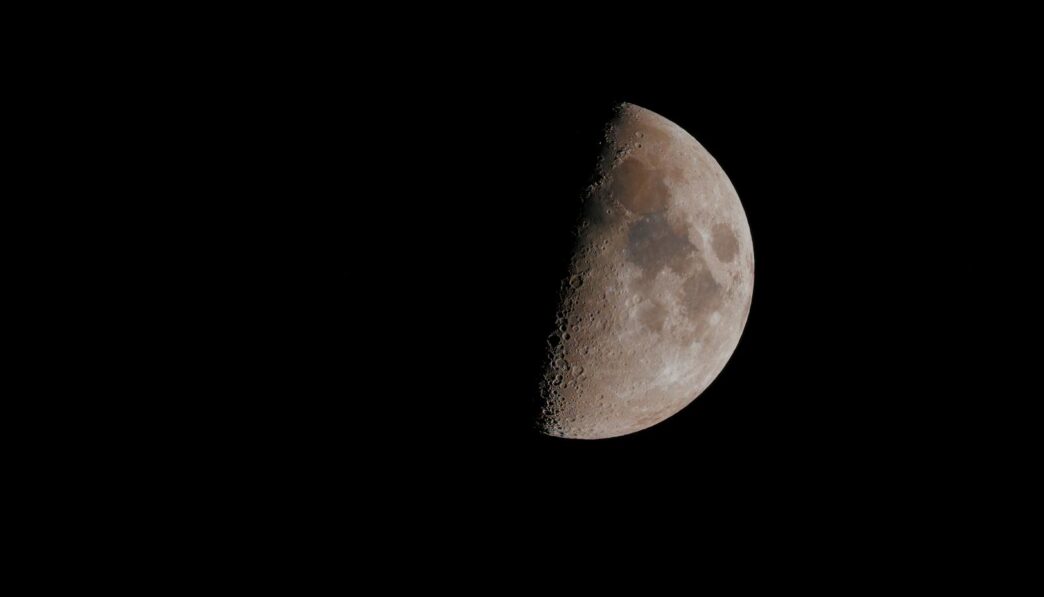
Explore the fascinating moons orbiting planets in our Solar System and their vital roles in planetary dynamics, climate, and potential for life.

Explore the prebiotic atmosphere, Earth’s second atmosphere that set the stage for life by creating conditions essential for organic molecule formation.

Discover Neptune, the eighth planet from the Sun, its unique features, atmospheric dynamics, and its role in understanding planetary science and the search for life.

Explore the concept of multicellular organisms, their characteristics, and examples from plants and animals that illustrate the complexity of life.

Jaro is the Slavic god of spring and fertility, symbolizing renewal, growth, and the cyclical balance of life and death in nature.
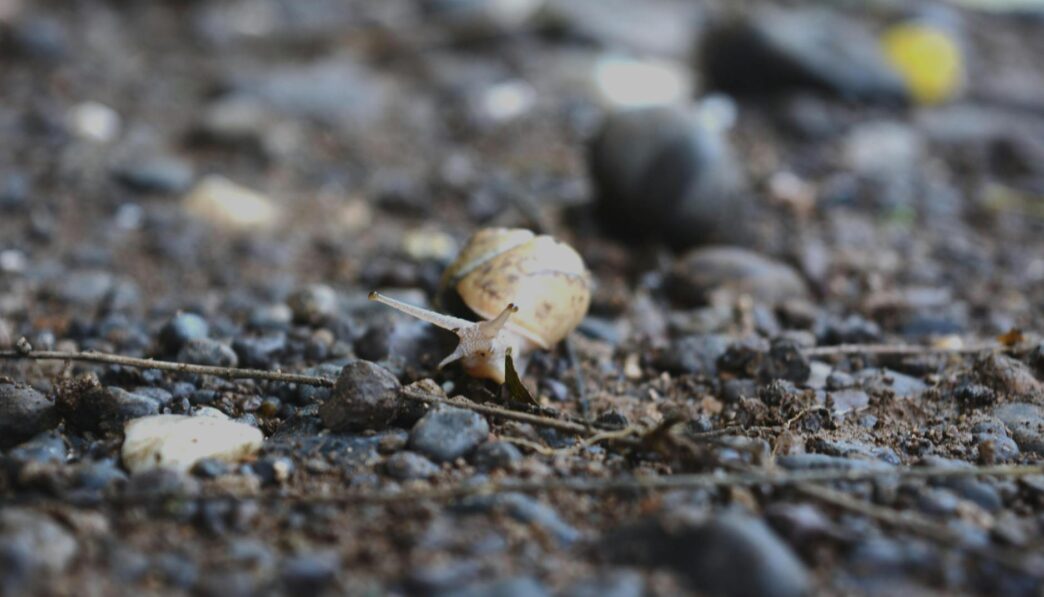
Explore the earliest life forms on Earth through fossil and rock evidence revealing ancient ecosystems and the origins of life.