

Internal Structure of Earth: Layers and Composition Explained
Explore Earth’s internal structure, its layers, and composition, and learn how this knowledge helps predict natural disasters and manage resources.
Explore Earth’s internal structure, its layers, and composition, and learn how this knowledge helps predict natural disasters and manage resources.
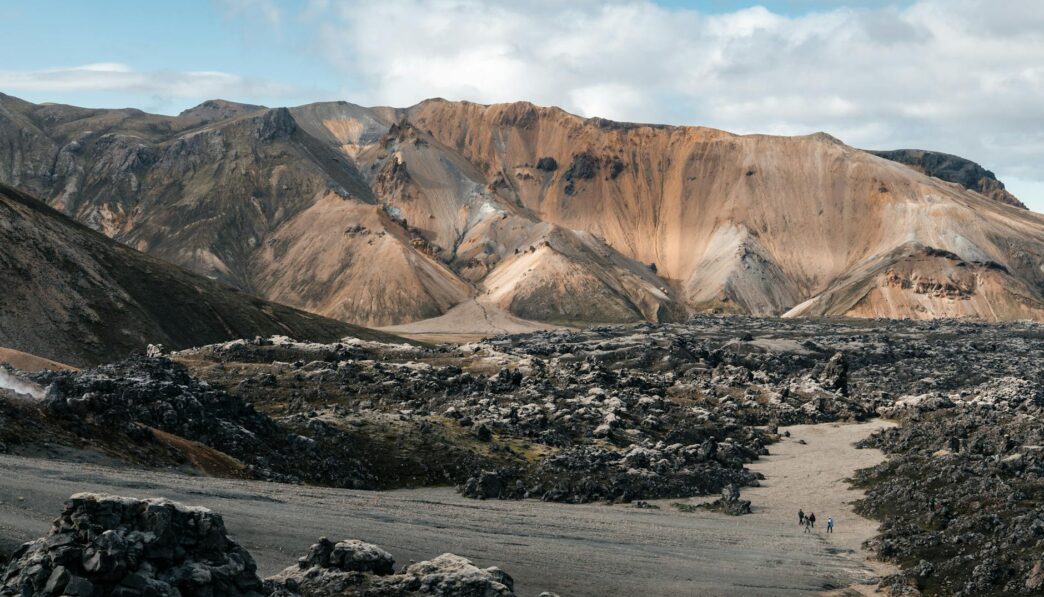
Explore how plate tectonics shape Earth’s surface, causing earthquakes, volcanic eruptions, and mountain formation through the movement of lithospheric plates.
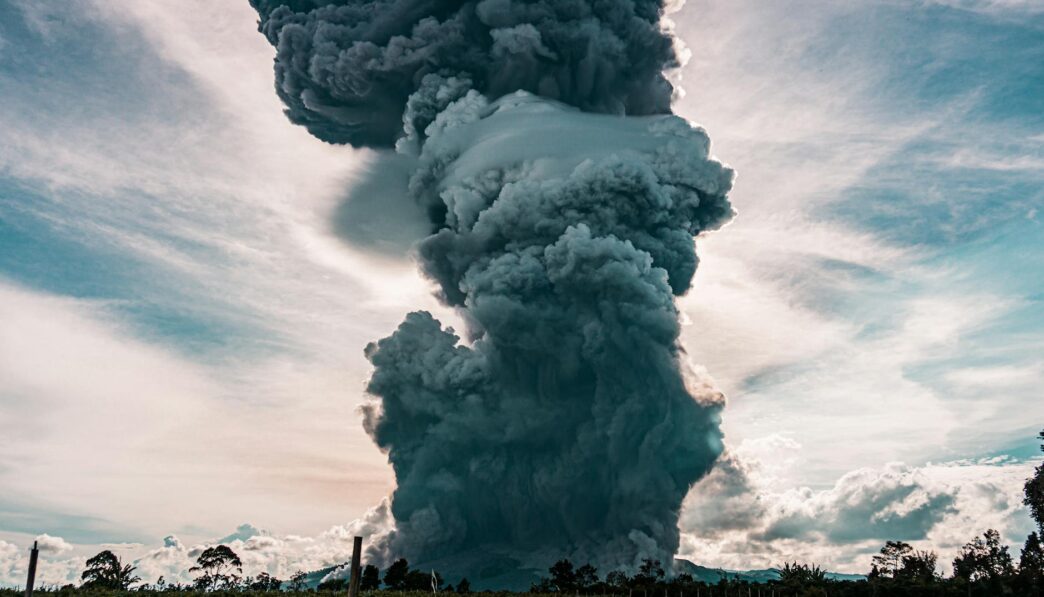
Explore the fundamentals of plate tectonics and the Earth’s lithosphere movement, understanding their impact on natural events and our planet’s future.

Explore the process of partial melting in rocks and its key role in volcanic activity, rock formation, and natural resource creation in geology.

Explore the formation and development of Early Earth during its first billion years, revealing the origins of life and planetary evolution.

Explore how Earth’s temperature increases with depth, the geothermal gradient, its causes, and its impact on energy and geology.
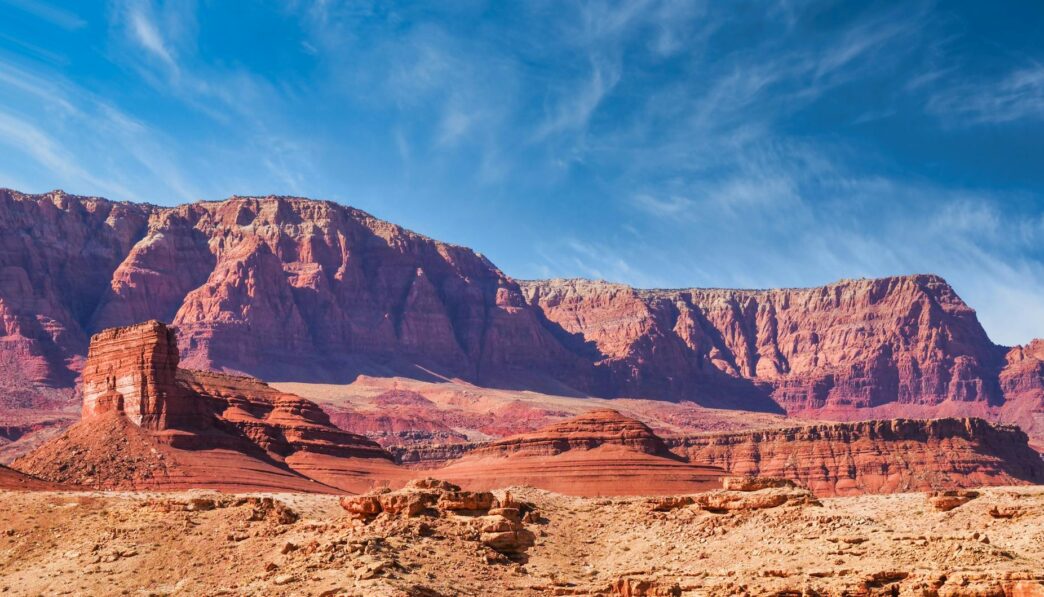
Cratons are ancient, stable parts of Earth’s continental lithosphere, offering insights into geological history and natural resources across continents.

Explore planetary differentiation, the process shaping planets’ internal layers and influencing their formation, structure, and potential for life.

Explore Earth’s physical composition and structure through geology, uncovering the planet’s layers, processes, and the science behind natural phenomena.

Explore the primitive mantle’s role in Earth’s formation, geology, and climate science, revealing how early chemical composition shapes our planet today.

Explore how mantle convection drives Earth’s tectonic movements and influences geological events like earthquakes and volcanic eruptions shaping our planet.

Discover the Earth’s mantle, the thick layer between the core and crust that drives tectonic activity, volcanic eruptions, and influences climate.

Explore how subduction shapes Earth’s surface, triggers earthquakes, and forms mountains, highlighting its importance in geology and disaster preparedness.