

Theia: The Hypothetical Ancient Planet That Collided with Earth
Explore the ancient planet Theia, believed to have collided with Earth 4.5 billion years ago, shaping our planet and forming the Moon.
Explore the ancient planet Theia, believed to have collided with Earth 4.5 billion years ago, shaping our planet and forming the Moon.
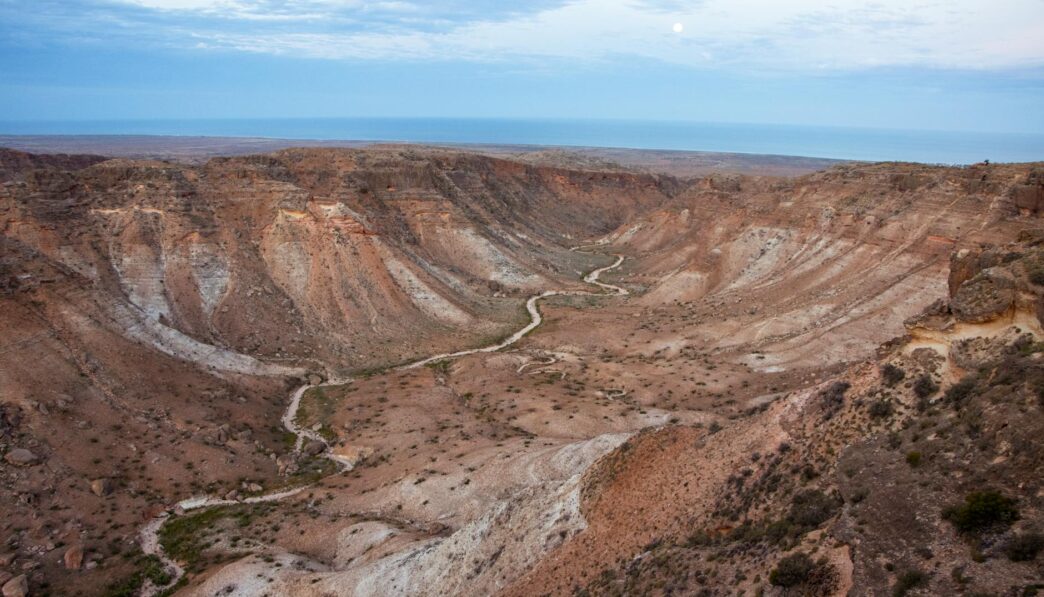
Explore the giant-impact hypothesis explaining how the Moon formed from a colossal collision between Earth and a Mars-sized body named Theia 4.5 billion years ago.

Crater counting estimates planetary surface age by analyzing impact craters, revealing geological history and activity on bodies like the Moon and Mars.
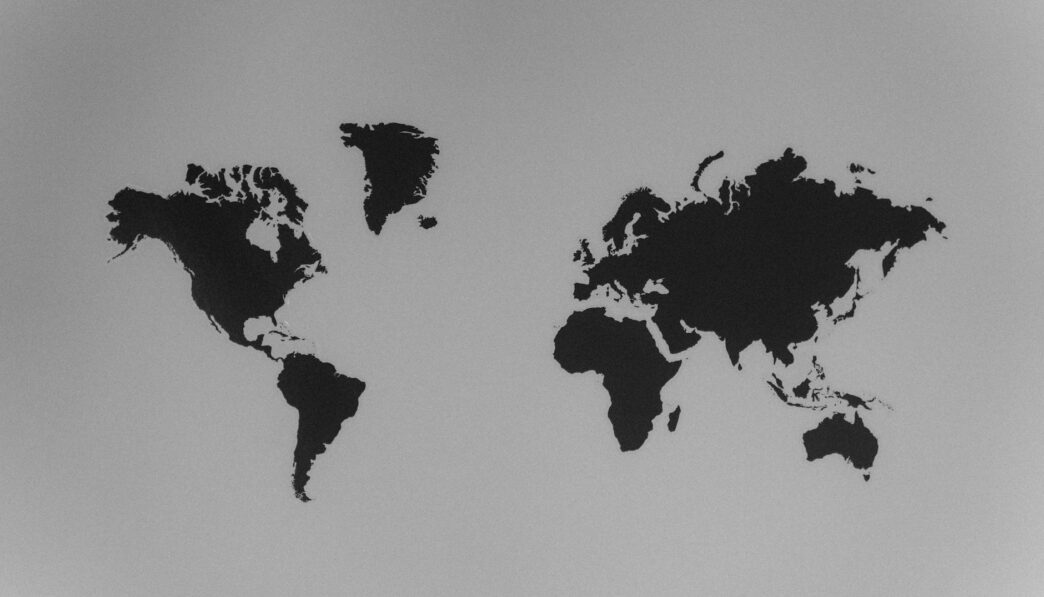
Explore the Hadean Eon, Earth’s earliest geological period from 4567 to 4031 million years ago, revealing the planet’s formation and early processes.

Abaangui is a figure from Guarani mythology, which originates from the indigenous Guarani people in South America, particularly in Paraguay, Brazil, and Argentina.
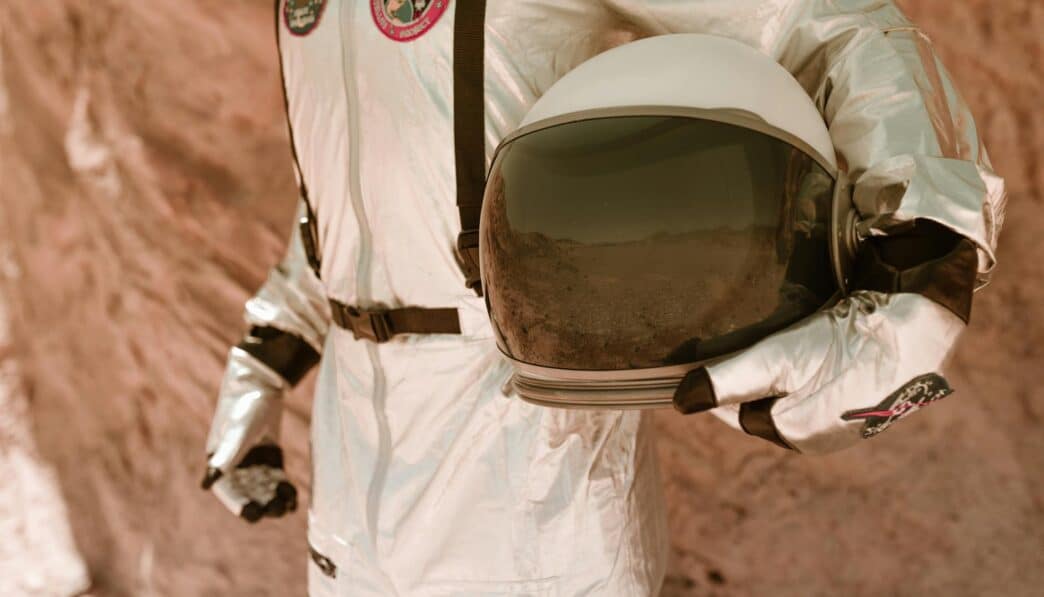
Explore the giant-impact hypothesis explaining how the Moon formed from a massive collision between Earth and a Mars-sized body called Theia billions of years ago.
Selenian is a non-binary gender identity inspired by lunar qualities, offering a fluid and expansive way to express gender beyond traditional categories.

Explore the Apollo Program’s impact on lunar science, astronaut experiences, and its legacy inspiring future missions like NASA’s Artemis program.

Explore the leading theories on the Moon’s formation, its unique features, and the scientific insights that reveal its origin and significance to Earth.

Discover the Moon’s vital role as Earth’s natural satellite, influencing tides, climate, and inspiring science and culture throughout history.