
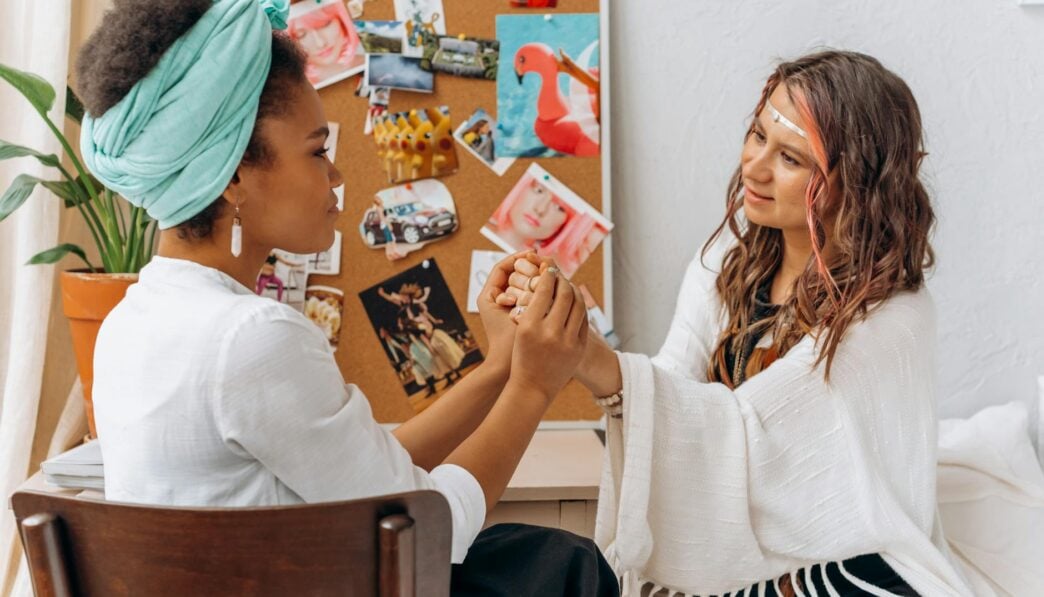
Understanding Collective Unconscious Theory and Its Impact on the Mind
Understanding Collective Unconscious Theory and Its Impact on the Mind The concept of the collective unconscious, introduced by Swiss psychiatrist … Read more
Understanding Collective Unconscious Theory and Its Impact on the Mind The concept of the collective unconscious, introduced by Swiss psychiatrist … Read more
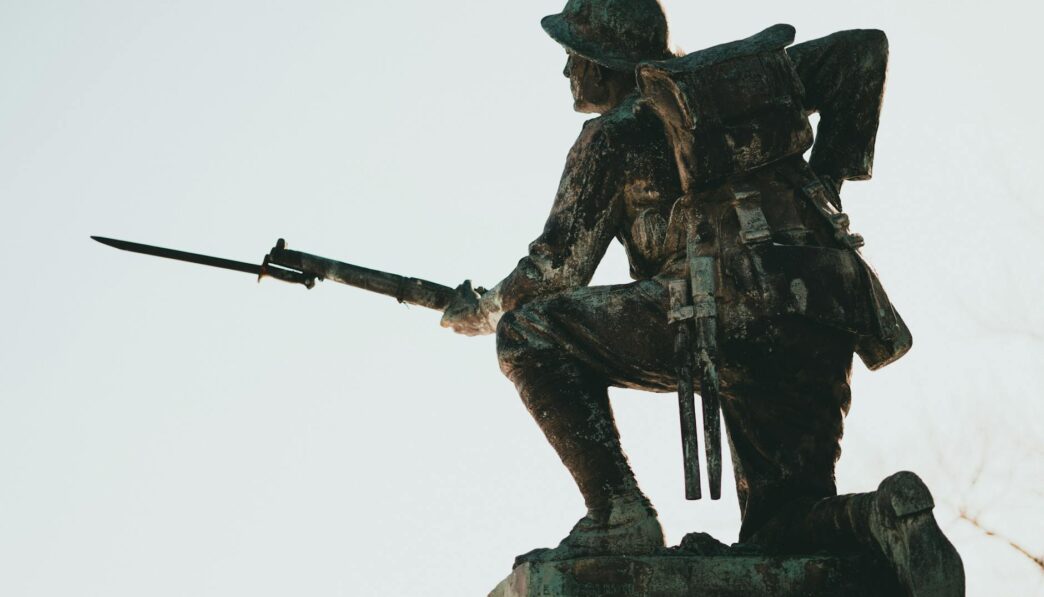
Explore the legendary Greek hero Achilles, his role in the Trojan War, and the lasting legacy of his bravery, pride, and complex character.

Jędza is a malevolent figure in Slavic mythology symbolizing calamity, disease, and misfortune, feared for spreading chaos and despair.

Malanka is a Slavic goddess of spring, renewal, and fertility, symbolizing the return of life and warmth after winter through folklore and seasonal myths.

Aakuluujjusi originates from Inuit mythology, which is rich in stories about the creation of the world and natural phenomena, reflecting the environment of the Arctic.
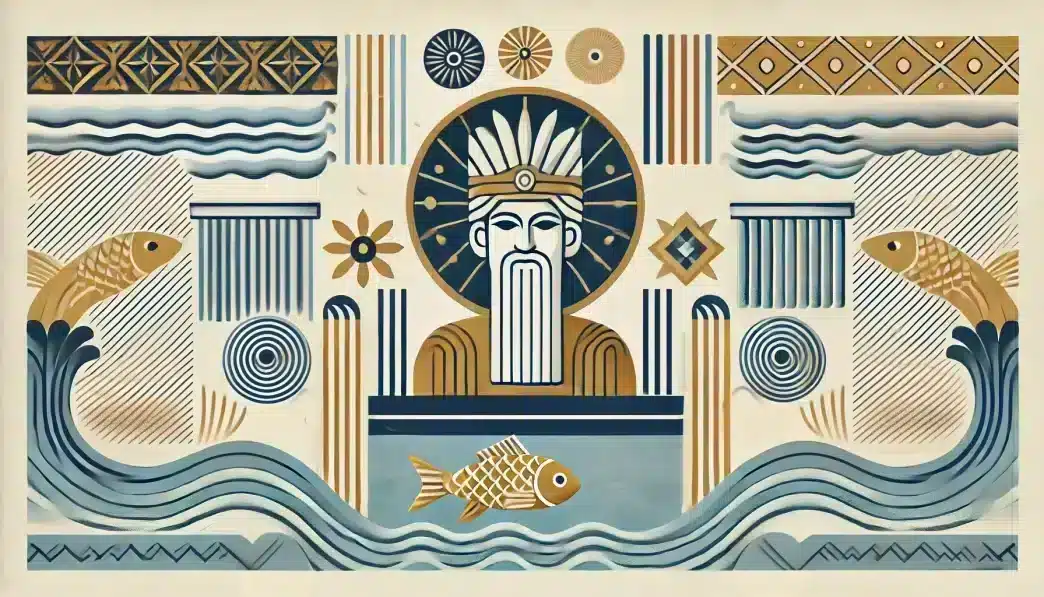
Enki, also known as Ea, is a key Mesopotamian god of water, wisdom, creation, and magic, vital in myths like the flood and civilization’s origins.

Bastet is the ancient Egyptian goddess of home, fertility, protection, and cats, revered for her dual nature as a nurturing mother and fierce warrior.

Explore the Xia Dynasty, China’s first dynasty, its governance, cultural impact, and archaeological discoveries shaping early Chinese history.
Explore the rich diversity of gods and goddesses from various cultures, their origins, attributes, and roles in myths and legends throughout history.
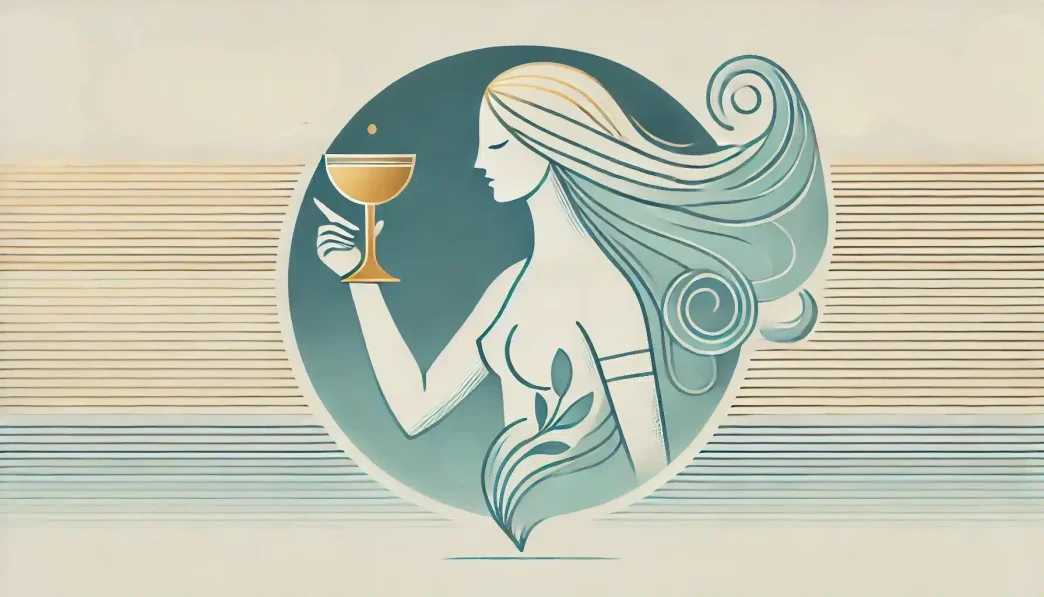
Hebe is the Greek goddess of youth and cupbearer to the gods, symbolizing vitality, renewal, and immortality. She is daughter of Zeus and Hera and wife of Heracles.
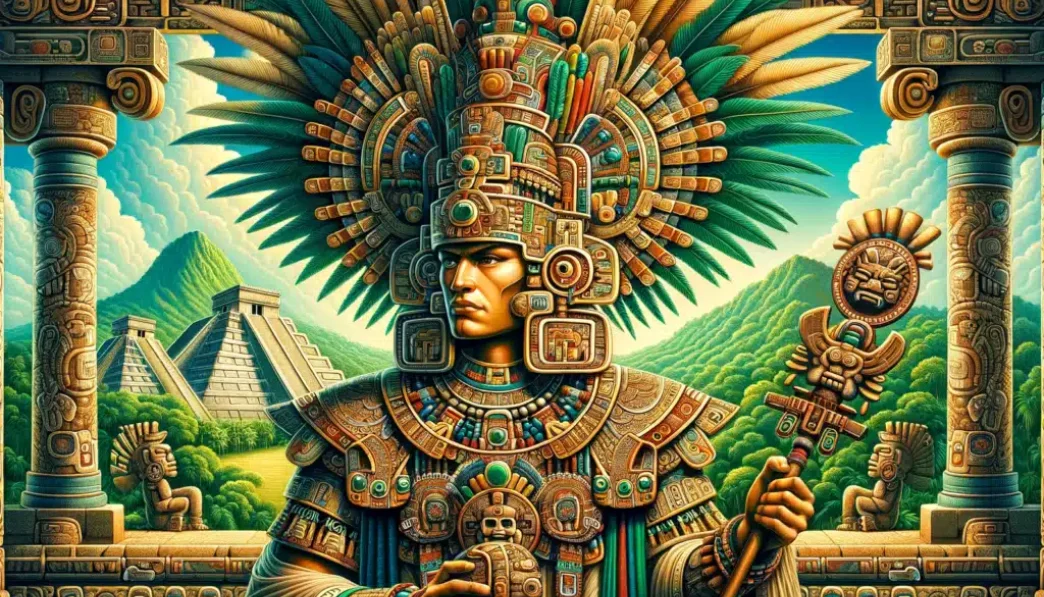
Ab Kin Xoc is part of the Maya mythology, known for its intricate deities, rituals, and the significance of astronomy and the calendar.

Io, a mortal loved by Zeus, endures transformation and torment in Greek mythology, symbolizing resilience and redemption through her epic wanderings.

Luonnotar, also known as Ilmatar, is the Finnish goddess of creation and nature, central to the Kalevala myth where she shapes the world from chaos.

Explore the rich cultures and innovations of Pre-Columbian societies across the Americas, from the Inca road systems to Maya astronomy and sustainable farming.
Abaangui is a figure from Guarani mythology, which originates from the indigenous Guarani people in South America, particularly in Paraguay, Brazil, and Argentina.