

Homo heidelbergensis: An Overview of the Extinct Archaic Human Species
Explore Homo heidelbergensis, an extinct archaic human species key to understanding human evolution, social behavior, and ancient tool use.
Explore Homo heidelbergensis, an extinct archaic human species key to understanding human evolution, social behavior, and ancient tool use.

Homo habilis, an archaic human species from 2.4 to 1.65 million years ago, offers key insights into early human evolution, tool use, and behavior.

Explore Earth’s history through the geologic time scale, revealing how rock layers and fossils tell the story of life and geological events over billions of years.

Explore Ur, a hypothetical Archean supercontinent from 3.1 billion years ago, revealing early Earth structure and geological evolution insights.

Explore the Mesozoic Era, Earth’s Age of Reptiles and Dinosaurs, highlighting key periods, fossil formation, and the rise of mammals and birds.

Explore the Cambrian Explosion, a pivotal event in animal evolution that led to diverse species and complex ecosystems through innovative adaptations.

Explore the 19th century discovery of human antiquity and its impact on science, reshaping our understanding of human evolution and history.
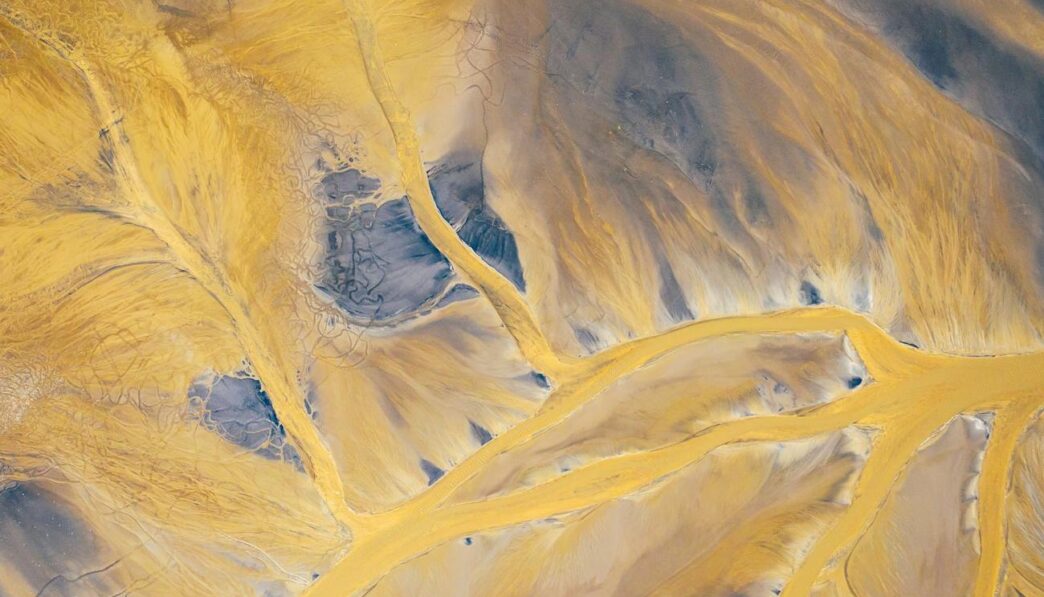
Explore the Phanerozoic Eon, Earth’s dynamic geological history from 538 million years ago to today, highlighting major eras, life evolution, and geological processes.

Explore how fossils preserve ancient life and reveal Earth’s history through body and trace fossils, fossilization processes, and modern paleontology techniques.

Explore the Proterozoic Eon, Earth’s longest geologic era from 2.5 billion to 539 million years ago, marked by oxygen rise and early multicellular life.

Explore Australopithecus, early hominins bridging apes and humans, revealing key insights into human evolution and our shared ancestry in Africa millions of years ago.

Explore the earliest life forms on Earth through fossil and rock evidence revealing ancient ecosystems and the origins of life.