

History of Botswana: From Ancient Tribes to Modern Republic
Explore Botswana’s rich history from ancient tribes and colonial times to its rise as a modern republic, highlighting key cultural and political milestones.
Explore Botswana’s rich history from ancient tribes and colonial times to its rise as a modern republic, highlighting key cultural and political milestones.

Explore how mass extinction events have shaped Earth’s biodiversity and why preserving species is vital for ecosystem balance and human survival.

Explore West Asia’s geography, diverse cultures, and population, highlighting its unique landscapes, ethnic groups, and significant global role.
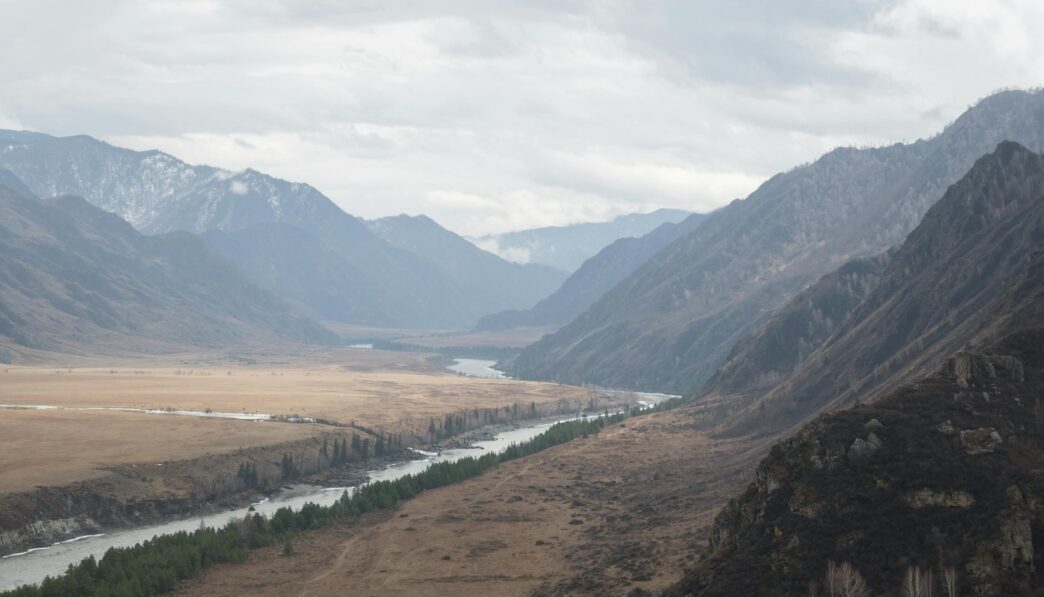
Explore Siberia, a vast region in North Asia known for its diverse landscapes, rich natural resources, and unique cultural heritage amid extreme climates.

Explore the Neolithic Revolution, the pivotal shift from foraging to farming that shaped human society and agriculture.

Explore animism, the belief that all nature and objects have spiritual essence, shaping cultural practices and modern ecological views worldwide.

Explore global population growth trends, rates, and future projections, and understand their impact on resources, society, and the environment.

Explore the vital roles of bacteria in ecosystems, human health, and food production. Understand their life mechanisms and debunk common myths about these microorganisms.

Explore the rich cultures and innovations of Pre-Columbian societies across the Americas, from the Inca road systems to Maya astronomy and sustainable farming.
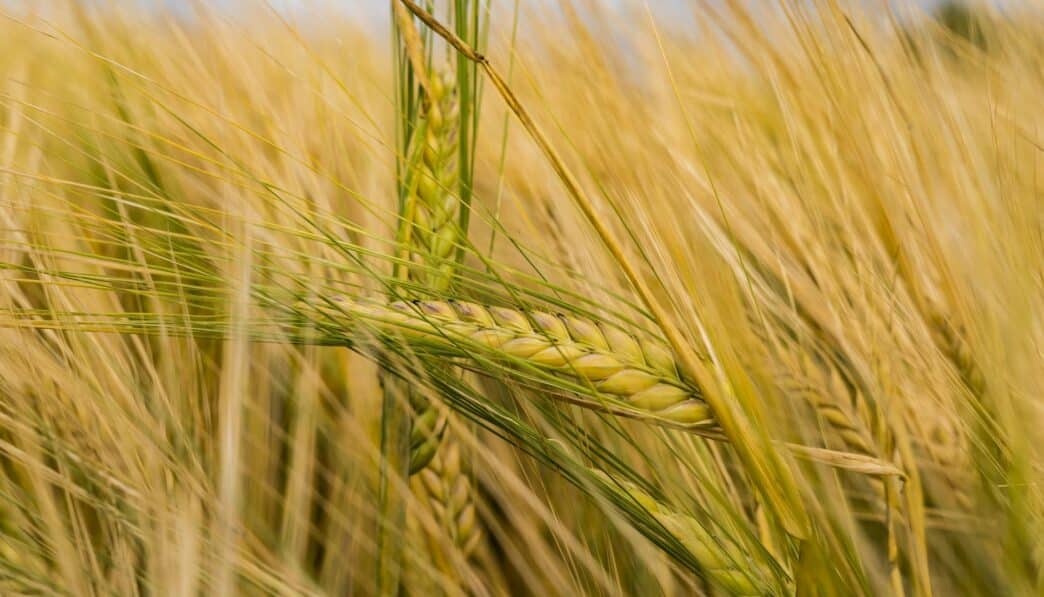
Barley is a versatile cereal grain with ancient origins, used in food, animal feed, and brewing. It thrives in diverse climates and supports sustainable farming.

Discover Earth’s unique position as the third planet from the Sun and explore its key characteristics that sustain life and shape our environment.

Explore future timelines highlighting key technological advancements and societal changes shaping our world and daily life in the years ahead.

Explore how greenhouse gases regulate Earth’s temperature and their impact on global warming and climate change affecting daily life and the planet.
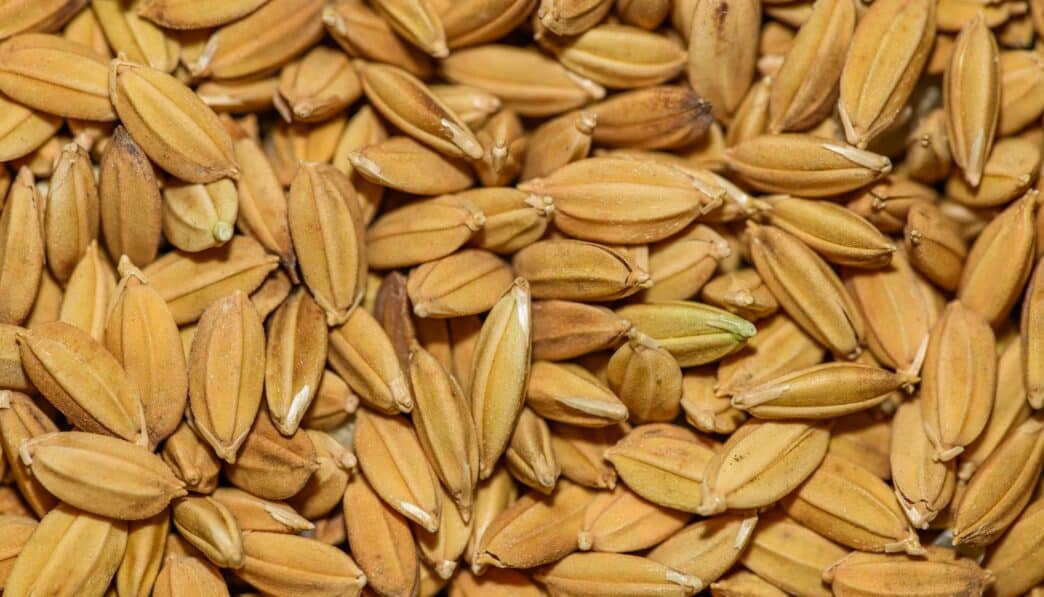
Cereal grains like rice, wheat, and corn are vital staple foods worldwide, providing essential nutrients and supporting global agriculture and diets.

Explore the Stone Age, its tools, culture, and early human life, revealing how our ancestors survived and evolved over millions of years.

Explore how natural science helps us understand the world through observation, experimentation, and empirical evidence, impacting daily life and technology.

Explore the practical benefits, cultural traditions, and adaptive strategies of nomadic lifestyles worldwide, highlighting their significance and diversity.

Explore the rich prehistory of Australia, tracing human habitation from 65,000 years ago to 1788 and the enduring legacy of Aboriginal cultures.

Explore the Goldschmidt classification of chemical elements and its vital role in geochemistry, mining, and environmental science.

Explore the basics of nuclear fusion, its potential as a clean energy source, and the challenges scientists face in making fusion a practical reality.