

The Iron Catastrophe: A Key Event in Earth’s Early Geological History
The Iron Catastrophe was a crucial early Earth event where iron and nickel formed the core, shaping the planet’s magnetic field and supporting life.
The Iron Catastrophe was a crucial early Earth event where iron and nickel formed the core, shaping the planet’s magnetic field and supporting life.

Explore Earth’s internal structure, its layers, and composition, and learn how this knowledge helps predict natural disasters and manage resources.

Discover hydrothermal vents, underwater fissures emitting superheated mineral-rich water that support unique ecosystems and reveal deep-sea secrets.

Explore how volcanoes form and erupt, their impact on climate and environment, and the benefits they bring to ecosystems and human life.
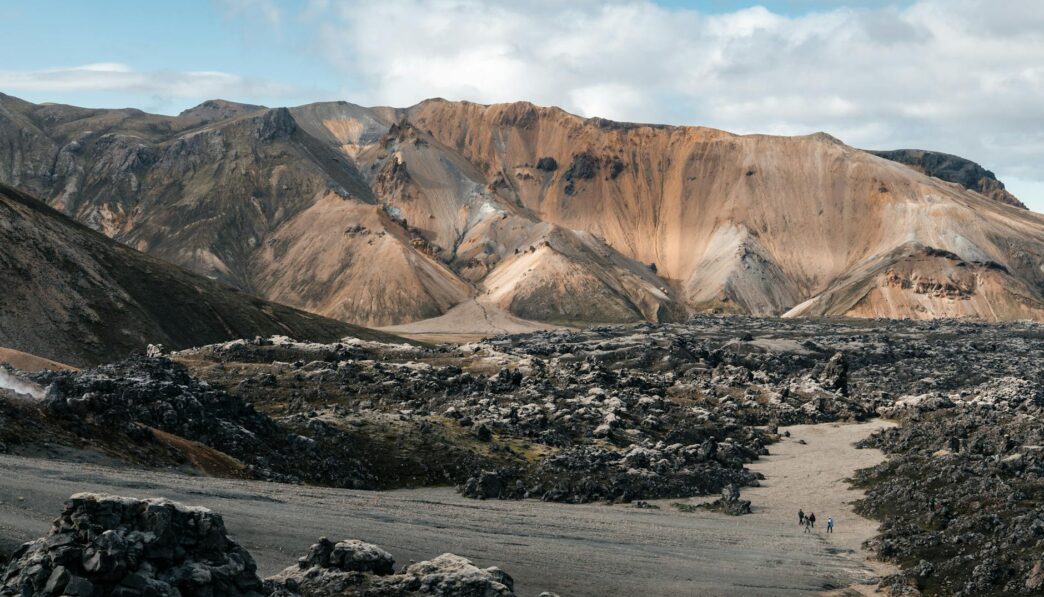
Explore how plate tectonics shape Earth’s surface, causing earthquakes, volcanic eruptions, and mountain formation through the movement of lithospheric plates.
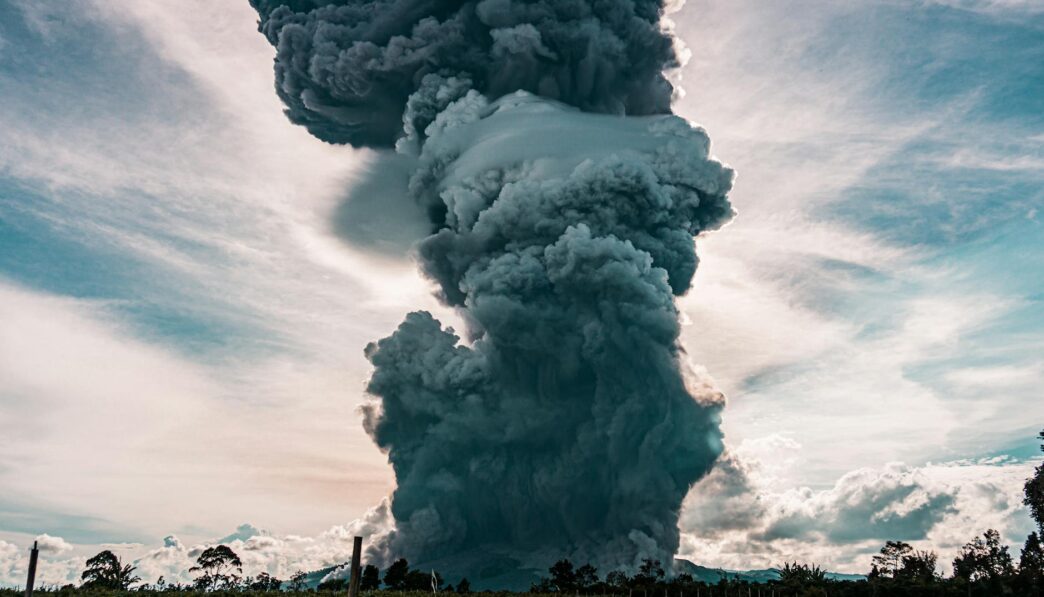
Explore the fundamentals of plate tectonics and the Earth’s lithosphere movement, understanding their impact on natural events and our planet’s future.

Discover Earth’s unique position as the third planet from the Sun and explore its key characteristics that sustain life and shape our environment.

Explore Ur, a hypothetical Archean supercontinent from 3.1 billion years ago, revealing early Earth structure and geological evolution insights.

Mid-ocean ridges are underwater mountain systems where new oceanic crust forms, influencing Earth’s geology, ocean dynamics, and unique marine ecosystems.
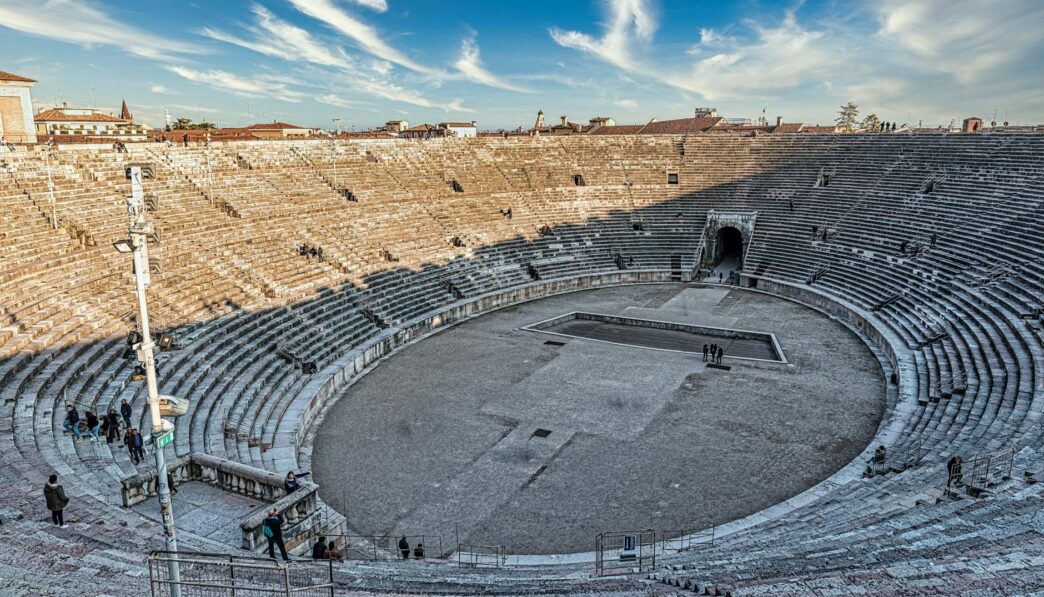
Explore Laurasia, the northern landmass of ancient Pangaea, and its crucial role in shaping Earth’s geology, climate, and biodiversity over millions of years.

Explore how volcanoes form, erupt, and impact our planet’s landscapes and climate. Understand their locations and the science behind their powerful eruptions.
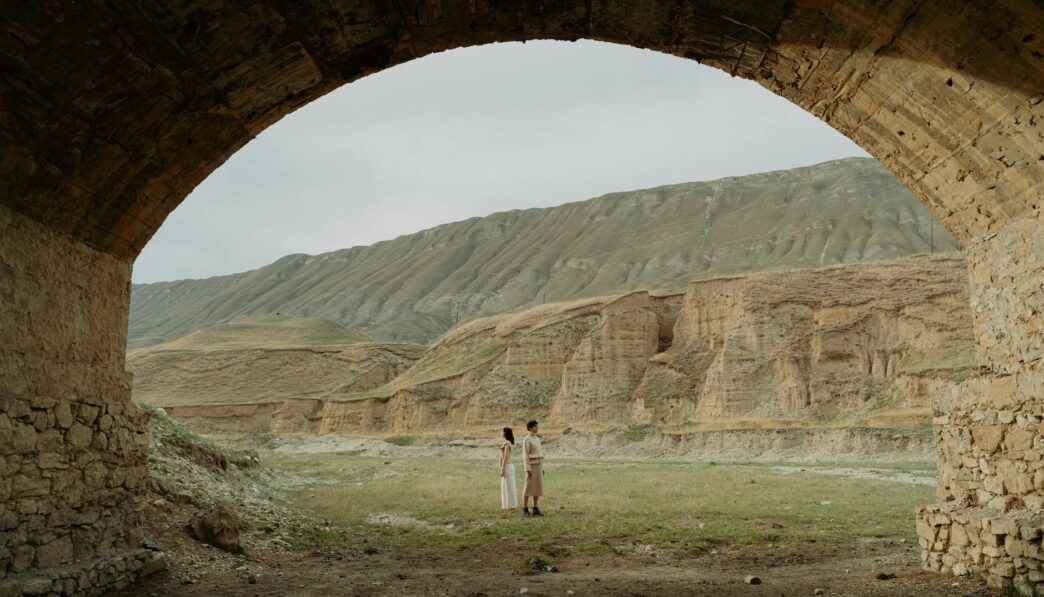
Explore Pangaea, Earth’s ancient supercontinent that shaped continents, climate, and biodiversity through its formation and breakup millions of years ago.

Explore Columbia, the ancient supercontinent from 1.6 billion years ago, and its role in shaping Earth’s geology, climate, and early life evolution.

Explore the structure and composition of the continental crust, the Earth’s outer rock layer supporting landmasses, ecosystems, and geological processes.

Explore the Cenozoic Era, Earth’s current geological period marked by mammal dominance and major climate changes shaping today’s ecosystems.

Explore Pannotia, a Neoproterozoic supercontinent from 600 million years ago, and learn how its formation shaped Earth’s geology and life evolution.