

Kenorland: A Hypothetical Supercontinent from the Neoarchaean Era
Explore Kenorland, a hypothetical Neoarchaean supercontinent formed 2.72 billion years ago, and its impact on Earth’s geological history and tectonic activity.
Explore Kenorland, a hypothetical Neoarchaean supercontinent formed 2.72 billion years ago, and its impact on Earth’s geological history and tectonic activity.

Explore the vital role of planetary crusts, from Earth’s minerals to tectonic activity and their impact on life, environment, and planetary evolution.

Explore greenstone belts, ancient metamorphosed rock zones in cratons rich in geological history and valuable mineral deposits.
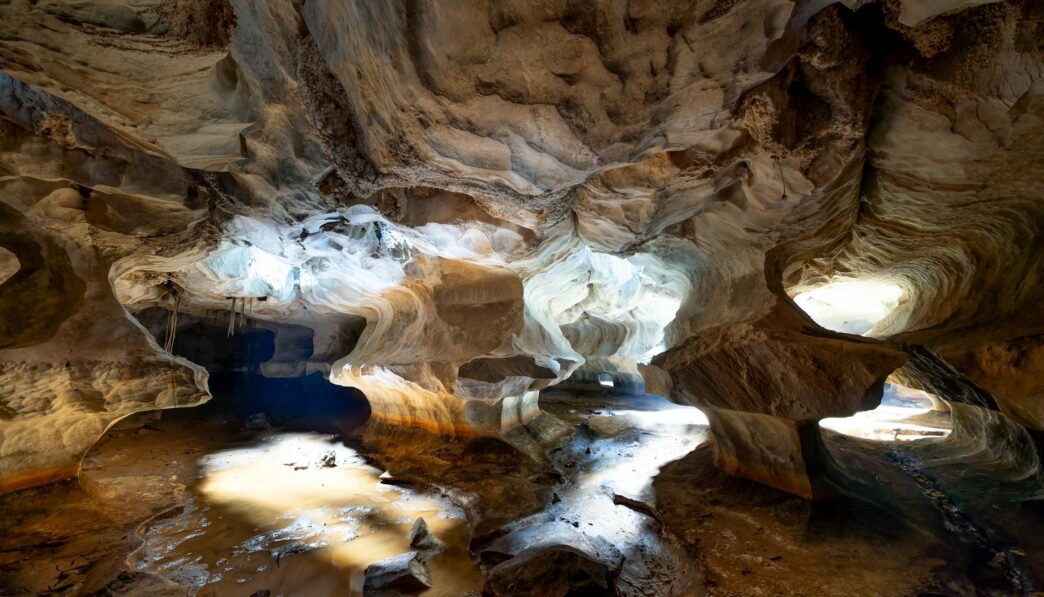
Explore Earth’s history through the geologic time scale, revealing how rock layers and fossils tell the story of life and geological events over billions of years.

Explore how Earth’s temperature increases with depth, the geothermal gradient, its causes, and its impact on energy and geology.

The Andes Mountains span seven South American countries, offering unique ecosystems, rich culture, and diverse outdoor activities like hiking and skiing.
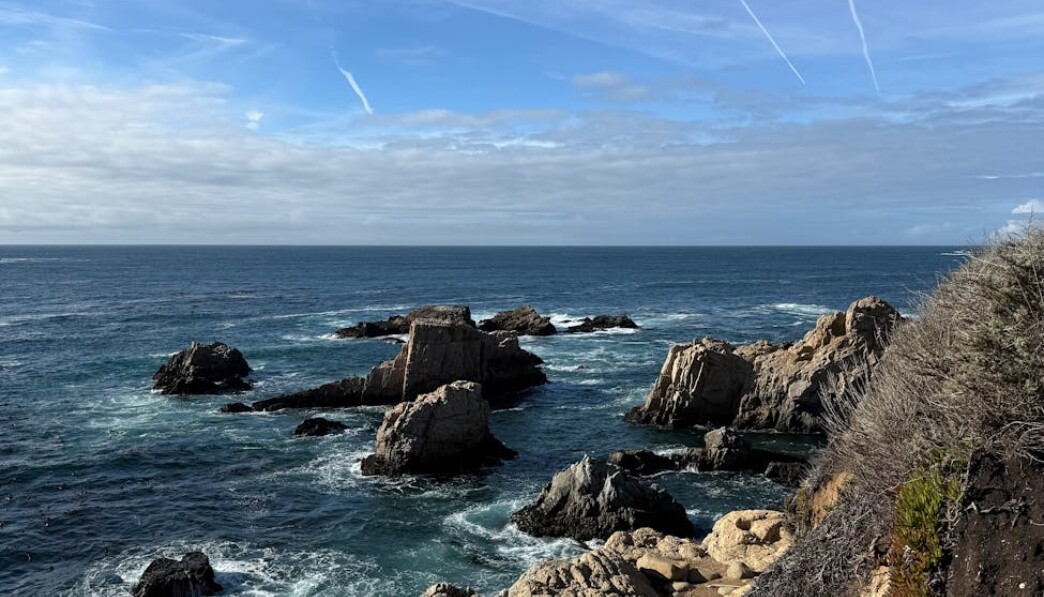
Explore the Hadean Eon, Earth’s earliest geological period marked by extreme conditions and the formation of the planet’s crust and atmosphere.
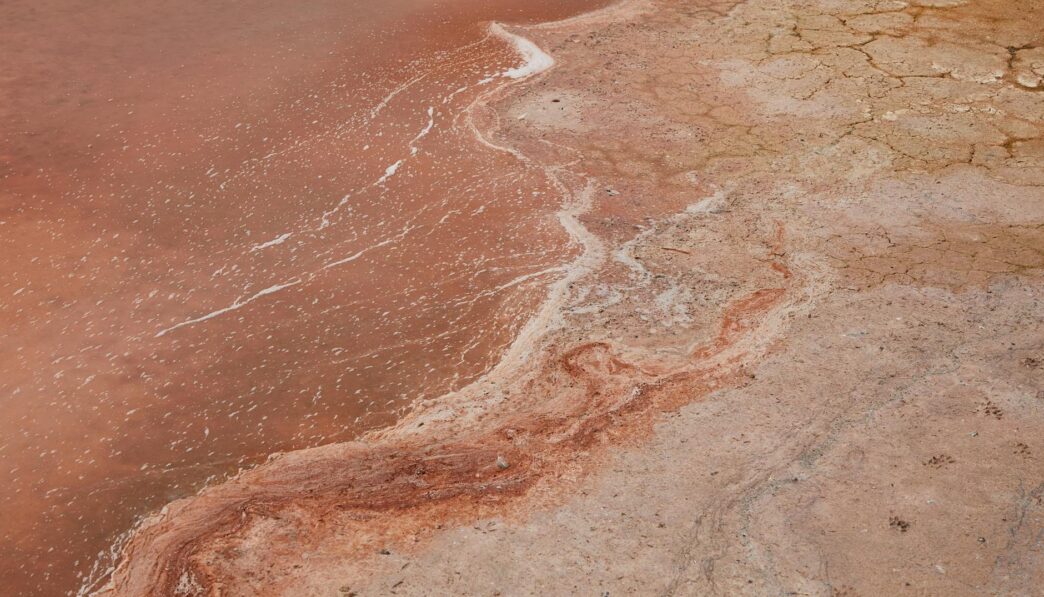
Discover how terranes, crust fragments moved by tectonic plates, reveal Earth’s history and impact natural hazard prediction and resource management.
Explore Rodinia, the ancient Neoproterozoic supercontinent, its formation, breakup, and impact on Earth’s geological history and climate evolution.

Explore the oldest dated rocks on Earth and uncover insights into our planet’s 4 billion-year history, including early conditions and formation processes.

Explore Laurentia, the ancient geological core of North America, its formation, key features, and impact on Earth’s geological and biological history.

Explore the oceanic crust’s composition, formation, and vital role in Earth’s geology and marine ecosystems beneath the ocean floor.
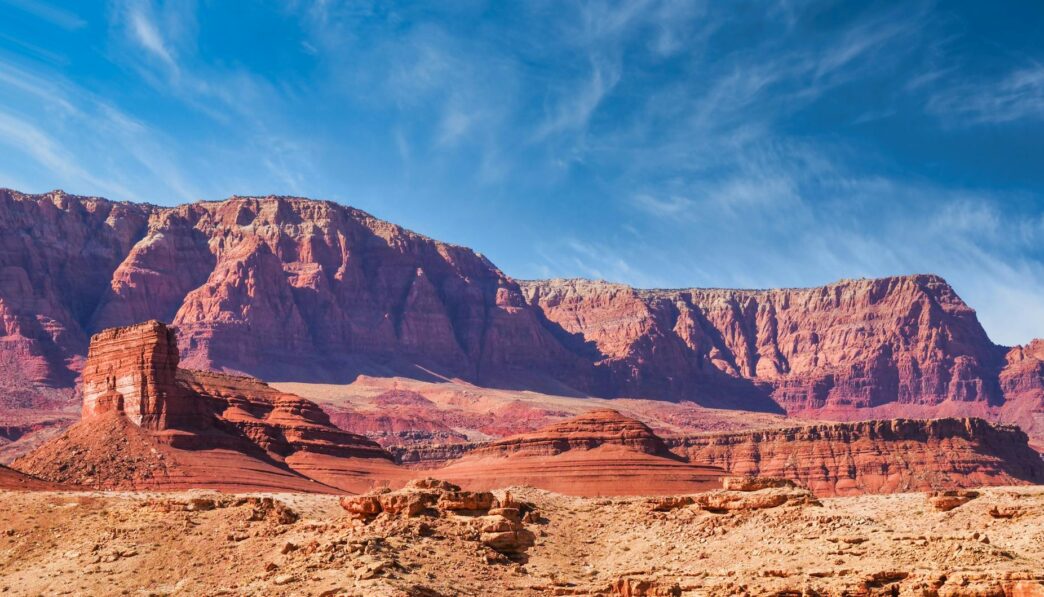
Cratons are ancient, stable parts of Earth’s continental lithosphere, offering insights into geological history and natural resources across continents.
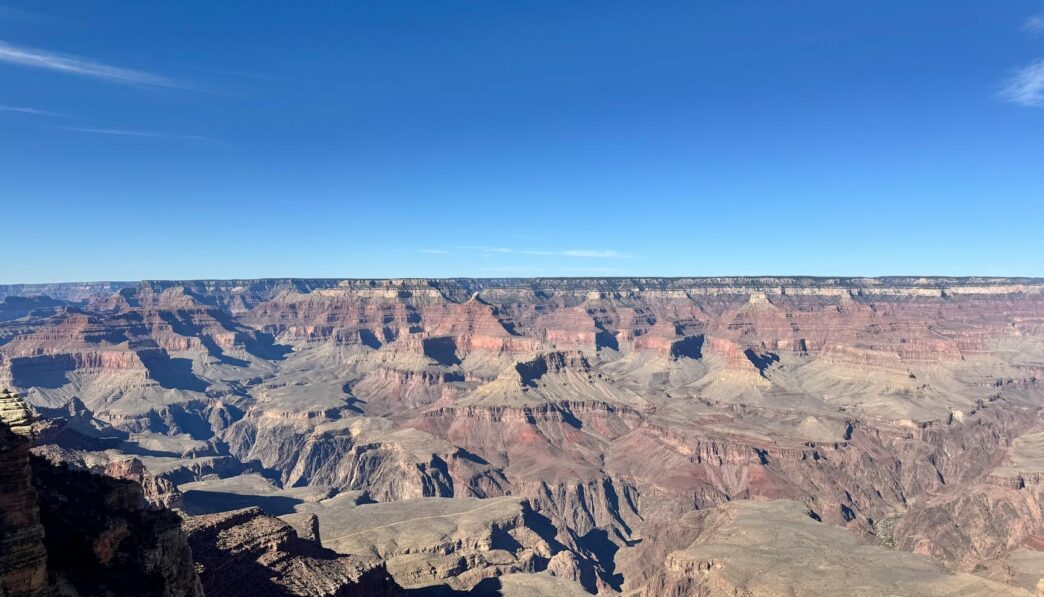
Explore Earth’s geological history, key events, and timeline to understand our planet’s evolution and its impact on climate and life.

Explore how metamorphism transforms rocks without melting, reshaping Earth’s geology through heat, pressure, and fluids to create unique metamorphic rocks.

Explore the formation and types of metasedimentary rocks, their geological significance, and their role in Earth’s history and modern applications.

Explore Earth’s physical composition and structure through geology, uncovering the planet’s layers, processes, and the science behind natural phenomena.

Granite is a durable igneous rock composed of quartz and feldspar, essential in architecture and geology, shaping landscapes and buildings.
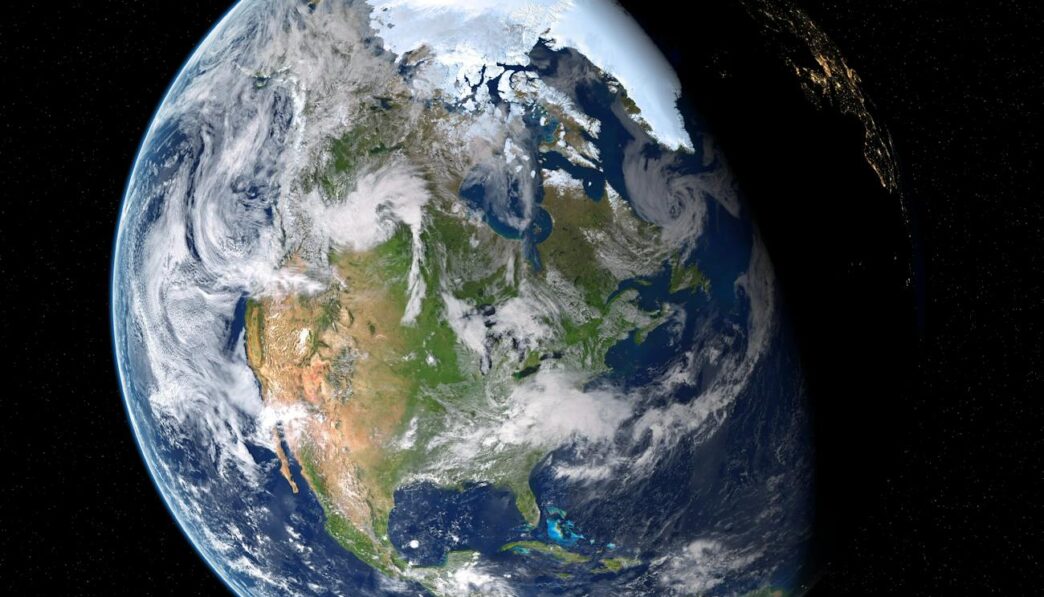
Explore the Earth’s inner core, its composition, structure, and vital role in geology and magnetic field generation beneath our feet.
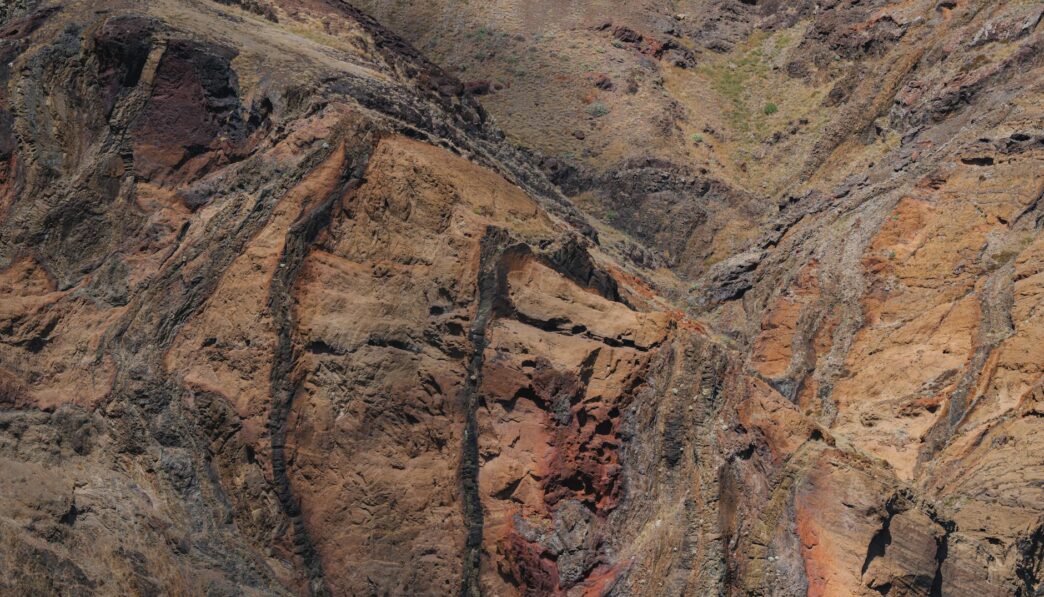
Explore how stratigraphy reveals Earth’s history through rock layers, fossils, and geological processes, impacting fields from resource management to environmental science.