

Geochronology: Understanding the Age of Rocks, Fossils, and Sediments
Explore how geochronology reveals the age of rocks, fossils, and sediments to uncover Earth’s history and evolution over millions of years.
Explore how geochronology reveals the age of rocks, fossils, and sediments to uncover Earth’s history and evolution over millions of years.

Tonalite is a coarse-grained igneous rock used in construction and design for its durability and unique appearance, also important for geological studies.

Explore how mantle convection drives Earth’s tectonic movements and influences geological events like earthquakes and volcanic eruptions shaping our planet.

Discover the Earth’s mantle, the thick layer between the core and crust that drives tectonic activity, volcanic eruptions, and influences climate.

Explore the key characteristics and composition of felsic igneous rocks, including their formation, mineral content, and significance in geology and daily life.

Explore the key features and geological significance of oceanic trenches, the deepest parts of our oceans vital to Earth’s ecosystems and plate tectonics.

Explore how subduction shapes Earth’s surface, triggers earthquakes, and forms mountains, highlighting its importance in geology and disaster preparedness.

Explore the Proterozoic Eon, Earth’s longest geologic era from 2.5 billion to 539 million years ago, marked by oxygen rise and early multicellular life.

Explore Vaalbara, Earth’s first hypothetical supercontinent, its geological significance, and how it shaped our planet’s early continental formation and tectonic processes.
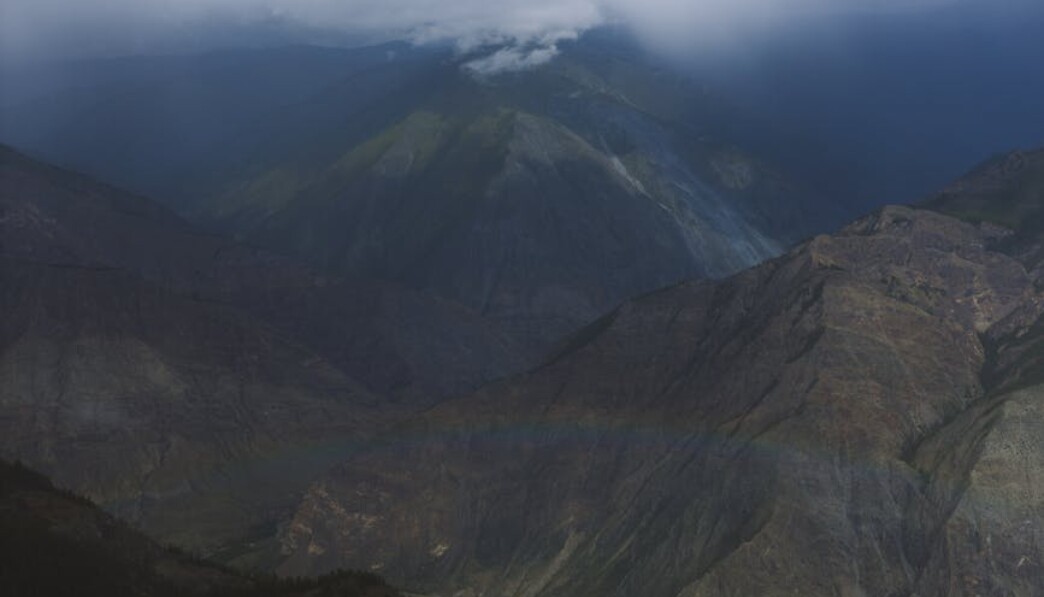
Explore the geologic time scale and Earth’s history, from ancient eons to human impact, revealing how geology shapes our world and future research.