

Understanding Chronology: The Science of Arranging Events in Time
Chronology arranges events in time, helping us understand history, culture, and science through accurate timelines and contextual analysis.
Chronology arranges events in time, helping us understand history, culture, and science through accurate timelines and contextual analysis.

Explore the meaning and use of Common Era (CE) and Before Common Era (BCE) date notations as inclusive, secular alternatives to traditional AD and BC.

Explore Canada’s rich history from Indigenous cultures to Confederation and modern governance, understanding its impact on today’s multicultural society.

Explore the timeline of ancient history from the dawn of recorded history to the Early Middle Ages, highlighting key innovations and major civilizations.

Explore how timelines from 1400 to today help us understand historical events and their impact on modern society and culture.

Explore major events from the 5th to 15th century that shaped post-classical history, including cultural, political, and technological transformations worldwide.

Explore how geochronology reveals the age of rocks, fossils, and sediments to uncover Earth’s history and evolution over millions of years.

Explore the key events and transformations from the 5th to 15th century that shaped post-classical history and influenced modern societies worldwide.
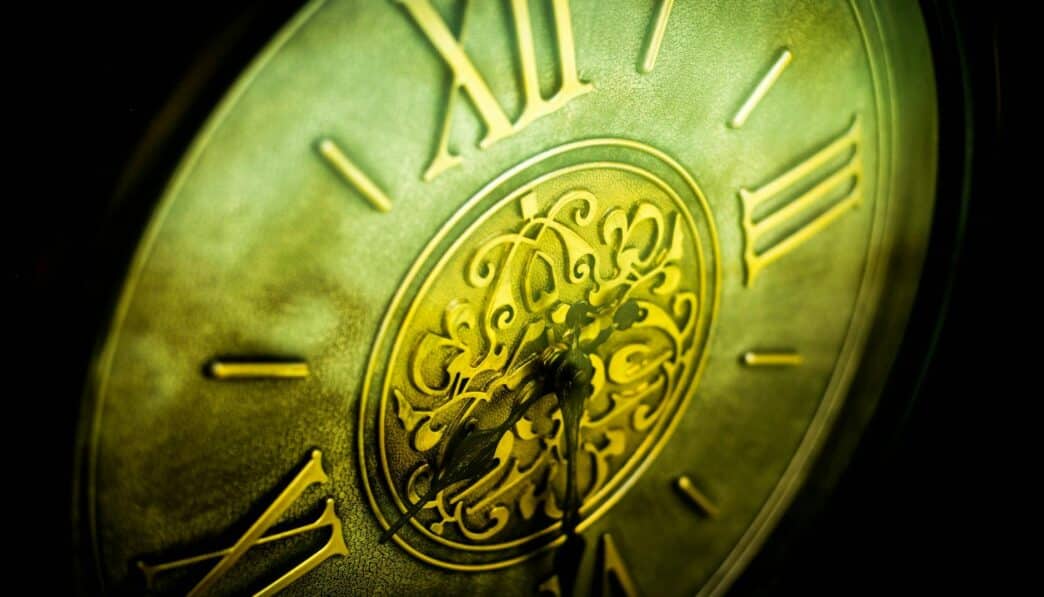
Periodization helps us understand history by dividing it into distinct time blocks, revealing patterns and cultural shifts from ancient times to modern society.

Explore the importance of timelines in understanding human history from prehistory to the modern era and how they shape our perspective.

Explore the earliest life forms on Earth through fossil and rock evidence revealing ancient ecosystems and the origins of life.