

Understanding Common Era and Before Common Era Date Notations
Explore the meaning and use of Common Era (CE) and Before Common Era (BCE) date notations as inclusive, secular alternatives to traditional AD and BC.
Explore the meaning and use of Common Era (CE) and Before Common Era (BCE) date notations as inclusive, secular alternatives to traditional AD and BC.

Abaangui is a figure from Guarani mythology, which originates from the indigenous Guarani people in South America, particularly in Paraguay, Brazil, and Argentina.

Explore Armenia’s rich history from ancient times through modern influences, highlighting key events, cultural evolution, and the nation’s enduring identity.

Discover ochre, a natural earth pigment with unique color variations used in art, industry, and culture, valued for its earthy tones and versatility.

Explore the Adena culture, a pre-Columbian Native American society known for burial mounds, agriculture, and rich traditions from 500 BC to 100 AD.
Discover Ba, the Chinese goddess of drought, embodying nature’s dual power to nurture and destroy, with tales of protection and punishment.
Aba-khatun is a goddess from the mythology of the Chuvash people, an ethnic group in Russia. Their mythology includes a blend of Turkic and Finno-Ugric elements.

Sima Qian, father of Chinese historiography, authored the Shiji, a comprehensive history of China during the Han dynasty, influencing historians worldwide.

Explore Judaism’s beliefs, practices, and cultural diversity, from Shabbat to ethical values and environmental commitments shaping Jewish life.
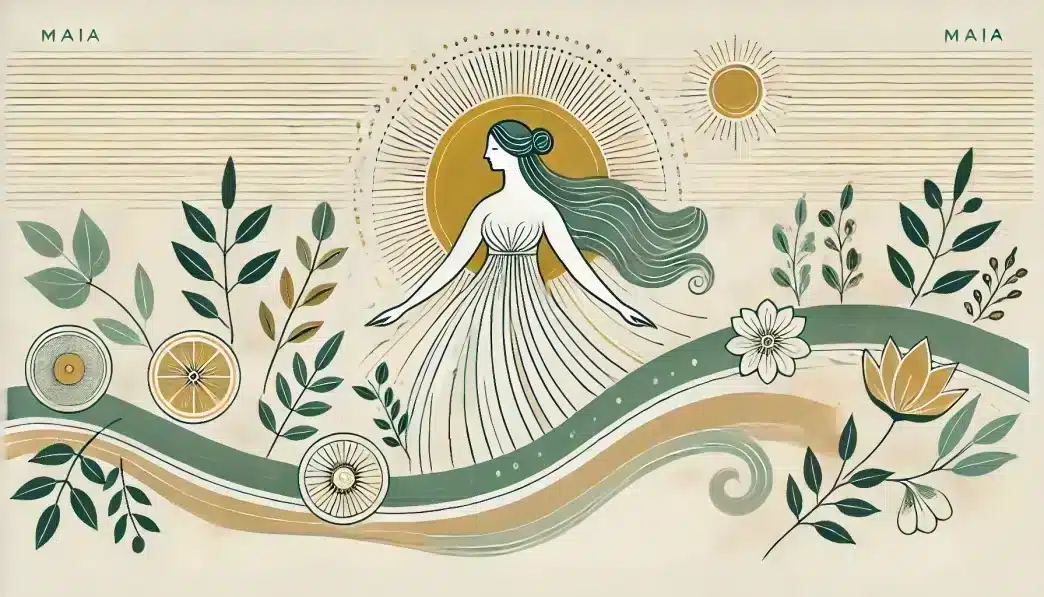
Maia is the Roman goddess of growth, fertility, and spring, linked to the month of May and celebrated for her role in nature’s renewal and abundance.

Paleolithic bone flutes are the earliest musical instruments from Europe, revealing prehistoric music’s role in human culture and social connections.

Discover Geoffrey of Monmouth, a 12th-century historian and bishop whose works shaped British history and the legend of King Arthur.