

Kenorland: A Hypothetical Supercontinent from the Neoarchaean Era
Explore Kenorland, a hypothetical Neoarchaean supercontinent formed 2.72 billion years ago, and its impact on Earth’s geological history and tectonic activity.
Explore Kenorland, a hypothetical Neoarchaean supercontinent formed 2.72 billion years ago, and its impact on Earth’s geological history and tectonic activity.

The Iron Catastrophe was a crucial early Earth event where iron and nickel formed the core, shaping the planet’s magnetic field and supporting life.
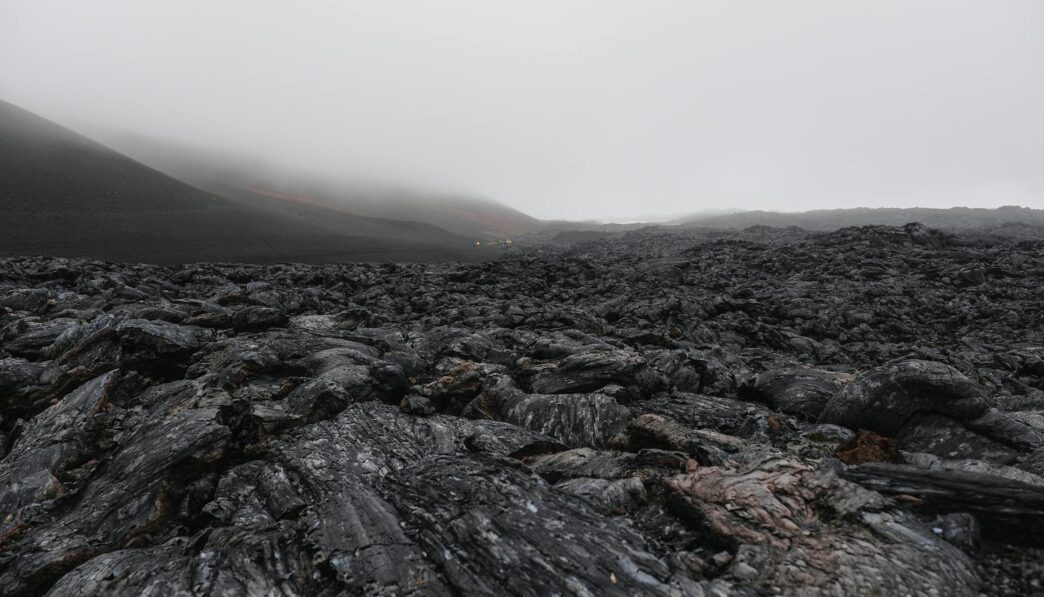
Explore how igneous rocks form from cooling magma and lava, their types, characteristics, and importance in Earth’s geology and daily life.
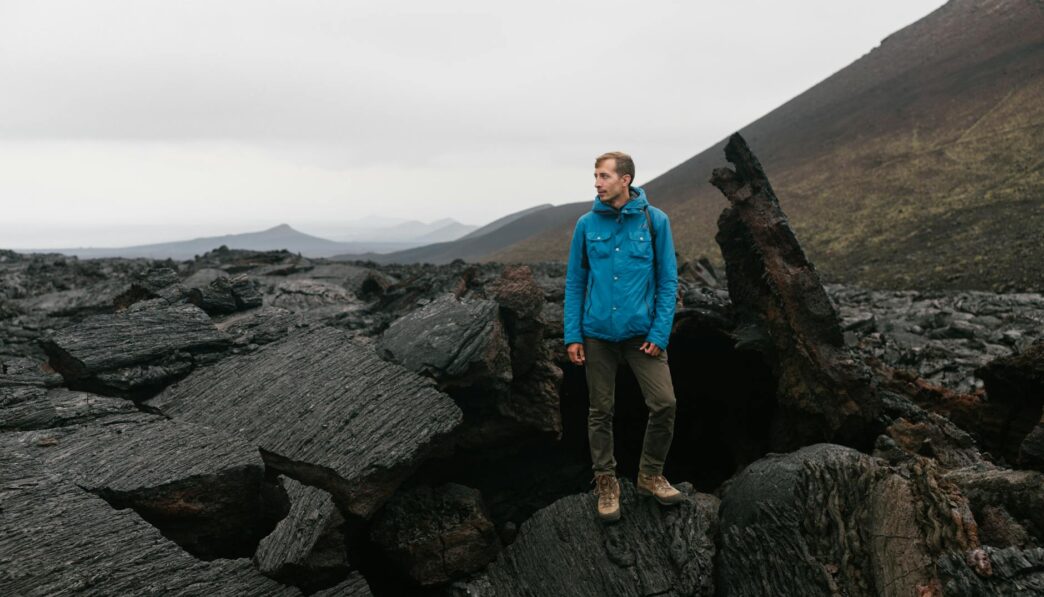
Explore how volcanoes form and erupt, their impact on climate and environment, and the benefits they bring to ecosystems and human life.

Explore the Snowball Earth hypothesis, detailing global glaciation events during the Proterozoic Eon and their impact on Earth’s climate and life.

Discover the Ethiopian Highlands, Africa’s highest mountain range, known for its unique ecosystems, rich biodiversity, and cultural heritage.

Explore the process of partial melting in rocks and its key role in volcanic activity, rock formation, and natural resource creation in geology.

Explore how mass extinction events have shaped Earth’s biodiversity and why preserving species is vital for ecosystem balance and human survival.
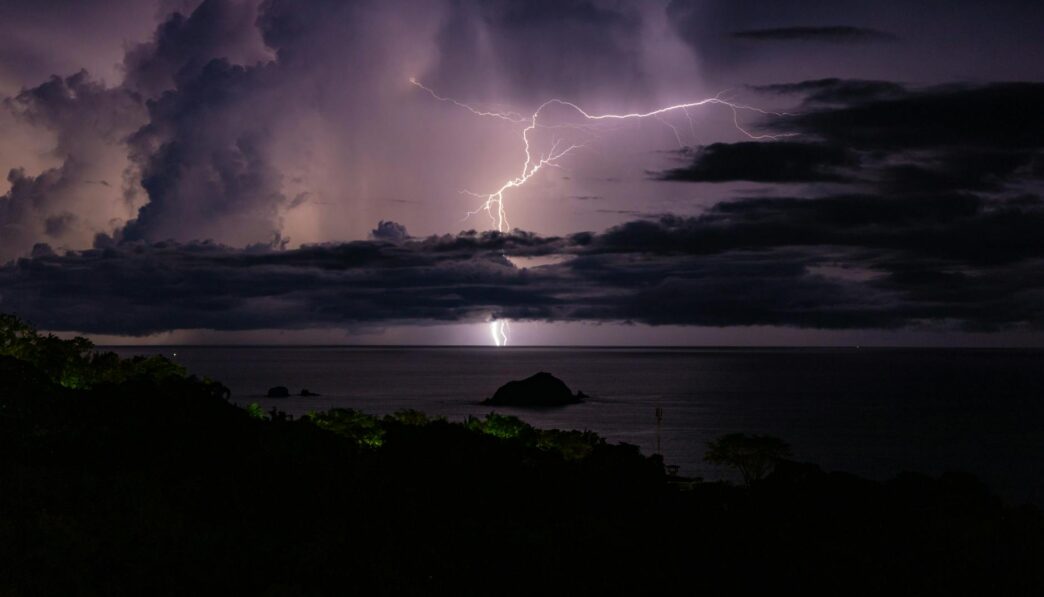
Volatiles are elements and compounds that vaporize easily and shape planetary geology, influencing volcanic activity and atmospheres on planets and moons.

Crater counting estimates planetary surface age by analyzing impact craters, revealing geological history and activity on bodies like the Moon and Mars.

Explore the Hadean Eon, Earth’s earliest geological period from 4567 to 4031 million years ago, revealing the planet’s formation and early processes.

Explore the formation and development of Early Earth during its first billion years, revealing the origins of life and planetary evolution.
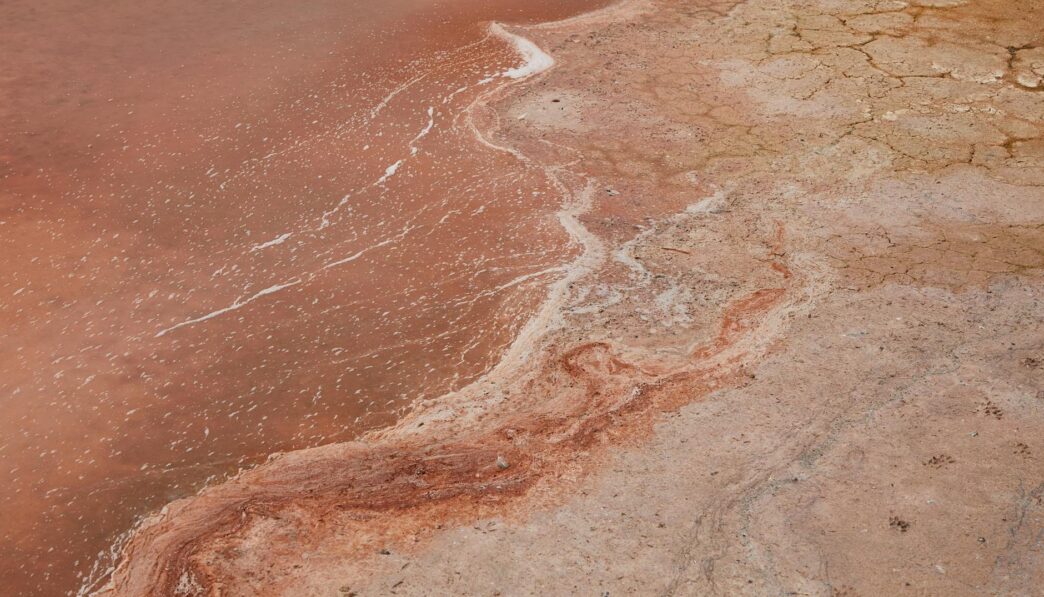
Discover how terranes, crust fragments moved by tectonic plates, reveal Earth’s history and impact natural hazard prediction and resource management.

Explore how volcanoes form, erupt, and impact our planet’s landscapes and climate. Understand their locations and the science behind their powerful eruptions.
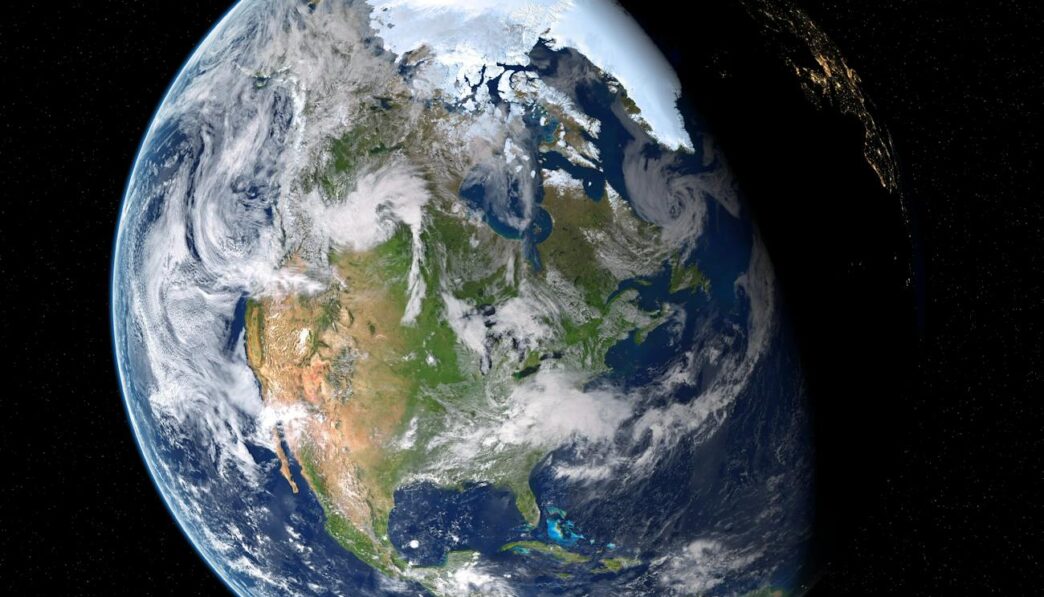
Explore the Earth’s inner core, its composition, structure, and vital role in geology and magnetic field generation beneath our feet.

Explore the structure and composition of the continental crust, the Earth’s outer rock layer supporting landmasses, ecosystems, and geological processes.

Explore how geochronology reveals the age of rocks, fossils, and sediments to uncover Earth’s history and evolution over millions of years.

Explore the primitive mantle’s role in Earth’s formation, geology, and climate science, revealing how early chemical composition shapes our planet today.

Explore the key features and geological significance of oceanic trenches, the deepest parts of our oceans vital to Earth’s ecosystems and plate tectonics.

Explore how subduction shapes Earth’s surface, triggers earthquakes, and forms mountains, highlighting its importance in geology and disaster preparedness.