
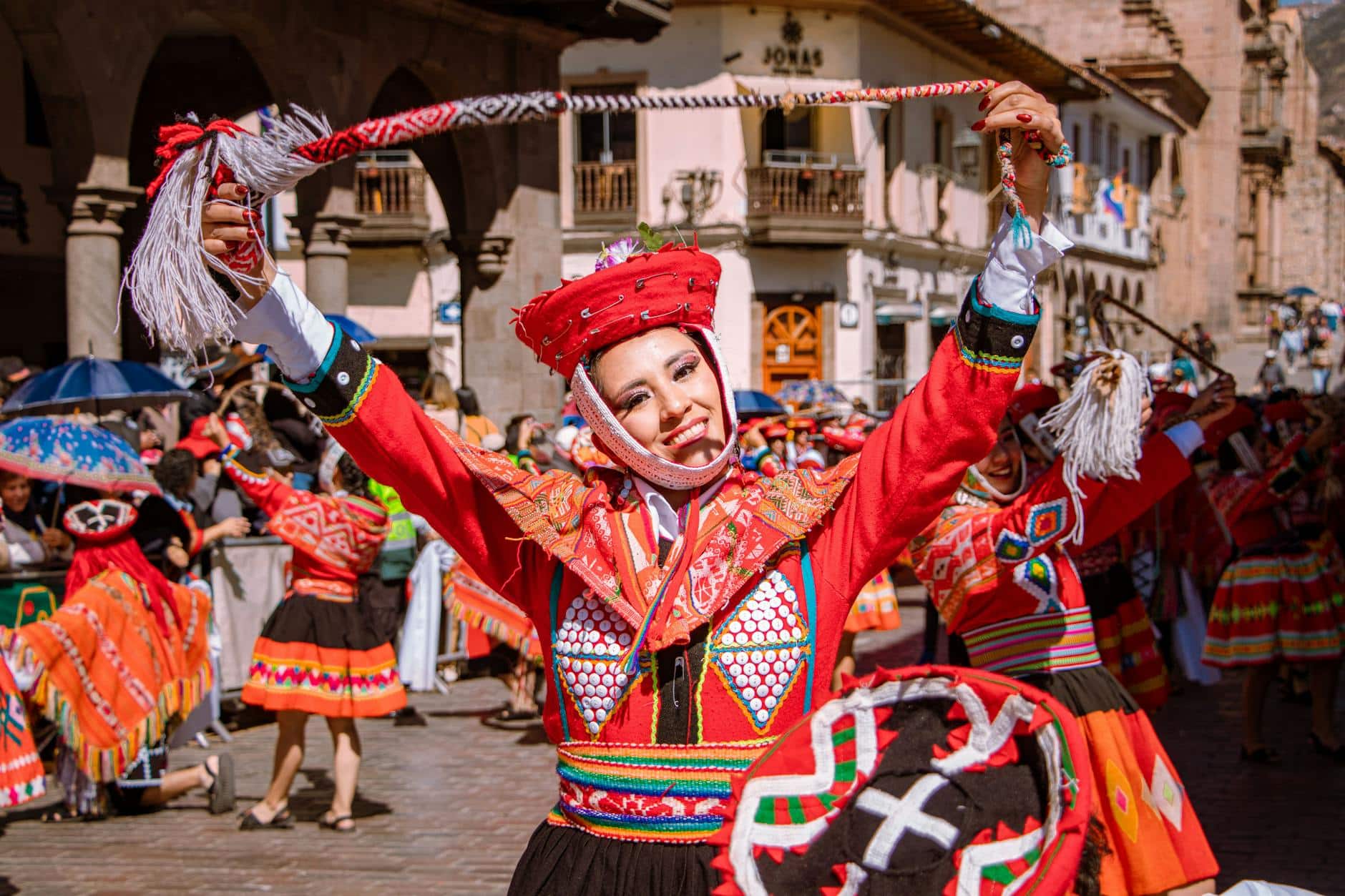
Many people think dance is just a form of entertainment. This view overlooks its deeper cultural significance. Dance encompasses various expressions and rituals that connect communities. Readers will gain a clearer understanding of dance's multifaceted role in society.
The Evolution of Dance Throughout Human History and Culture
Dance has been an integral part of human culture, serving as an art form, ritual, and means of expression across various societies throughout history. It connects people, conveys emotions, and reflects cultural identities, enriching social interactions and personal experiences.
The history of dance is complex due to its ephemeral nature; unlike artifacts such as tools or paintings, dance leaves little behind for historians to study directly. However, it serves as a window into the aesthetic values, symbols, and cultural heritage of communities worldwide.
The Emotional Connection
Dance evokes strong emotions and fosters connections between individuals. Whether in celebration or mourning, movement allows for the expression of feelings that words often cannot convey. This emotional bond underscores dance’s power as a form of communication.
Dancing as a Social Tool
Historically, dance has functioned as a social tool among early humans, promoting cooperation and unity essential for survival. Research indicates that exceptional dancers often share specific genes associated with social communication skills. The concept of “kinesthetic” communication describes how individuals perceive their movements and those of others. Group performances enable participants to develop bonds through shared movement and rhythm.
A Journey Through Time: Dance Across Eras
From Primitive Rituals to Modern Stages
Dance has roots in ancient rituals, celebrations, and entertainment. Archaeological findings reveal traces of dance from prehistoric times, such as cave paintings from the Bhimbetka rock shelters in India dating back 10,000 years and Egyptian tombs depicting dancing figures from around 3300 BC. Many contemporary dance forms can trace their lineage back to these ancient traditions.
The Influence of Historical Events on Dance Styles
Historical events have significantly shaped different dance styles over time. Dances were performed as rituals to appease deities or celebrate communal events. As societies evolved, these dances transitioned from folk origins to more structured performances seen in court presentations and theatrical productions.
How It Works: The Science Behind Dance
Neurological Benefits and Brain Activity
Dancing activates various areas of the brain responsible for coordination, memory, and emotion regulation. Engaging in dance enhances cognitive function by fostering neural connections and improving overall brain health.
The Role of Rhythm and Coordination
Rhythm is fundamental to dance; it synchronizes movement with music or beats. Coordination between body parts is crucial for executing complex steps smoothly. Together, rhythm and coordination create engaging performances that captivate audiences.
Global Perspectives: Diversity in Dance Forms
Regional Styles and Their Unique Features
Diverse cultures have developed unique dance forms that reflect their traditions and values. For instance, Indian classical dances like Bharatanatyam are rich in storytelling through intricate movements, while African dances often emphasize community participation and spirituality.
Fusion of Cultures Through Dance
Dance serves as a medium for cultural fusion, blending elements from various traditions to create new styles. This blending is evident in global phenomena such as salsa dancing, which combines Afro-Cuban rhythms with European influences.
Common Myths About Dance Debunked
Dance is Only for the Young and Fit
A common misconception is that only young or fit individuals can dance well. In reality, dance is accessible to all ages and body types. Many styles accommodate varying abilities, allowing everyone to express themselves through movement.
You Need Formal Training to Enjoy Dancing
Another myth is that formal training is necessary to enjoy dancing. While training can enhance skills, many people find joy in spontaneous dancing without any formal background. The essence of dance lies in its ability to bring happiness and connection rather than perfection.
The Future of Dance: Technology and Innovation
Virtual Reality and Dance Experiences
The rise of technology has introduced virtual reality (VR) into the world of dance. VR experiences allow users to engage with immersive environments where they can learn or perform dances without physical limitations. This innovation opens new avenues for creativity and accessibility in dance education.
Social Media’s Impact on Dance Trends
Social media platforms have revolutionized how dance trends spread globally. Dances can go viral overnight, influencing styles across different cultures. Platforms like TikTok have become breeding grounds for new choreography that resonates with audiences worldwide.
Emotional Benefits: More Than Just Moving Your Feet
Dance as a Stress Reliever
Dancing provides an effective outlet for stress relief. Engaging in movement releases endorphins that elevate mood while reducing anxiety levels. Many people turn to dance not only for exercise but also as a form of emotional release.
The Therapeutic Aspects of Movement
Movement therapy through dance promotes healing for both mental and physical health issues. Therapeutic practices incorporate dance to help individuals express emotions non-verbally while encouraging physical rehabilitation through movement.
The evolution of dance reflects humanity’s diverse experiences across time and culture. As an expressive art form rooted in emotion and community connection, it continues to adapt while remaining a vital aspect of human life.
Sources
- History of dance – Wikipedia
- dance-teacher.com
- www.broadsheet.com.au
- www.npr.org
- www.science.org
- doi.org
- api.semanticscholar.org
- www.livescience.com
- books.google.com
- panhistoria.com
- books.google.com
Afterword
Dance is often seen merely as a performance, but it serves much more than that. By exploring its cultural and social dimensions, the complexities of dance become more apparent.
Articles
- History of Philosophy: Evolution of Thought from Ancient to Modern Times
- Coping with Changes in Your Partner: Understanding Relationship Evolution
- Understanding Legal History: The Evolution and Change of Law
- History of Theatre: Development and Evolution Over 2,500 Years
- Human Evolution: Understanding the Origins of Homo sapiens
- Human Evolution: The Journey to Anatomically Modern Humans
Days
- September 14: Cochabamba Day (Bolivia)
- September 13: Uncle Sam Day (United States)
- September 10: Caramel Cheesecake Day (United States)
- September 10: Swap Ideas Day (United States)
- September 8: Ampersand Day (United States)
- September 7: Constitution Day (Fiji)
Why do you keep falling for the same type?
Read the article Lovemaps: the hidden blueprint of our love.
Did you not find what you were looking for? Let me help you find more.
