
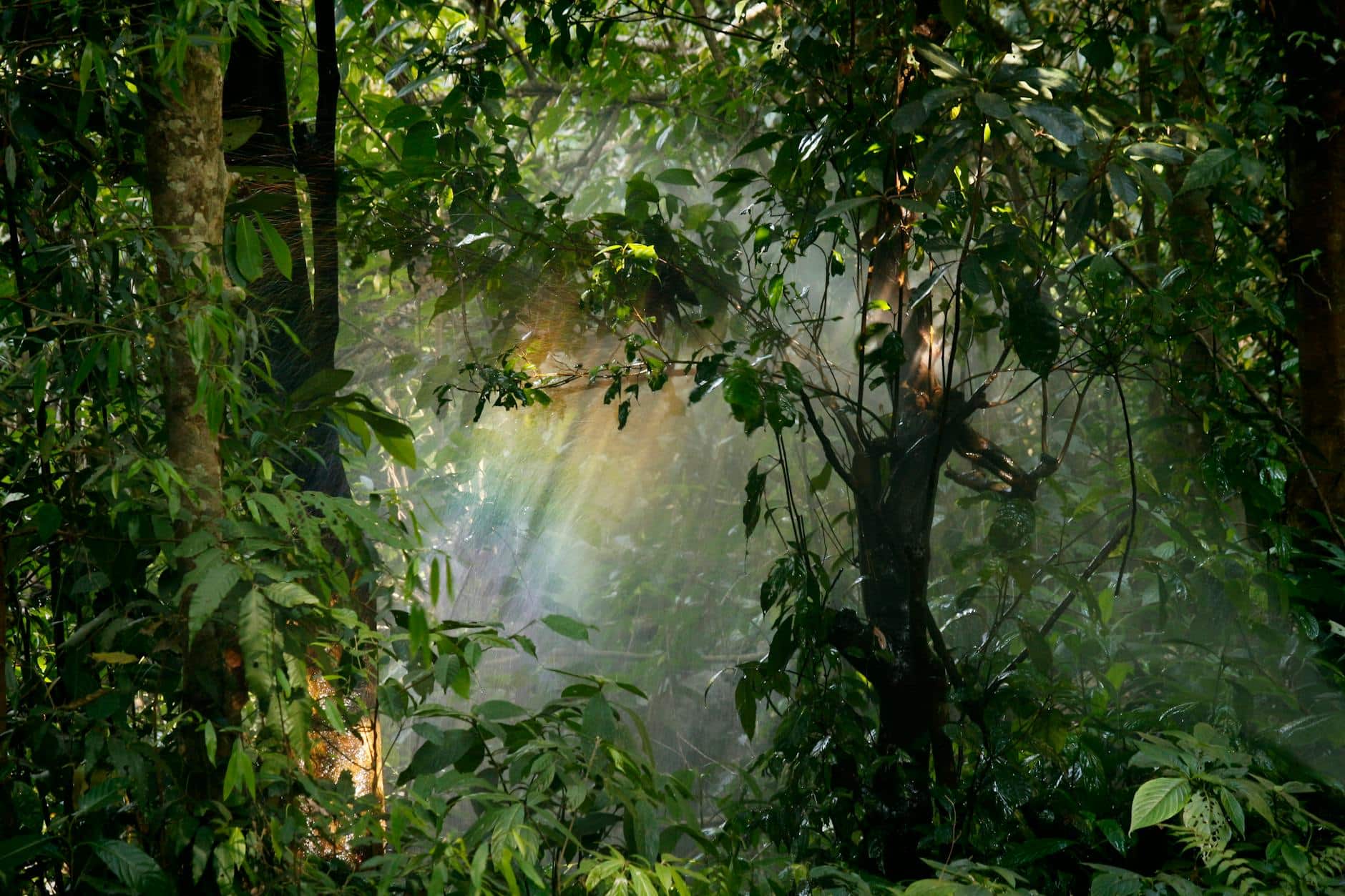
The Dawn of Oxygen: A Breath of Fresh Air
In Earth’s distant past, oxygen levels were dramatically low, impacting the very fabric of life. The Great Oxidation Event (GOE) refers to a pivotal period in Earth’s history, approximately 2.4 billion years ago, when free oxygen began to accumulate in the atmosphere. This transformation had profound implications for all living organisms and the planet’s climate. Understanding this event reveals how life evolved and how oxygen became essential for complex organisms.
Why Oxygen Matters Today
Oxygen is crucial for most life forms on Earth, enabling cellular respiration and providing energy necessary for survival. Its presence allows for diverse ecosystems and complex life forms to thrive. However, the path to our current oxygen-rich atmosphere was fraught with challenges and changes that shaped the course of evolution.
The Link to Life as We Know It
The rise of oxygen during the GOE marked a significant shift from anoxic (oxygen-poor) conditions to an oxic (oxygen-rich) environment. This transition allowed aerobic organisms to flourish while leading to the extinction of many anaerobic species that could not tolerate oxygen. Thus, the GOE set the stage for the evolution of multicellular life and the biodiversity we see today.
How Oxygen Changed the Game
From Poison to Power: The Transformation
Initially, oxygen was toxic to many early life forms that thrived in an anaerobic environment. The accumulation of free oxygen likely caused mass extinctions among these organisms, drastically altering the biosphere. Over time, however, some organisms adapted to utilize oxygen for energy production through aerobic respiration, transforming it from a poison into a vital resource.
Impact on Early Life Forms
Evidence suggests that the rise in oxygen levels led to significant evolutionary changes. Organisms capable of using oxygen began to dominate, paving the way for complex life forms like plants and animals. This shift also affected geological processes, influencing mineral formation and nutrient cycles across the planet.
How It Works: The Science Behind Oxygen Production
The Role of Photosynthesis
Photosynthesis is the process by which organisms like plants and cyanobacteria convert light energy into chemical energy, producing oxygen as a byproduct. During the GOE, cyanobacteria played a crucial role by releasing vast amounts of oxygen into the atmosphere through photosynthesis, effectively changing Earth’s atmosphere forever.
Cyanobacteria: The Unsung Heroes
Cyanobacteria were among the first organisms to evolve photosynthesis that produced oxygen. Their ability to harness sunlight paved the way for increased atmospheric oxygen levels. Fossil evidence indicates that these microorganisms existed as early as 3.5 billion years ago, highlighting their importance in Earth’s history.
Unpacking the Timeline: Key Events in Earth’s Oxygenation
The Stages of Change
- Stage 1 (3.85:2.45 Ga): Minimal O2 presence; oceans were largely anoxic.
- Stage 2 (2.45:1.85 Ga): Oxygen production begins; absorbed by oceans and seabed rock.
- Stage 3 (1.85:0.85 Ga): Oxygen starts to gas out from oceans; no significant increase in atmospheric levels.
- Stages 4 and 5 (0.85 Ga : present): Continued accumulation of oxygen in the atmosphere.
Global Effects on Climate and Life
The increase in atmospheric oxygen had sweeping effects on climate patterns and biological diversity. It likely contributed to global cooling events due to its impact on greenhouse gases like methane. As organisms adapted to utilize oxygen, ecosystems diversified significantly.
Common Myths About the Great Oxidation Event
Myth 1: Oxygen Was Always Abundant
Many people assume that Earth’s atmosphere has always contained ample amounts of oxygen. In reality, significant levels of free oxygen only emerged after billions of years of biological evolution.
Myth 2: All Life Thrived with Rising Oxygen Levels
This myth overlooks that rising oxygen initially caused extinctions among anaerobic organisms unable to adapt. The transition was not universally beneficial; it created both challenges and opportunities for life’s evolution.
The Ripple Effect: Consequences Beyond Earth’s Surface
Geological Changes Triggered by Oxygen
The Great Oxidation Event drove significant geological changes as well. The presence of free oxygen influenced mineral formation within Earth’s crust and altered nutrient cycles across ecosystems.
The Evolution of Complex Life Forms
This increase in atmospheric oxygen allowed for more complex biological systems to develop over time, including multicellular organisms and eventually animals. These changes fundamentally shaped Earth’s biosphere as we know it today.
Lessons from the Past: What We Can Learn Today
Implications for Modern Climate Change
The lessons from Earth’s past offer insights into current climate challenges. Understanding how shifts in atmospheric composition affect ecosystems can help inform strategies for addressing modern environmental issues related to climate change.
The Future of Earth’s Atmosphere
The ongoing changes in our atmosphere highlight a complex interplay between biological activity and environmental conditions. Monitoring these changes can provide crucial information about future trends in climate and biodiversity.
The Great Oxidation Event remains a critical chapter in Earth’s history, illustrating how life can radically transform planetary conditions over geological timescales. By studying this event, we gain valuable perspectives on life’s resilience and adaptability amidst profound environmental shifts.
Sources
- Great Oxidation Event – Wikipedia
- www.ncbi.nlm.nih.gov
- doi.org
- pubmed.ncbi.nlm.nih.gov
- books.google.com
- ui.adsabs.harvard.edu
- doi.org
- pubmed.ncbi.nlm.nih.gov
- www.ncbi.nlm.nih.gov
- ui.adsabs.harvard.edu
- doi.org
Why do you keep falling for the same type?
Read the article Lovemaps: the hidden blueprint of our love.
Did you not find what you were looking for? Let me help you find more.
