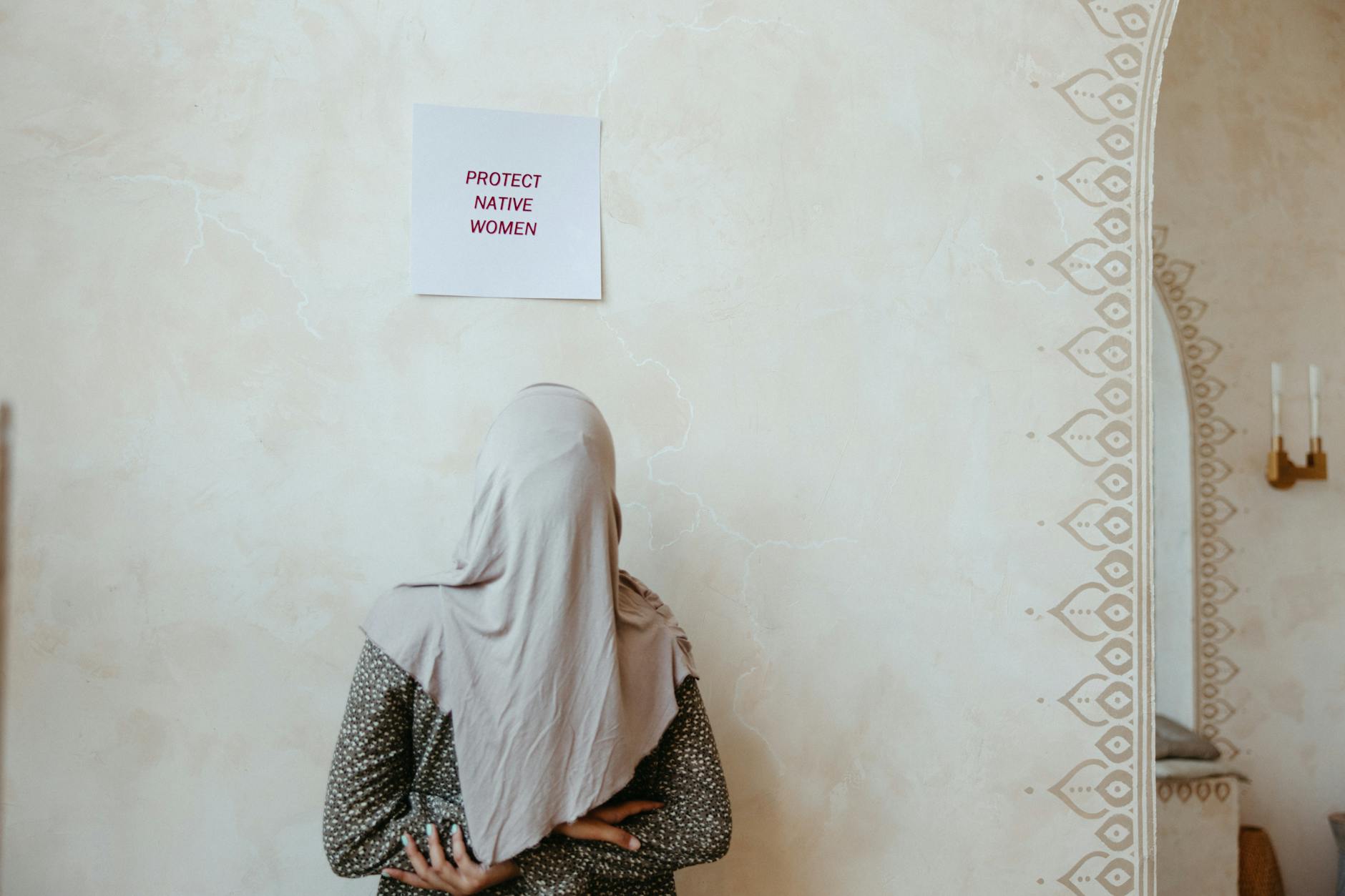
Many people confuse cultural awareness with simply being politically correct. This mix-up can lead to misunderstandings about the depth of what cultural awareness truly involves. The topic here is cultural awareness and its importance in various settings. After reading, you will have a clearer understanding of this concept and its implications.
The Importance of Cultural Awareness and Ways to Enhance It
Cultural awareness is the understanding and appreciation of the differences and similarities among various cultural groups. It is essential for building better relationships and fostering inclusive environments, impacting personal interactions and workplace dynamics.
The National Center for Cultural Competence (NCCC) defines cultural awareness, also known as cultural sensitivity, as being cognizant, observant, and conscious of the similarities and differences among cultural groups. This awareness allows individuals to respect diverse perspectives, leading to improved relationships and healthier environments.
Why Cultural Awareness Matters
Cultural awareness plays a vital role in everyday interactions. Understanding cultural differences helps individuals navigate conversations more effectively, reducing misunderstandings that may arise from assumptions. In multicultural workplaces, recognizing colleagues' backgrounds enhances teamwork and collaboration. When individuals feel respected for their unique perspectives, relationships deepen.
Engaging in a Globalized World
As the world becomes increasingly interconnected, navigating diverse cultures is essential. Cultural awareness equips individuals with the tools to engage respectfully across various social settings, including travel, work, and community interactions. Understanding different customs and values can prevent conflicts and promote harmony.
How to Improve Cultural Awareness
Recognizing It as a Process
Becoming culturally aware is an ongoing process that involves a desire to learn about other cultures. Dr. Ibram Kendi outlines three stages of growing cultural awareness:
- The Fear Zone: This initial stage involves reluctance to engage with cultures outside one’s comfort zone.
- The Learning Zone: In this stage, individuals strive to learn about different cultures and recognize their own culturally shaped values and biases.
- The Growth Zone: The final stage focuses on advocacy and allyship in promoting cultural understanding.
Asking Questions
Engaging in respectful conversations about different cultures is crucial for enhancing cultural awareness. Individuals should be mindful that not everyone may wish to share their experiences. Asking reflective questions about how one's culture affects perceptions can foster deeper understanding. Sharing personal stories can also help build connections.
Educating Yourself
Proactive learning is essential for improving cultural awareness. Individuals can read books about different cultures or attend community events celebrating diversity. These activities increase exposure to varying perspectives and enhance understanding.
Common Misconceptions About Cultural Awareness
Cultural Awareness vs. Political Correctness
Cultural awareness is often confused with political correctness. While both aim for respectful communication, cultural awareness fosters genuine understanding rather than mere compliance with social norms.
Relevance Beyond Diverse Environments
Cultural awareness is important in all settings, not just those that are diverse. Even in predominantly homogeneous environments, being culturally aware enhances interpersonal skills and promotes inclusivity.
The Role of Empathy in Cross-Cultural Interactions
Building Connections Through Empathy
Empathy is crucial in cross-cultural interactions. By understanding others' feelings and motivations behind different practices, individuals can create strong connections that transcend cultural boundaries.
Empathetic Communication
Empathetic communication involves expressing understanding and validating another person's emotions. This approach builds trust and encourages open dialogue about cultural differences, leading to stronger relationships.
The Benefits of Embracing Diversity
Innovation in Diverse Teams
Diverse teams often generate innovative solutions due to their varied perspectives. Different backgrounds contribute unique ideas that enhance creative problem-solving.
Fostering Inclusive Environments
Embracing diversity creates inclusive environments where everyone feels valued. This inclusivity leads to higher satisfaction rates among employees and enhances overall community well-being.
Success Stories: Transformative Experiences
Personal Growth Through Cultural Exchange
Individuals often experience significant personal growth through cultural exchange programs. Immersing oneself in different cultures provides new insights that reshape perspectives.
Effective Cross-Cultural Collaboration
Organizations that implement cross-cultural collaboration strategies often see increased productivity and morale. Understanding cultural nuances can lead to more effective teamwork. In conclusion, enhancing cultural awareness is an ongoing journey that enriches personal lives and strengthens communities. By actively engaging with different cultures, practicing empathy, and fostering inclusivity, individuals can contribute to a more compassionate society where everyone thrives together.
Sources
- Why Cultural Awareness Matters and How to Improve Yours
- www.sxu.edu
- www.amazon.com
- www.ibramxkendi.com
- servicelearning.ctb.ku.edu
- www.apa.org
- bmchealthservres.biomedcentral.com
- bmcnurs.biomedcentral.com
- www.ncbi.nlm.nih.gov
Afterword
Cultural awareness is not just about avoiding offensive language; it encompasses a deeper understanding of diverse perspectives. Recognizing this distinction can enhance personal interactions and foster more inclusive environments.
Articles
- Understanding the Physical Touch Love Language and Its Importance
- Understanding Symbols: Their Meaning and Importance in Communication
- The Importance of Caring for Your Body and Health
- The Importance of Vulnerability in Building Strong Relationships
- The Study of Humanities in the United States: Overview and Importance
- Understanding Your Partner's Body Count and Its Importance
Days
- November 19: Anteater Day
- November 19: Hydrometeorological Service Workers' Day (Ukraine)
- November 19: Discovery of Puerto Rico Day
- November 19: Journalist Day
- November 19: Camp Day
- Third Thursday in November: Philosophy Day
Why do you keep falling for the same type?
Read the article Lovemaps: the hidden blueprint of our love.
Did you not find what you were looking for? Let me help you find more.