
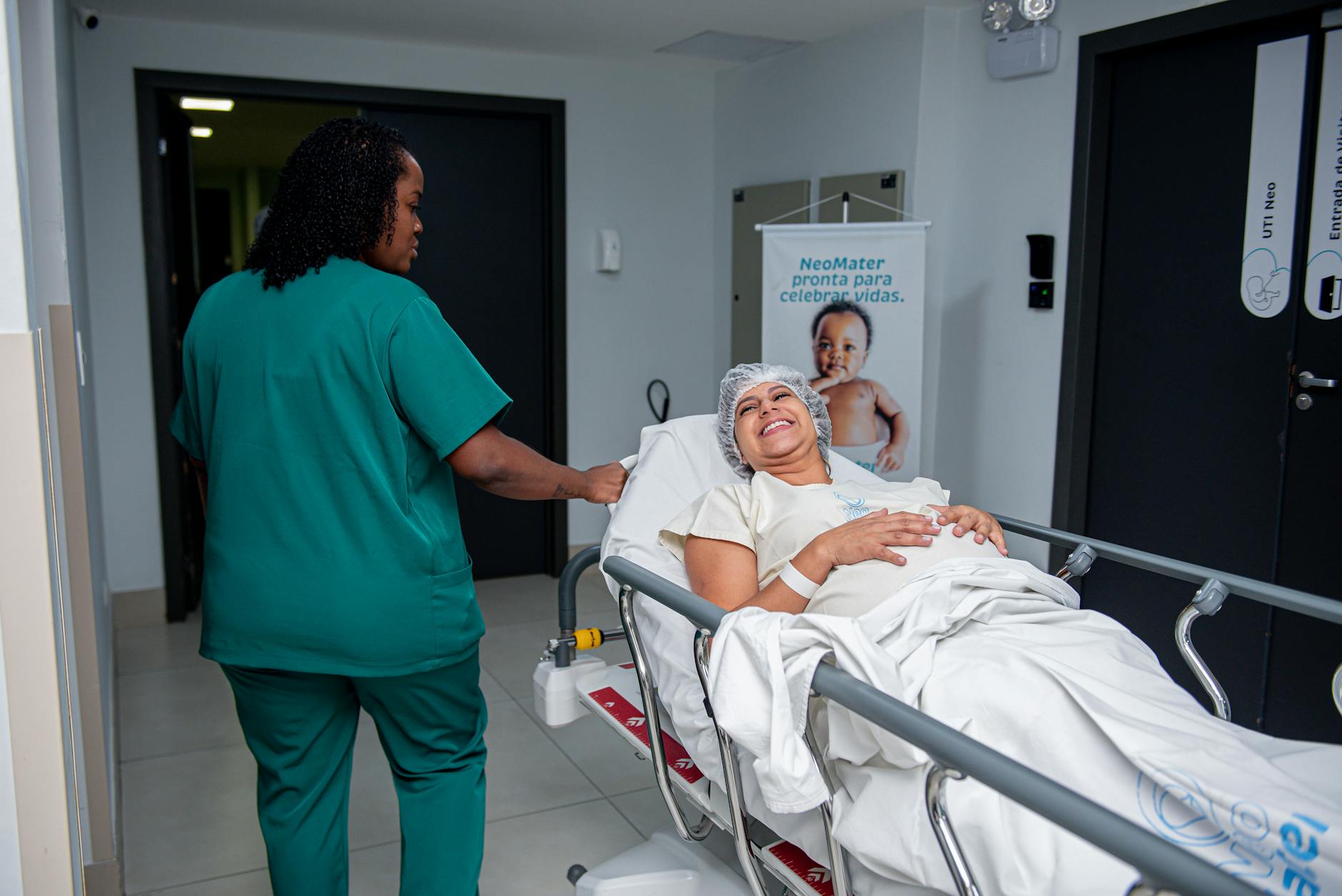
Transforming Lives: The Role of Reconstructive Procedures
A Personal Journey
Reconstructive surgery helps repair and restore body parts affected by birth defects, injuries, or diseases. This type of surgery is vital for individuals seeking to regain functionality and improve their quality of life. In the United States, approximately 1 million reconstructive surgeries were performed in 2022, underscoring its significance for many people.
Understanding the Basics of Reconstructive Techniques
Defining Reconstructive Surgery
Reconstructive surgery is a procedure aimed at repairing or restoring the form and function of body parts affected by birth defects, trauma, or disease. It differs from cosmetic surgery, which primarily focuses on enhancing appearance.
Common Procedures Explained
Various types of reconstructive surgeries address different issues:
- Breast reconstruction or reduction: Available for women who have undergone a mastectomy or for those with excessively large breasts causing health problems. Men may also seek breast reduction.
- Surgeries for feet and hands: These procedures assist individuals dealing with tumors (both cancerous and non-cancerous), webbed or extra digits, and conditions such as carpal tunnel syndrome.
- Wound care: Individuals with severe burns or cuts may require skin grafts or other techniques to promote healing.
- Microsurgery or flap procedures: These surgeries replace damaged body parts due to injury or illness, including cancer.
- Facial surgeries: These can correct facial defects such as cleft lips, address breathing issues like snoring, or treat chronic sinus infections.
How It Works: The Science Behind Repairing and Restoring
The Healing Process
After reconstructive surgery, the body undergoes a healing process that varies in duration depending on the complexity of the procedure. Surgeons use techniques such as suturing and grafting to ensure proper tissue healing. Follow-up appointments are essential to monitor recovery and address any complications.
Innovative Technologies in Reconstruction
Advancements in medical technology have improved outcomes in reconstructive surgery. For instance, surgeons now utilize sophisticated imaging techniques to plan procedures more effectively. Innovations such as microsurgery allow for precise reconstructions that can enhance recovery times and results.
Beyond the Surface: Psychological Impact and Recovery
The Emotional Journey
Receiving reconstructive surgery can be an emotional experience. Many patients report feelings of anxiety before surgery and relief afterward. The transformation not only affects physical appearance but also boosts self-esteem and social interactions.
Support Systems and Resources
Support systems play a crucial role in recovery. Friends, family, and support groups provide emotional encouragement throughout the journey. Additionally, therapists specializing in body image issues can help patients cope with their feelings during recovery.
Common Misconceptions About Reconstructive Surgery
It’s Just Cosmetic Work
Many people confuse reconstructive surgery with cosmetic procedures. While both aim to improve appearance, reconstructive surgery primarily addresses functional issues caused by medical conditions or trauma.
Recovery Is Always Quick and Easy
Another misconception is that recovery from reconstructive surgery is quick and uncomplicated. In reality, recovery times vary by procedure and individual health conditions. Some patients may require extensive rehabilitation to regain full function.
The Future of Reconstructive Surgery: Trends and Innovations
Advancements in Tissue Engineering
The field of tissue engineering is evolving rapidly. Researchers are exploring ways to create biological tissues that can be used in reconstructive procedures, potentially leading to less invasive surgeries and improved healing processes.
The Role of 3D Printing in Reconstruction
3D printing technology is making significant advancements in reconstructive surgery. Surgeons can create custom implants tailored to individual patient needs, improving fit and function compared to traditional methods.
Real Stories: Inspiring Transformations Through Reconstruction
Case Studies of Success
Numerous success stories highlight the impact of reconstructive surgery on people's lives. From children born with cleft palates who achieve normal function to adults recovering from traumatic accidents, these cases demonstrate how reconstruction restores not just appearance but also hope.
The Voices of Patients and Surgeons
Patients often express gratitude for their transformative experiences while surgeons share their passion for helping others regain functionality and confidence through these procedures. Their stories reinforce the importance of reconstructive surgery in changing lives for the better. In conclusion, reconstructive surgery plays a vital role in repairing physical damage caused by various conditions. It not only restores bodily functions but also enhances emotional well-being, making a profound difference in people's lives.
Sources
Articles
- The Five Stages of Memory: Encoding, Storage, Recall, Retrieval, Forgetting
- Hypnosis and Its Role in Recovering Repressed Childhood Abuse Memories
Why do you keep falling for the same type?
Read the article Lovemaps: the hidden blueprint of our love.
Did you not find what you were looking for? Let me help you find more.
