
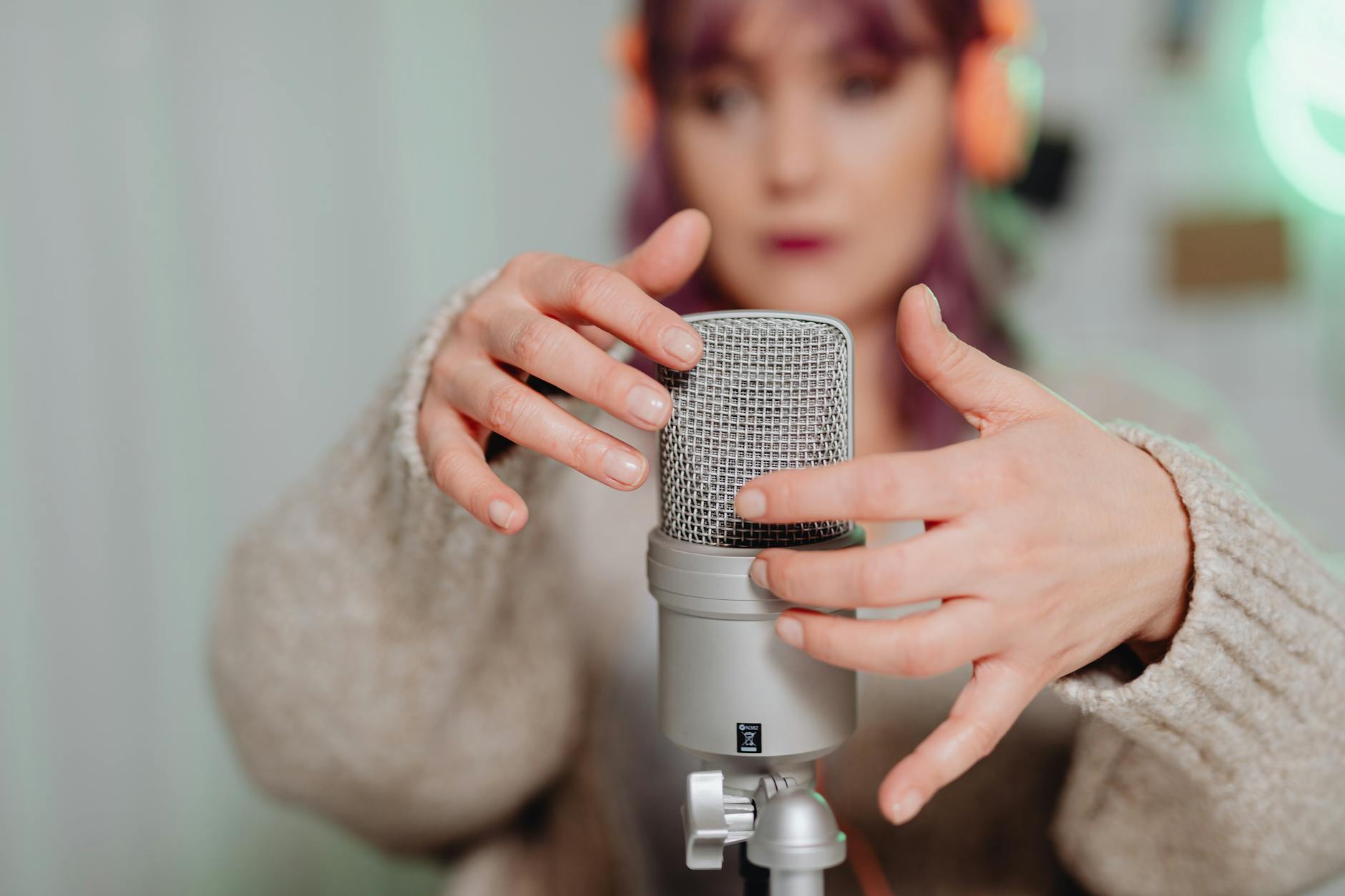
A Sensory Escape
ASMR, or Autonomous Sensory Meridian Response, is a phenomenon characterized by a tingling sensation that typically begins on the scalp and moves down the body. This response is often triggered by specific auditory or visual stimuli, such as whispering voices, tapping sounds, or gentle movements. Many people find these triggers relaxing and use them as a sleep aid.
The ASMR community has grown significantly over the past decade, with countless videos dedicated to this sensory experience. These videos often feature content creators who specialize in producing sounds and visuals designed to elicit ASMR responses.
Why It Matters in Our Daily Lives
For many individuals, ASMR offers a unique way to unwind and escape from daily pressures. Although not everyone experiences this phenomenon, those who do often report benefits such as reduced anxiety and improved sleep quality. The growing popularity of ASMR is evident in the vast array of videos available online, where creators aim to trigger these sensations in viewers.
How It Works: The Science Behind ASMR
The Role of the Brain
Research into ASMR is still developing, but studies suggest that specific brain areas activate during ASMR experiences. Regions such as the dorsal anterior cingulate cortex (dACC), medial prefrontal cortex (mPFC), and nucleus accumbens (NAcc) are associated with social cognition and feelings of reward and satisfaction. When individuals engage with ASMR content, their brains may release neurotransmitters like dopamine and oxytocin, promoting relaxation and comfort.
Trigger Mechanisms Explained
ASMR triggers can vary widely from person to person. Common triggers include sounds like whispering, tapping, or crinkling paper. Some may respond to visual stimuli such as watching someone carefully perform a task or receive personal attention. The key aspect of ASMR is that these stimuli can evoke feelings that mimic physical sensations of touch or comfort without any actual physical contact.
Common Myths Debunked
Myth 1: ASMR is Just a Fad
While ASMR has gained popularity through social media and online platforms, it is not merely a passing trend. Research continues to emerge, highlighting the genuine experiences many individuals have with ASMR.
Myth 2: Only Certain People Experience It
Not everyone experiences ASMR; however, it’s estimated that a significant number of people do. Many discover their ability to feel ASMR during childhood when they receive close personal attention or witness someone performing a calming activity.
Myth 3: ASMR is Sexual in Nature
Although some may find it pleasurable, most ASMR content focuses on relaxation rather than sexual arousal.
The Benefits of ASMR for Well-Being
Stress Relief and Relaxation
Many individuals report that ASMR helps them relax and reduce stress levels. Research indicates that participants who experience ASMR may have an average heart rate decrease while watching ASMR videos, similar to reductions seen with other relaxation methods.
Enhancing Sleep Quality
ASMR may also aid in improving sleep quality for those who struggle with insomnia or anxiety. The calming sensations associated with ASMR can create an environment conducive to restful sleep.
Exploring the Cultural Phenomenon of ASMR
Community and Content Creation
The rise of “ASMRtists” has created a vibrant online community where individuals share their experiences and find solace in similar sensations. Popular creators on platforms like YouTube have gathered millions of followers by producing content specifically designed to trigger ASMR responses.
The Evolution of ASMR Media
The exploration of this sensory response has led to the creation of countless videos ranging from roleplays involving personal attention to simple sound triggers like tapping or page-turning. These creators often employ high-quality microphones to capture subtle sounds that enhance the ASMR experience.
Considerations for Practicing ASMR Safely
Finding Your Triggers
To explore whether you experience ASMR, start by identifying your specific triggers. Pay attention to how different sounds or visuals affect you; if you notice any pleasant tingling sensations, you might be experiencing ASMR.
Avoiding Overstimulation
While exploring ASMR can be enjoyable, it’s essential to be mindful of overstimulation. Too much exposure to intense triggers may lead to discomfort rather than relaxation. Balance is key when engaging with this unique sensory experience.
In conclusion, understanding ASMR opens up avenues for relaxation and connection for those who experience it. As research continues to evolve in this area, we may uncover even more about its potential benefits for mental health and overall well-being. Whether through videos or personal experiences, many find comfort in this intriguing phenomenon known as autonomous sensory meridian response.
Why do you keep falling for the same type?
Read the article Lovemaps: the hidden blueprint of our love.
Did you not find what you were looking for? Let me help you find more.
