
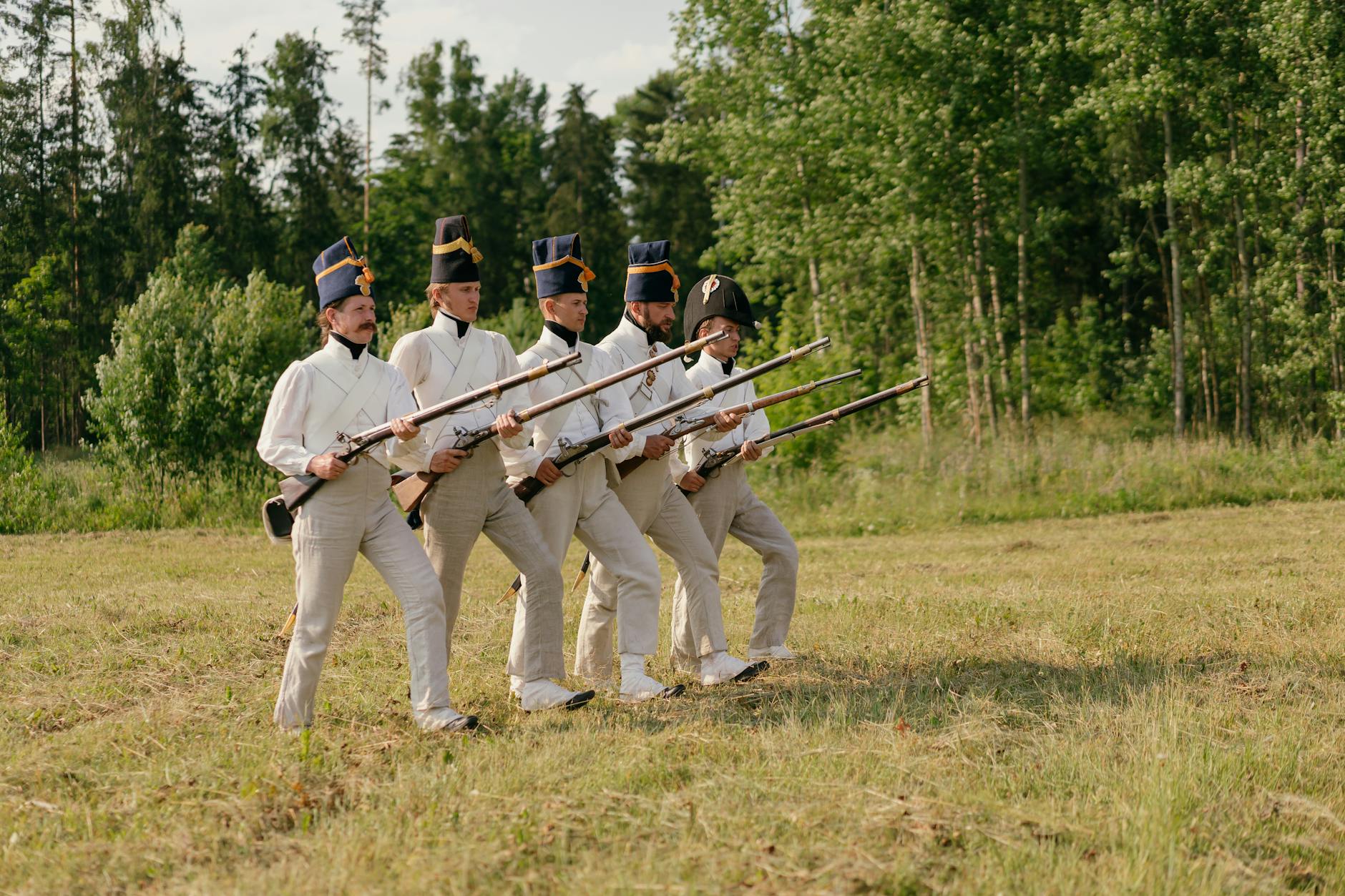
Why Understanding Military Engagements Matters
Military engagements, particularly battles, are critical events in warfare that significantly impact societies and political landscapes. Understanding these engagements is essential as they shape communities and influence the lives of countless individuals.
A battle is defined as an occurrence of combat between opposing military units of any size. Typically, a war consists of multiple battles. A battle is characterized by its duration, geographical area, and the commitment of forces involved. An engagement with limited commitment and no decisive outcomes is referred to as a skirmish.
The Impact on Society
Battles have profound effects on societies, leading to changes in political power, territorial boundaries, and social structures. The aftermath often leaves communities dealing with loss and the need for reconstruction. Veterans returning from combat face challenges that can affect their families and communities for generations.
Lessons from History
History offers valuable lessons learned from battles. Each conflict provides insights into military strategy, tactics, and human behavior under pressure. For example, the failures at the Battle of Gallipoli highlighted the importance of logistics and intelligence in military operations. Learning from these historical lessons can enhance the effectiveness and humanitarian aspects of future military engagements.
How It Works: The Mechanics of Conflict
Strategies and Tactics
Battles are fought using various strategies and tactics aimed at achieving specific objectives. For instance, a battle of attrition seeks to gradually weaken the enemy through sustained losses. Tactics such as flanking maneuvers aim to surprise opponents by attacking from unexpected angles.
The Role of Technology
Technology plays a crucial role in modern battles. Advances in weaponry and communication can significantly influence outcomes. During World War II, for example, radar technology allowed forces to detect incoming aircraft earlier than ever before, providing a strategic advantage in engagements such as the Battle of Britain.
Common Misconceptions About Warfare
The Myth of the Heroic Soldier
The portrayal of soldiers as heroic figures often oversimplifies the complexities of warfare. Soldiers operate within structured military systems and follow orders; their success relies on strategy and teamwork rather than individual bravery alone.
War is Not Just Black and White
Many perceive war in binary terms: good versus evil or right versus wrong. However, conflicts are complex and multifaceted. Each side typically believes it is fighting for a just cause, making it essential to understand diverse perspectives when analyzing any battle.
Key Concepts in Military Theory
The Fog of War Explained
The “fog of war” refers to the uncertainty experienced by participants in military operations. Commanders may lack complete information about enemy movements or troop morale, leading to unpredictable outcomes during battles. This uncertainty complicates decision-making processes significantly.
Understanding Asymmetrical Warfare
Asymmetrical warfare occurs when opposing forces differ significantly in size or capability. A smaller force may employ unconventional tactics to disrupt or weaken a larger opponent effectively. This type of warfare has become increasingly prevalent in modern conflicts.
Case Studies: Learning from Specific Engagements
World War II: A Turning Point
The battles fought during World War II illustrate pivotal shifts in military strategy and technology. Notable engagements like the Battle of Stalingrad changed the course of history by demonstrating how resilience and adaptability could overcome formidable challenges.
The Cold War: Proxy Conflicts and Their Implications
The Cold War featured numerous proxy conflicts where major powers supported opposing sides without direct confrontation. For instance, U.S. involvement in the Vietnam War influenced regional politics and military strategies globally, highlighting how battles can have far-reaching implications.
The Human Element: Psychology in Warfare
Combat Stress and Its Effects
Combat stress can have lasting psychological impacts on soldiers. Many veterans experience conditions such as post-traumatic stress disorder (PTSD) due to traumatic experiences during battle. Understanding these effects is crucial for providing adequate support services after conflicts.
Leadership and Morale in the Trenches
Effective leadership is vital for maintaining troop morale during battle. Leaders must inspire confidence while managing fear among their ranks. High morale can be a decisive factor influencing a battle’s outcome throughout history.
Future of Warfare: Trends and Predictions
The Role of Artificial Intelligence
The rise of artificial intelligence (AI) is transforming modern warfare strategies. AI systems can analyze vast amounts of data rapidly, assisting commanders in making informed decisions more efficiently than ever before. This technology may redefine military engagements in ways that are still emerging.
Cyber Warfare: A New Battlefield
Cyber warfare represents a new frontier in military conflict where nations target each other’s digital infrastructure instead of traditional combat zones. The implications are significant; cyber attacks can disrupt critical services without physical violence.
Battles have always been integral to human civilization’s narrative. They shape societies, influence politics, and reflect cultural values across time periods. By understanding battles,both past and present,we can better prepare for future conflicts while striving for peace.
Sources
- Battle – Wikipedia
- www.google.com
- www.google.com
- www.google.com
- www.google.com
- scholar.google.com
- www.jstor.org
- de.wikipedia.org
- en.wikisource.org
- www.merriam-webster.com
- www.dictionary.com
Why do you keep falling for the same type?
Read the article Lovemaps: the hidden blueprint of our love.
Did you not find what you were looking for? Let me help you find more.
