
Many people confuse handicrafts with mass-produced items. This mix-up overlooks the unique qualities of handmade goods. Handicrafts involve traditional techniques and personal artistry. After reading, you will better distinguish between handcrafted and factory-made products.
Crafting Connections: The Value of Handmade Items
At a local craft fair, a woman carefully examines a handmade pottery mug, appreciating its unique texture and intricate designs. Handcrafted items like this one are not just products; they embody creativity, culture, and a personal touch.
A handicraft is a traditional form of craft making that encompasses a variety of creative activities involving manual skills. This includes working with materials such as textiles, clay, and wood to create practical or decorative items. Handicrafts are significant because they connect people to their cultural heritage and provide economic opportunities for local artisans.
Why Handmade Matters
Handmade items carry a unique value that mass-produced products often lack. They reflect the skill, passion, and creativity of the artisan. These crafts can foster community ties, as local artisans often sell their work in nearby markets or fairs, creating personal connections with buyers. Additionally, purchasing handmade goods supports local economies and encourages sustainable practices.
The Emotional Appeal of Craftsmanship
The emotional resonance of craftsmanship plays a vital role in why people choose handmade items. Each piece tells a story and holds significance that mass-produced items do not possess. Customers appreciate the thoughtfulness behind handmade goods, often feeling more connected to the artisan. This emotional engagement can lead to stronger customer loyalty and a higher willingness to pay for these unique products.
Behind the Scenes: The Crafting Process
Materials and Tools
Handicrafts can involve a wide range of materials including natural fibers like cotton or wool, metals like silver or brass, and organic materials like clay or wood. Artisans choose materials based on availability, tradition, and the desired aesthetic of their creations. Tools may vary from simple hand tools to more specialized equipment depending on the type of craft.
Stages of Creation
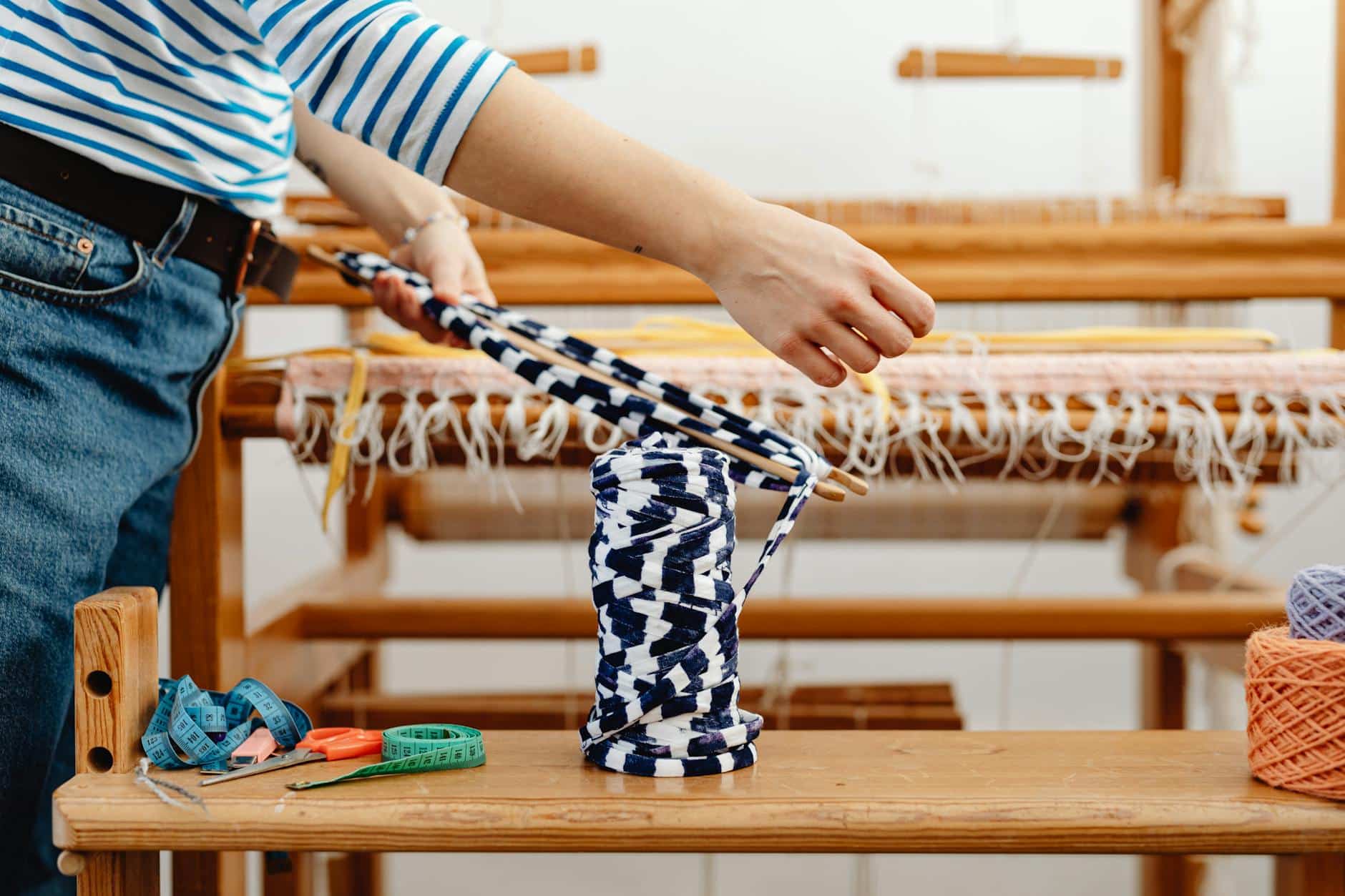
The crafting process typically involves several stages: design, material preparation, creation, and finishing touches. Each stage requires specific skills and techniques ensuring that the final product is both functional and aesthetically pleasing. For example, weaving fabric involves selecting threads, creating patterns, and skillfully interlacing them into a cohesive piece.
How It Works: The Science of Craftsmanship
The Role of Techniques in Quality
The quality of handicrafts hinges on the techniques employed by artisans. Traditional methods passed down through generations ensure authenticity and durability. For instance, batik,a technique of dyeing fabric using wax,requires precision and skill to achieve intricate patterns. Mastery over such techniques directly influences the final product’s appeal and longevity.
Cultural Influences on Crafting Methods
Cultural backgrounds shape crafting techniques significantly. Different regions have unique styles reflecting their history and environment. For instance, Japanese pottery often emphasizes simplicity and natural beauty while Indian textiles may feature vibrant colors and elaborate designs. These cultural nuances enrich the variety found within handicrafts globally.
Common Misconceptions About Handicrafts
Myth: Handmade Equals Expensive
Many people believe that handmade items are always costly due to their perceived value and craftsmanship. However, prices can vary widely based on factors such as materials used, complexity of design, and artisan experience. Many affordable options exist that still reflect quality workmanship.
Myth: Handicrafts Are Outdated
Some view handicrafts as relics of the past or outdated in today’s fast-paced world. Yet many artisans innovate within traditional frameworks, creating modern designs that appeal to contemporary tastes while preserving cultural significance. This blend keeps the craft alive and evolving.
The Global Landscape of Handicrafts
Regional Variations and Styles
Handicrafts showcase diverse regional styles influenced by local resources, traditions, and cultural practices. For example, African beadwork is renowned for its vibrant colors and intricate patterns while Scandinavian woodwork often features minimalist designs emphasizing functionality. These regional characteristics add richness to global handicraft offerings.
Modern Trends in Traditional Crafts
Today’s artisans are blending modern technology with traditional crafting methods to reach wider audiences. Social media platforms allow artisans to showcase their work globally while online marketplaces facilitate sales beyond local markets. This shift has revitalized interest in traditional crafts among younger generations who appreciate their uniqueness.
From Hobby to Business: Navigating the Market
Turning Passion into Profit
Many people start crafting as a passion but see it evolve into a business opportunity over time. Artisans often leverage social media to promote their brands while participating in local fairs or markets helps build community recognition. Success often depends on finding a niche market that values handmade quality over mass production.
Online Platforms for Creators
The rise of online platforms has revolutionized how artisans sell their crafts. These platforms provide an avenue for creators to reach customers worldwide without needing physical retail space. This accessibility encourages more people to pursue handicrafting as a viable source of income.
Sustaining Traditions: The Future of Handicrafts
Preserving Cultural Heritage
Handicrafts play an essential role in preserving cultural heritage across generations. As younger artisans take up traditional crafts, they not only keep these skills alive but also adapt them for modern audiences. Education programs focusing on craftsmanship can further cultivate interest among young people.
The Impact of Technology on Crafting Practices
Technology is reshaping how handicrafts are produced and marketed today. While some artisans continue using age-old techniques, others incorporate digital tools for design or marketing purposes. This technological integration helps make traditional crafts relevant in contemporary markets while still honoring their roots.
In conclusion, handicrafts represent much more than just handmade items; they embody culture, tradition, and personal stories woven into each creation. By supporting these artisans through our choices, we contribute to preserving both their art forms and communities for future generations.
Sources
- Handicraft – Wikipedia
- www.newhavenindependent.org
- www.gaiacollection.com
- web.archive.org
- handicraftsmv.weebly.com
- www.booksite.ru
- myscp.onlinelibrary.wiley.com
- doi.org
- hdl.handle.net
- search.worldcat.org
- journals.sagepub.com
Afterword
The distinction between handicrafts and mass-produced items is crucial. Handcrafted goods carry a personal touch that factory items often lack. Understanding this difference enhances appreciation for the skill and culture behind each piece.
Why do you keep falling for the same type?
Read the article Lovemaps: the hidden blueprint of our love.
Did you not find what you were looking for? Let me help you find more.
