
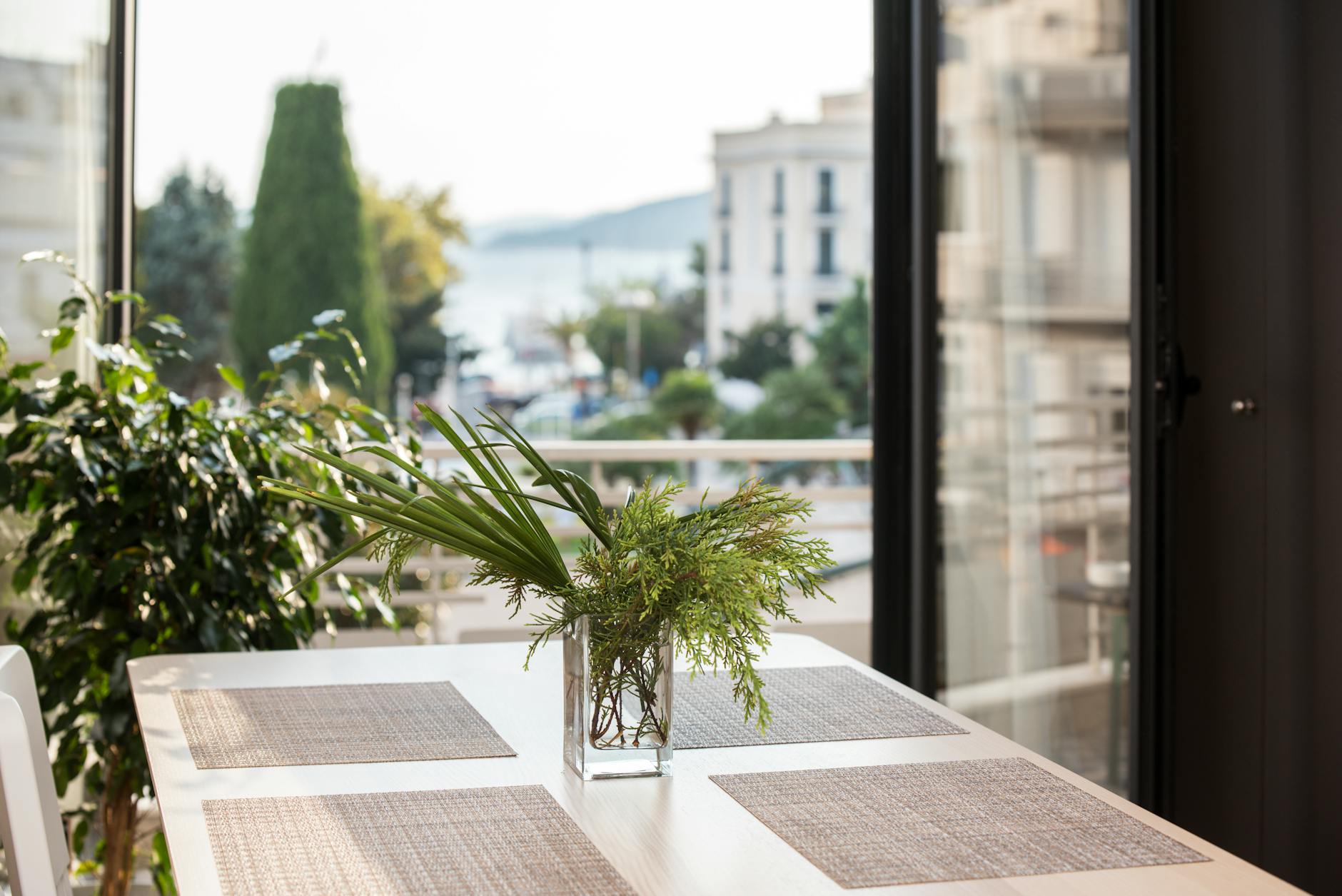
Many people think interior design is just about aesthetics. This view overlooks the practical aspects that make spaces functional. The topic often mixes up beauty with utility in design. After reading, the reader will see how these elements work together more clearly.
Transform Your Space: The Power of Design
Interior design is the art and science of improving the interior of a building to create a healthier and more visually appealing environment for its occupants. Interior designers plan, research, coordinate, and manage projects that enhance spaces, making them not only beautiful but also practical for everyday use.
Why Your Environment Matters
The spaces we inhabit significantly influence our well-being. Effective interior design can improve mood, productivity, and health. By considering elements such as lighting, color, and layout, designers can create environments that cater to our needs and preferences. Thoughtful design can lead to better experiences in daily life, whether at home or in the office.
Everyday Impact on Well-being
Our surroundings affect how we feel and function. A cluttered or poorly lit room can lead to stress and decreased productivity. In contrast, well-designed spaces promote relaxation and focus. Environments rich in natural light can enhance mood and energy levels, making interior design essential for creating spaces that support both physical and mental well-being.
Key Principles Behind Effective Design
Functionality Meets Aesthetics
Good interior design balances beauty with practicality. Functionality ensures that spaces serve their intended purposes efficiently while aesthetics appeal to our sense of style. Designers must consider how people will interact with their environments, ensuring that layouts facilitate movement and activities while maintaining visual appeal.
The Role of Space and Flow
Space planning is vital in interior design. Designers analyze how different areas will be used to create a logical flow within the space. This involves arranging furniture in ways that promote ease of movement and encourage social interaction. An open layout may foster communication in an office setting, while cozy nooks can provide comfort in a home.
How It Works: The Science of Spatial Arrangement
Cognitive Effects of Layouts
The arrangement of a space can significantly impact behavior and feelings. Certain layouts can promote collaboration or concentration. For example, open spaces may encourage teamwork, while private offices might help individuals focus on tasks without distractions. Understanding these dynamics allows designers to create environments tailored to specific activities.
Color Psychology in Design
Colors play a crucial role in shaping our experiences within a space. Different hues evoke various emotions; for instance, blue can promote calmness while yellow might inspire happiness. Designers often use color psychology to influence moods and behaviors in their designs. A well-chosen color palette can make a room feel more spacious or cozy, depending on the desired effect.
Common Myths About Interior Design
Myth 1: It’s Only for the Wealthy
Many believe that professional interior design is only accessible to the affluent. While high-end projects do exist, effective design principles can be applied at any budget level. DIY approaches combined with professional guidance can lead to beautiful results without excessive costs.
Myth 2: You Need to Follow Trends
Some think they must adhere strictly to current trends to achieve good design. However, successful interiors reflect personal taste and lifestyle rather than fleeting fads. Timeless designs often incorporate personal elements that resonate with the occupants rather than simply mirroring what’s popular at the moment.
Tools of the Trade: Essential Resources for Designers
Technology in Design Planning
Modern technology plays a significant role in interior design today. Software tools allow designers to create detailed plans and 3D models, helping clients visualize projects before they begin. Virtual reality (VR) technologies offer immersive experiences where clients can explore their designed spaces virtually.
Material Selection and Sustainability
Sustainable materials are increasingly important in interior design as awareness of environmental issues grows. Designers prioritize eco-friendly options that minimize harm to the environment while being stylish and functional. Choosing sustainable materials benefits nature and enhances indoor air quality, promoting healthier spaces.
Designing for Different Needs and Preferences
Adapting Spaces for Accessibility
Creating inclusive spaces is essential for accommodating diverse needs. Interior designers must consider accessibility features like ramps, wider doorways, and adjustable furnishings to ensure everyone can navigate comfortably within a space.
Personalization vs. Universality
A balance between personalization and universal design is key in creating inviting spaces for all users. While some aspects should cater specifically to individual preferences,such as color choices or furniture styles,others should ensure usability across different demographics without sacrificing aesthetics.
The Future of Interior Design: Trends to Watch
Smart Homes and Technology Integration
The rise of smart home technology is transforming interior design by incorporating automation into everyday life. Smart lighting systems, climate control devices, and security features enhance convenience while blending seamlessly with modern aesthetics.
Sustainable Practices on the Rise
Sustainability continues to be a driving force in interior design as designers seek innovative ways to reduce waste and improve energy efficiency within spaces. This trend addresses environmental concerns while meeting growing consumer demand for sustainable living solutions.
In summary, understanding interior design goes beyond mere decoration; it involves creating functional spaces that enhance well-being while reflecting personal style. As trends evolve toward sustainability and technology integration, the future of this field looks promising for both designers and occupants alike.
Sources
- Interior design – Wikipedia
- www.google.com
- www.google.com
- www.google.com
- www.google.com
- scholar.google.com
- www.jstor.org
- de.wikipedia.org
- www.cnn.com
- www.nessofbrodgar.co.uk
- web.archive.org
Afterword
The observation highlights a common misconception about interior design. It emphasizes the need to understand both beauty and functionality in creating effective spaces. This dual focus is essential for appreciating the full scope of interior design.
Why do you keep falling for the same type?
Read the article Lovemaps: the hidden blueprint of our love.
Did you not find what you were looking for? Let me help you find more.
