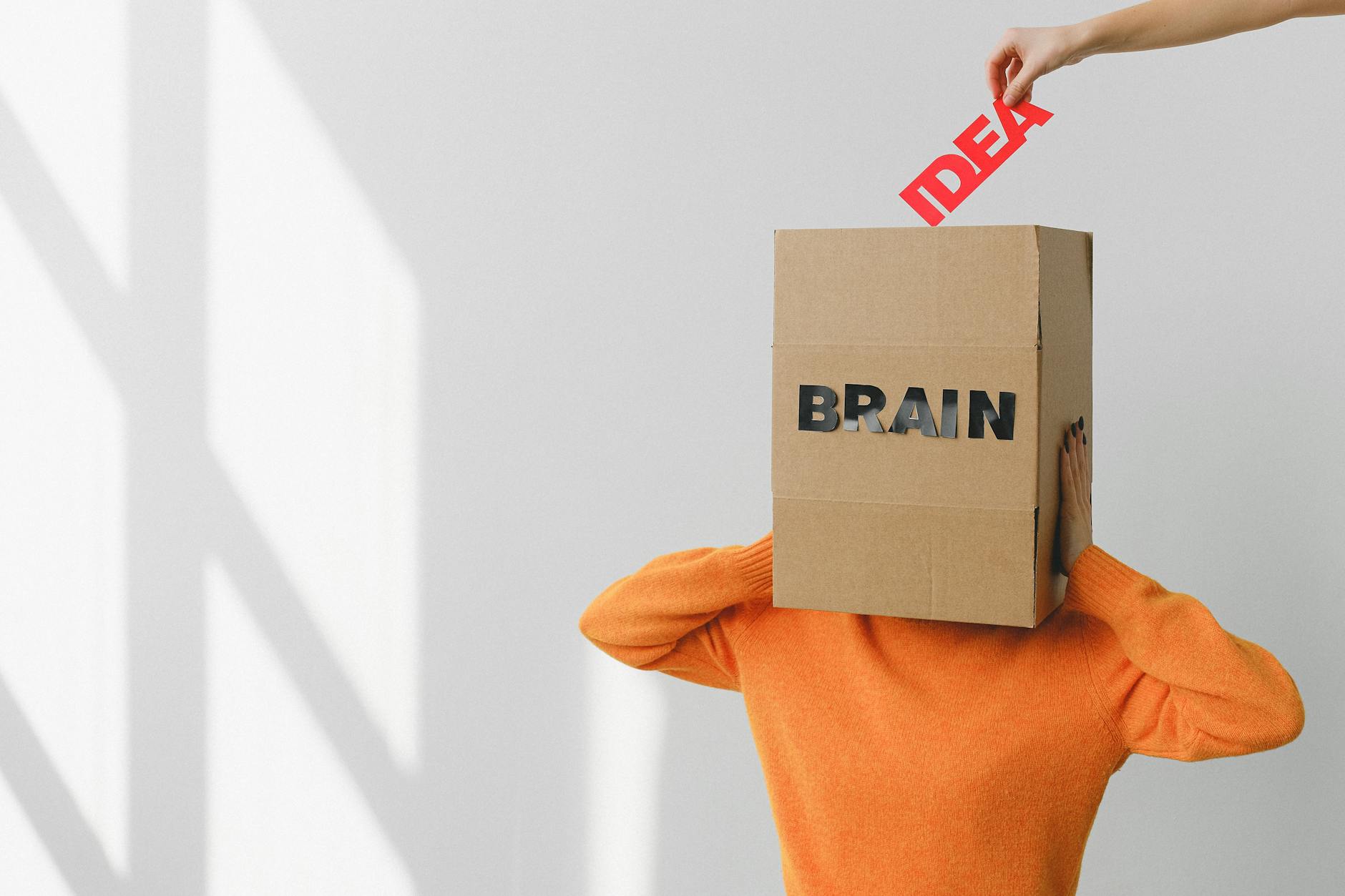
Understanding Left-Brained and Right-Brained Thinking Styles
The idea of being “left-brained” or “right-brained” is a popular notion that suggests each hemisphere of the brain specializes in different functions. The left side is often associated with logic and analysis, while the right side is linked to creativity and intuition. This theory has influenced how people perceive their abilities and strengths.
Everyday Decisions and Your Brain
People frequently describe themselves as left-brained or right-brained when discussing their decision-making styles. For example, someone may identify as analytical, suggesting they approach problems methodically. Conversely, another person might describe themselves as intuitive, emphasizing their reliance on feelings and creativity. These labels can shape how individuals view their capabilities and approach tasks in daily life.
How Understanding Thinking Styles Can Help
Recognizing whether you lean towards left- or right-brain thinking can enhance your self-awareness regarding strengths and weaknesses. For instance, a person who identifies as left-brained might excel in structured environments like science or accounting, while a right-brained individual may thrive in roles that require creativity, such as art or writing. This understanding can guide career choices and learning strategies that align with individual thinking styles.
The Science Behind Brain Functionality
Two Hemispheres, One Goal
The theory of left-brain versus right-brain dominance posits that each hemisphere controls different types of thinking. Generally, the left side is linked with logic, analysis, and objective reasoning, while the right side is associated with intuition, creativity, and emotional processing.
Neuroscience and Cognitive Processes
Modern neuroscience indicates that both hemispheres work together for most tasks. While certain abilities may be stronger in one hemisphere, both sides collaborate to perform complex functions. For example, language processing primarily occurs in the left hemisphere but requires input from the right for emotional tone and context.
How It Works: The Brain’s Communication Network
Connecting the Dots: The Corpus Callosum
The corpus callosum is a vital structure connecting the left and right hemispheres of the brain. It facilitates communication between both sides, ensuring that tasks requiring coordination utilize both hemispheres effectively. For instance, solving a math problem (often considered a left-brain activity) may still involve creative thinking for innovative solutions.
Neuroplasticity and Adaptability
Neuroplasticity refers to the brain’s ability to reorganize itself by forming new neural connections throughout life. This adaptability allows individuals to develop skills traditionally associated with either hemisphere regardless of their natural inclinations. Thus, someone who identifies as a left-brained thinker can enhance creative skills through practice and exposure to artistic activities.
Debunking Common Misconceptions
Myth 1: You Can Only Be One Type
A common misconception is that people are strictly left-brained or right-brained. However, research shows that individuals utilize both hemispheres for various tasks; no one is exclusively one type of thinker.
Myth 2: Intelligence is Hemispherically Fixed
This myth suggests that intelligence is determined by which side of the brain is dominant. In reality, intelligence involves complex interactions between both hemispheres, highlighting the importance of collaboration rather than strict categorization.
The Spectrum of Thought: Beyond Binary Labels
Integrative Thinking Styles
Thinking styles exist on a spectrum rather than fitting neatly into binary categories of left or right. Many individuals exhibit integrative thinking styles that incorporate elements from both sides of the brain. This flexibility allows people to adapt their thinking based on specific situations or tasks.
The Role of Emotions and Environment
Your environment significantly influences cognitive processes. Emotional responses can affect decision-making and problem-solving approaches, further blurring the lines between traditional left-brain logic and right-brain intuition.
Practical Applications: Enhancing Your Skills
Strategies for Balanced Thinking
To strengthen cognitive abilities across both hemispheres, engage in diverse activities that challenge your brain. For example, taking up painting can enhance creative skills while learning a musical instrument can improve memory and discipline.
Workplace and Learning Environments
Employers can benefit from understanding these concepts by creating balanced work environments that cater to various thinking styles. Encouraging collaborative projects allows team members to draw on each other’s strengths for innovative solutions.
The Future of Brain Research
Emerging Technologies in Neuroimaging
Advancements in neuroimaging technologies are enhancing our understanding of brain functionality. By observing how various tasks activate different regions within both hemispheres, researchers continue to uncover new insights into cognitive processes.
The Impact on Education and Personal Development
As our understanding evolves, educational systems may shift towards teaching methods that recognize the complexity of thought processes beyond simple categorizations. This could lead to more personalized learning experiences that cater to individual strengths while promoting overall cognitive development.
The notion of being left-brained or right-brained simplifies a complex interplay of cognitive functions within our brains. While these labels can help identify strengths, it’s essential to understand that everyone utilizes both sides of their brain in unique ways. By embracing this complexity, we can foster personal growth and enhance our learning experiences.
Why do you keep falling for the same type?
Read the article Lovemaps: the hidden blueprint of our love.
Did you not find what you were looking for? Let me help you find more.