
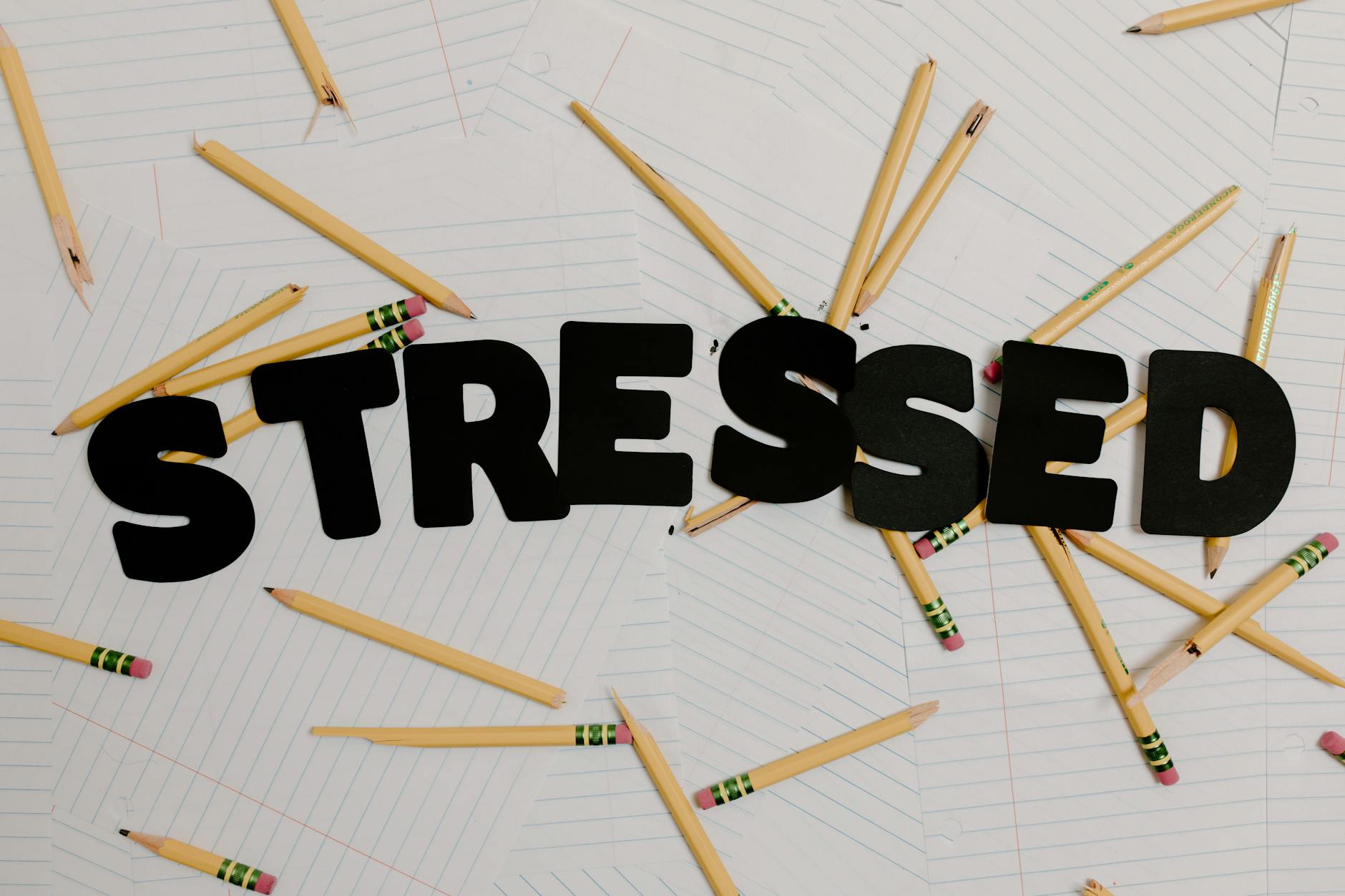
Living with the Shadows: A Practical Insight into PTSD
Post-Traumatic Stress Disorder (PTSD) can cast a long shadow on those affected, influencing their daily lives and relationships. It often feels like an uninvited guest that lingers long after a traumatic event. Understanding this condition is essential for both those who experience it and their loved ones. Many individuals with PTSD may struggle silently, feeling isolated or misunderstood. By fostering open conversations and providing support, we can help alleviate some of the burdens they carry.
What is PTSD?
PTSD is a mental health condition triggered by experiencing or witnessing a traumatic event. This could range from military combat to natural disasters, accidents, or personal assaults. Not everyone who goes through trauma develops PTSD; however, those who do may face a myriad of challenges as they navigate their recovery.
Key Symptoms of PTSD
- Intrusive Memories: Unwanted flashbacks or nightmares of the traumatic event can be distressing and overwhelming.
- Avoidance Behaviors: Individuals may avoid places, people, or activities that remind them of the trauma.
- Negative Changes in Mood: Feelings of hopelessness, detachment from loved ones, or emotional numbness are common.
- Heightened Arousal: Symptoms such as insomnia, irritability, or being easily startled can disrupt daily life.
How it Works: The Brain’s Response to Trauma
The brain’s response to trauma involves complex physiological changes. When faced with danger, the amygdala activates the fight-or-flight response, leading to heightened anxiety even in safe situations. The hippocampus, which helps in forming memories, may also become dysregulated. Over time, the brain may struggle to return to a state of calm, resulting in persistent symptoms of PTSD.
Debunking Common Myths About PTSD
Misconceptions about PTSD can hinder understanding and support for those affected. Here are a few myths and the truths behind them:
- Myth: Only veterans experience PTSD. Truth: Anyone who has experienced trauma can develop PTSD, regardless of their background.
- Myth: PTSD is a sign of weakness. Truth: It is a normal reaction to abnormal events; it does not reflect one’s strength or character.
- Myth: People with PTSD cannot recover. Truth: Many individuals find effective treatment options and learn to manage their symptoms successfully.
Recognizing the Signs Beyond the Surface
The effects of PTSD extend beyond emotional distress; they can manifest physically and behaviorally. For instance, someone might experience chronic headaches or gastrointestinal issues due to stress. Social withdrawal can also be a significant sign; friends and family members may notice that their loved ones become increasingly isolated or irritable.
Paths Toward Healing and Resilience
Healing from PTSD is possible through various avenues. Therapy options such as Cognitive Behavioral Therapy (CBT) and Eye Movement Desensitization and Reprocessing (EMDR) have proven effective for many individuals. Support groups provide a space for shared experiences, helping individuals feel less alone in their struggles.
Self-Care Strategies
- Meditation: Practicing mindfulness can help ground individuals in the present moment.
- Physical Activity: Regular exercise releases endorphins and can improve mood.
- Adequate Sleep: Prioritizing restful sleep is crucial for emotional regulation.
The Journey Ahead: Living Beyond PTSD
The journey toward recovery from PTSD is not linear; it involves ups and downs. However, many find empowerment in their healing process. By seeking professional help and cultivating supportive relationships, individuals with PTSD can reclaim control over their lives. Remember that healing takes time and patience; each step forward is a testament to resilience and strength.
Sources
- Post-traumatic stress disorder – Wikipedia
- icd.who.int
- icd.who.int
- icd.who.int
- archive.org
- www.ncbi.nlm.nih.gov
- doi.org
- pubmed.ncbi.nlm.nih.gov
- www.nimh.nih.gov
- web.archive.org
- www.ncbi.nlm.nih.gov
Articles
- Taye Diggs' Advocacy for the Schizophrenia Community and Awareness
- Understanding Classical Conditioning: Examples and Key Concepts
- Understanding the Connection Between PTSD, Anger, and Irritability
- Placental Abruption: Understanding Symptoms, Causes, and Treatment
- Understanding Alexithymia: Causes, Effects, and Coping Strategies
- Earliest Memories Begin Around Age Two and a Half, Research Shows
Days
Why do you keep falling for the same type?
Read the article Lovemaps: the hidden blueprint of our love.
Did you not find what you were looking for? Let me help you find more.
