
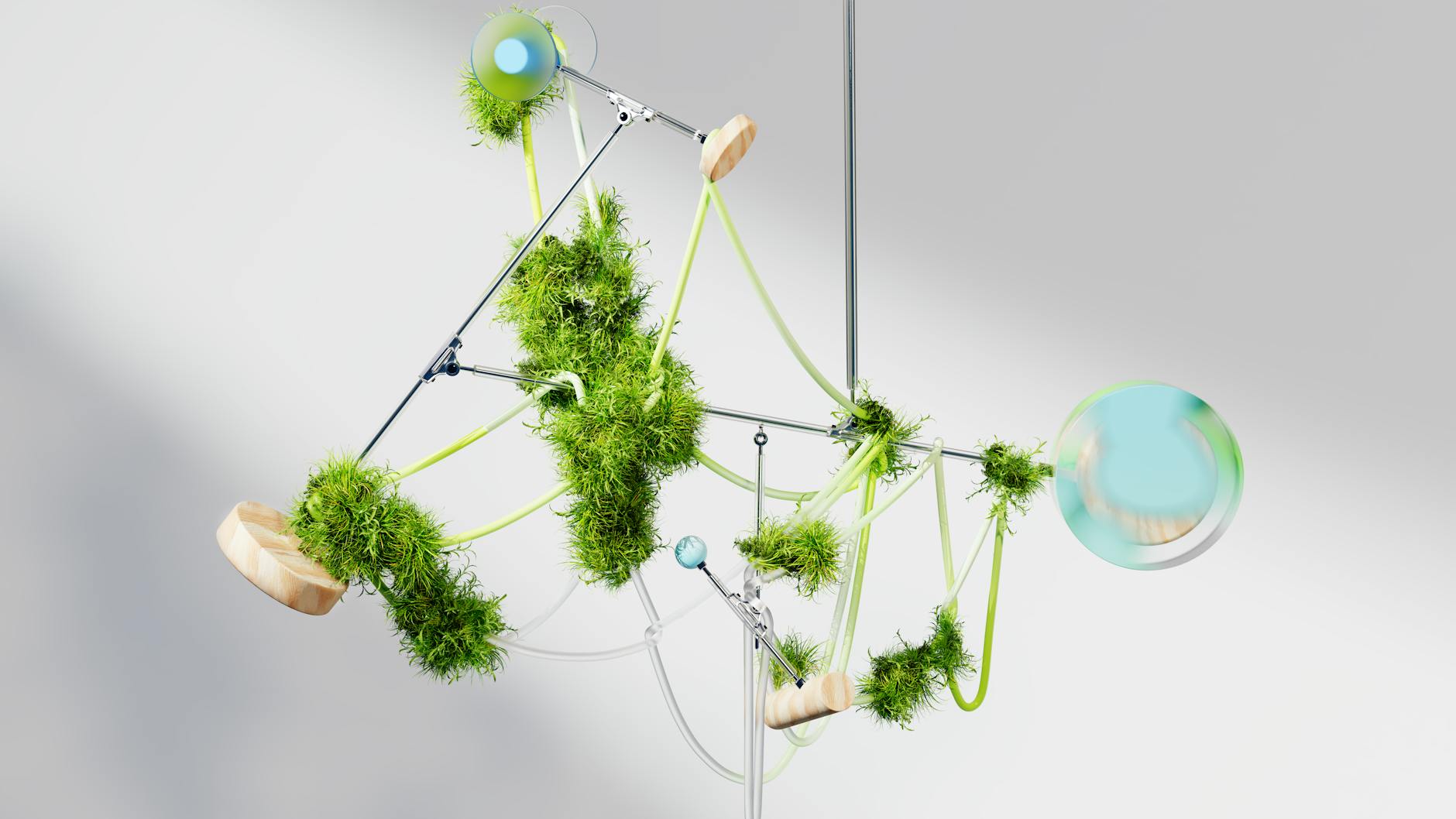
Many people think all sculptures are large and grand. This view overlooks the variety of sizes and styles in sculpture. The topic of sculpture often gets mixed up with assumptions about scale and purpose. After reading, you'll see the range of what sculpture can be more clearly.
Why Sculpture Matters in Everyday Life
Sculpture is not just an art form; it reflects our culture, history, and emotions. It plays a vital role in how we perceive the world around us. From ancient times to modern society, sculptures have served as markers of significant events, memorials for loved ones, and expressions of personal or collective identity.
For example, the Statue of Liberty symbolizes freedom and democracy. Similarly, sculptures in local parks often celebrate community values or historical figures, fostering a sense of belonging and pride among residents. In this way, sculpture contributes to the narrative of our everyday lives.
The Basics of Sculptural Creation
At its core, sculpture involves transforming materials into three-dimensional forms. The primary materials used include stone, metal, clay, wood, and glass. Each material brings unique qualities to the final piece.
- Stone: Known for its durability, stone sculptures often depict historical or religious figures.
- Metal: Frequently used for modern sculptures, metals like bronze allow for intricate designs.
- Clay: A favorite among beginners, clay is malleable and easy to work with for smaller projects.
- Wood: This organic material can convey warmth and is often used in folk art.
- Glass: Used for contemporary pieces, glass can create stunning visual effects through transparency and light manipulation.
How It Works: The Sculpting Process
The sculpting process typically involves several stages. Initially, an artist will conceive an idea or theme that guides their creation. Next comes the sketching phase where artists outline their vision on paper.
Once the design is finalized, the actual sculpting begins. Techniques vary depending on the medium:
- Additive methods: Involves building up material (like clay) to create forms.
- Subtractive methods: Involves removing material (like stone) to reveal the final shape.
- Assembly techniques: Involves combining different elements (like metal parts) to form a cohesive piece.
The final step is adding finishing touches, which may include polishing or painting to enhance the sculpture’s visual appeal.
Common Myths About Sculpture
Sculpture is often surrounded by misconceptions that can deter aspiring artists or enthusiasts. Here are a few common myths:
- Sculpture is only for professionals: Many believe that only trained artists can create sculptures. In reality, anyone can experiment with sculpting as a hobby.
- Sculpture must be large-scale: While monumental sculptures are impressive, small-scale works can also be equally impactful.
- Sculpture is just about aesthetics: Many sculptures convey deep meanings and stories beyond mere visual appeal.
The Emotional Connection with Sculpture
Sculptures often evoke strong emotions due to their physical presence and cultural context. When we encounter a sculpture, we may feel nostalgia, joy, or even sadness based on our past experiences or societal narratives associated with that work. For example, a war memorial might inspire feelings of reverence and reflection on sacrifice.
This emotional resonance makes sculpture a powerful medium for storytelling. Artists can connect with viewers on a deeply personal level through their work.
The Future of Sculpture in a Digital Age
The digital age has transformed many aspects of art creation and appreciation. Sculptors are now utilizing technologies such as 3D printing to push the boundaries of traditional sculpting techniques. For instance, 3D printing allows artists to create complex forms that would be difficult to achieve by hand.
This integration of technology opens up new possibilities for collaboration and innovation in sculpture. Artists can connect globally through online platforms while also exploring new materials and processes that challenge conventional norms.
Sculpture in Public Spaces: A Community Affair
Sculpture plays an essential role in public spaces by enhancing community identity and engagement. Public art installations can transform urban landscapes into vibrant cultural hubs where people gather and interact.
A notable example is Cloud Gate in Chicago, affectionately known as “The Bean.” This large-scale sculpture invites visitors to reflect their image against its polished surface while also serving as a gathering spot for locals and tourists alike. Such works not only beautify spaces but also foster a sense of community ownership and pride.
In conclusion, understanding sculpture enriches our appreciation of art as it intertwines with human experience across various dimensions of life.
Sources
- Sculpture – Wikipedia
- en.museicapitolini.org
- web.archive.org
- www.artmuseums.harvard.edu
- web.archive.org
- www.guggenheim.org
- web.archive.org
- news.artnet.com
- web.archive.org
- books.google.com
- web.archive.org
Afterword
This observation about the common perception of sculpture highlights how size and style can be misunderstood. By recognizing the diversity within sculpture, you can appreciate its many forms and meanings.
Why do you keep falling for the same type?
Read the article Lovemaps: the hidden blueprint of our love.
Did you not find what you were looking for? Let me help you find more.
