
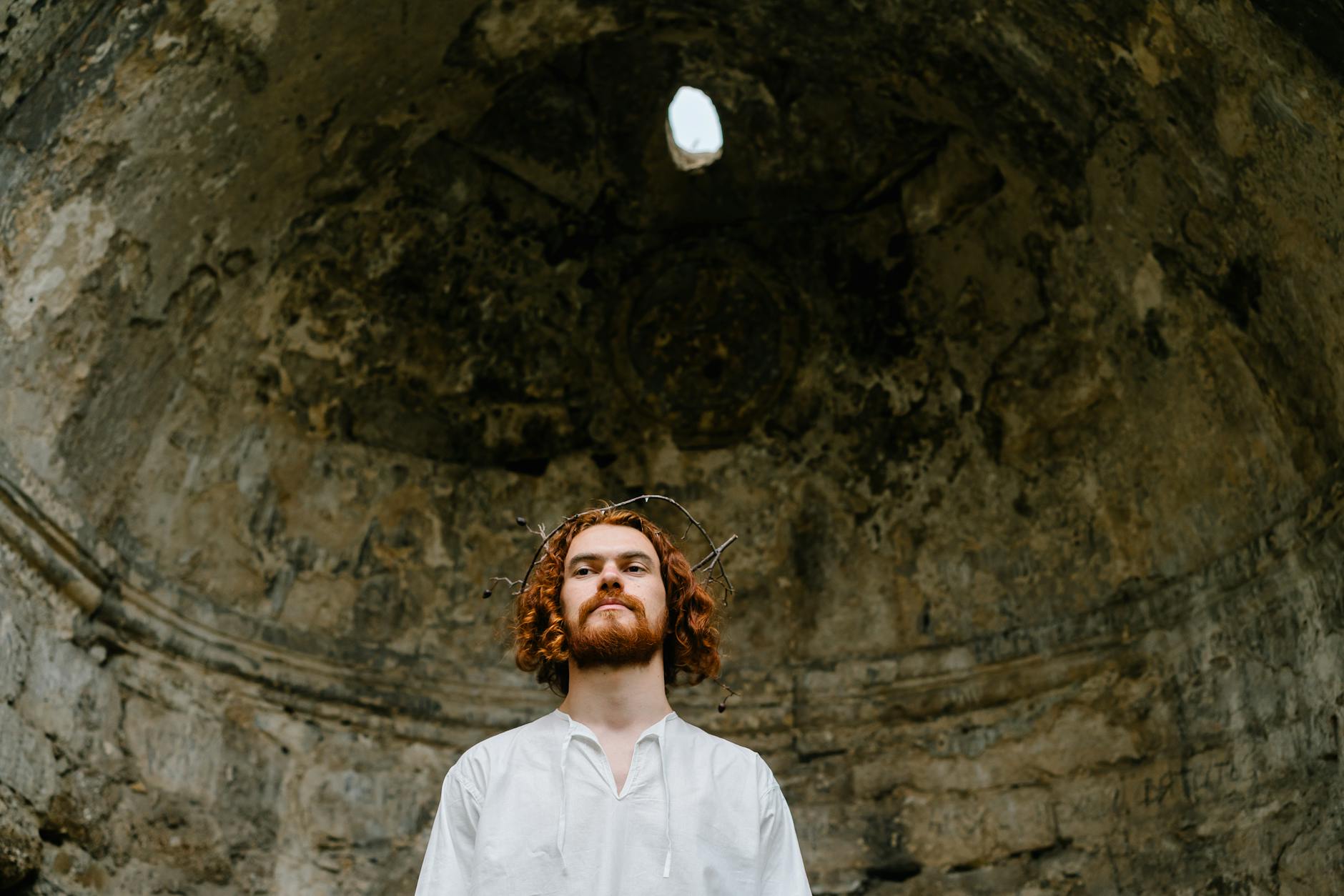
Many people confuse spirituality with organized religion. This mix-up often leads to oversimplified views on what spirituality really means. Spirituality encompasses a wide range of beliefs and practices that focus on personal growth and connection. After reading, you will be able to separate spirituality from religion more clearly.
Unlocking the Power of Spirituality in Daily Life
Spirituality can serve as a guiding force in our everyday lives, helping us navigate challenges and enhance our overall well-being. By incorporating spiritual practices into daily routines, individuals can cultivate a deeper sense of purpose and connection.
- Mindfulness: Practicing mindfulness, such as through meditation or simply being present during daily activities, encourages clarity and reduces stress.
- Gratitude: Keeping a gratitude journal can help shift focus from what is lacking to appreciating what one has, fostering a positive mindset.
- Connection: Engaging in community service or connecting with others can enhance feelings of belonging and purpose.
The Essence of Spirituality: Beyond Religion
Spirituality often transcends traditional religious boundaries, focusing instead on personal growth and inner peace. It encompasses a broad range of beliefs and practices that foster a sense of connection to something larger than oneself.
- Personal Growth: Many find spirituality through self-exploration, seeking understanding and meaning in life.
- Nature: For some, nature serves as a spiritual sanctuary, offering peace and inspiration through its beauty and complexity.
How It Works: The Mechanisms Behind Spiritual Practices
The impact of spirituality on mental health is often attributed to several key mechanisms. These include emotional regulation, enhanced coping strategies, and fostering social connections.
- Emotional Regulation: Spiritual practices help individuals manage their emotions more effectively, promoting resilience in the face of adversity.
- Coping Strategies: Engaging in spiritual rituals can provide comfort during difficult times, offering hope and perspective.
Common Misconceptions About Spirituality
Misperceptions about spirituality can lead to confusion or resistance. Understanding these misconceptions is crucial for fostering a more inclusive view of spirituality.
- Spirituality Equals Religion: While they can overlap, spirituality is not synonymous with organized religion; it is often more personal and individualized.
- Spirituality Is Anti-Science: Many people believe that spirituality rejects scientific understanding; however, numerous studies show that spiritual practices can complement scientific approaches to well-being.
Exploring Various Practices Across Cultures
Diverse cultures offer unique spiritual practices that reflect their values and beliefs. Exploring these can enrich one’s own spiritual journey.
- Buddhism: Emphasizes mindfulness and meditation as pathways to enlightenment.
- Sufism: A mystical branch of Islam that focuses on love and devotion through poetry and music.
- African Traditions: Often incorporate rituals that honor ancestors and nature, emphasizing community bonds.
The Science Behind Spiritual Well-Being
Research indicates that engaging in spiritual practices can lead to measurable improvements in mental health. Studies have shown that individuals who identify as spiritual report lower levels of anxiety and depression.
- Cortisol Levels: Regular meditation can reduce cortisol levels, which are linked to stress.
- Longevity: Some studies suggest that those with strong spiritual beliefs may experience longer lifespans due to enhanced coping mechanisms and community support.
Integrating Spirituality into Your Life
Incorporating spirituality into daily life doesn’t require drastic changes; small adjustments can yield significant benefits. Here are some practical steps to integrate spirituality seamlessly into your routine:
- Create a Sacred Space: Designate a quiet area for reflection or meditation in your home to encourage regular practice.
- Savor Simple Moments: Take time to appreciate small joys, like a sunrise or a warm cup of tea, as part of your spiritual practice.
- Engage with Others: Join groups or communities that share similar spiritual interests for support and shared experiences.
The journey into spirituality is personal yet universal. By exploring its many facets,whether through practices, cultural expressions, or scientific findings,we can enrich our lives and foster deeper connections with ourselves and the world around us.
Sources
- Spirituality – Wikipedia
- pcl.missouri.edu
- web.archive.org
- web.archive.org
- web.archive.org
- thepsychologist.bps.org.uk
- journal.uinsgd.ac.id
- doi.org
- search.worldcat.org
- web.archive.org
- books.google.com
Afterword
The distinction between spirituality and organized religion is often overlooked. Understanding this difference can lead to a more inclusive view of spirituality and its role in personal well-being.
Why do you keep falling for the same type?
Read the article Lovemaps: the hidden blueprint of our love.
Did you not find what you were looking for? Let me help you find more.
