
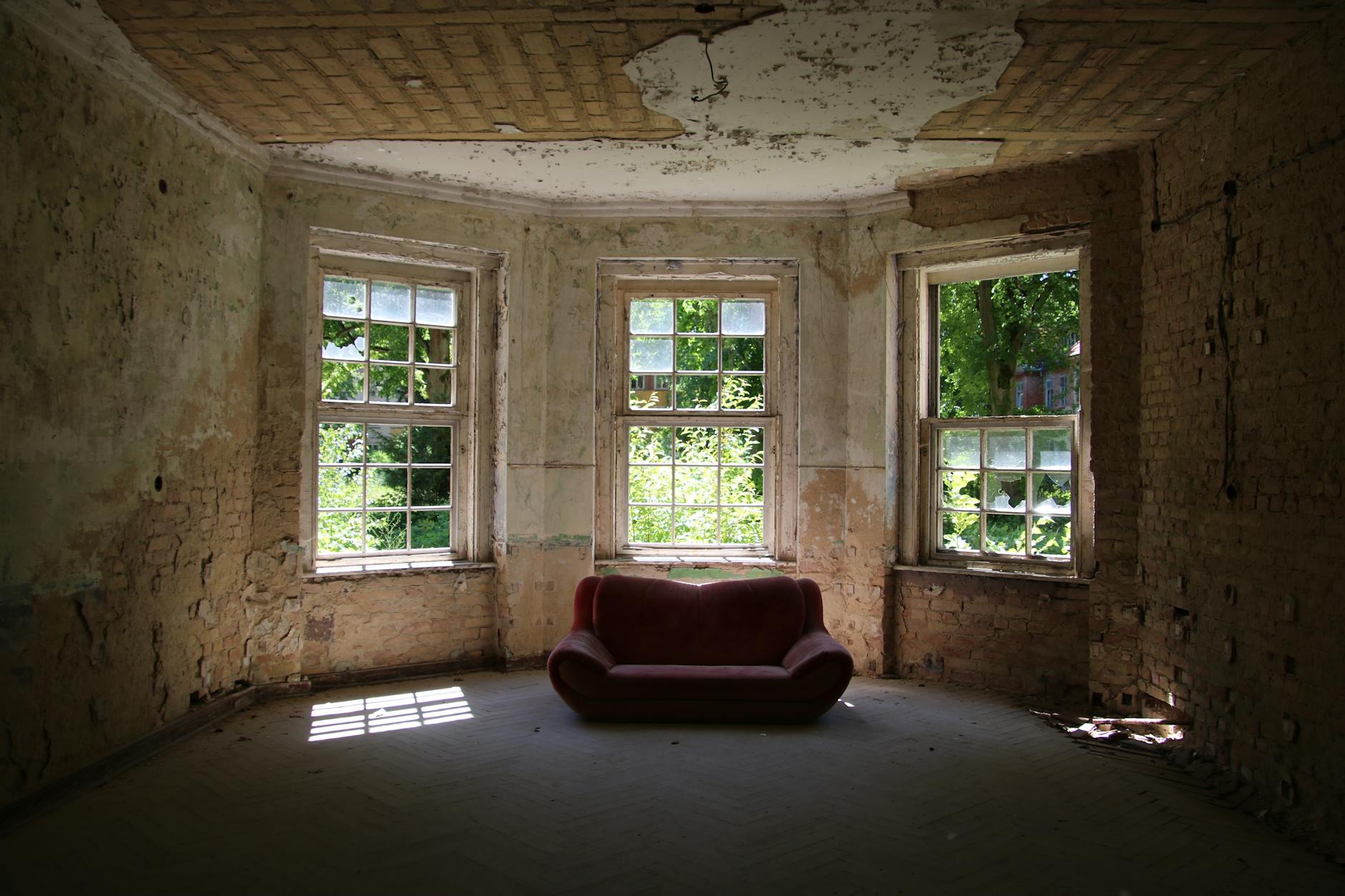
Understanding the Broken Windows Theory: Origins, Applications, and Critiques
The broken windows theory posits that visible signs of disorder, such as broken windows or litter, can lead to increased crime. This theory connects our surroundings with behavior and interaction within communities, suggesting that neglect can foster a sense of lawlessness.
Origins and Explanation
The broken windows theory was introduced by criminologists James Q. Wilson and George Kelling in 1982. They argued that a person’s physical environment influences their likelihood of committing a crime. If minor offenses, such as vandalism or graffiti, go unaddressed, they signal to others that more significant crimes might also be tolerated.
Wilson and Kelling used the analogy of a broken window: if a window in a building is not repaired, it sends a message that nobody cares about the property. This perception can lead to further vandalism and escalate into more serious crimes like robbery or assault. When people observe disorder, they may feel less inclined to report crimes or intervene in suspicious activities.
The Connection Between Environment and Behavior
The essence of the broken windows theory is that physical signs of neglect encourage criminal behavior. Observing litter or abandoned buildings may lead residents to assume that no one cares about maintaining order in their community. This assumption can discourage residents from reporting crimes or taking action against illicit activities.
Applications of the Theory
Policing Strategies
The broken windows theory has influenced policing strategies, leading to “zero tolerance” approaches where law enforcement cracks down on minor offenses like loitering and graffiti. The idea is that by addressing these small issues, police can create a more orderly environment that discourages serious crime.
Beyond Policing: Workplace and School Environments
The principles of the broken windows theory have also been applied in workplaces and schools. By enforcing strict policies against minor violations, organizations aim to foster environments that promote accountability and professionalism. This approach is thought to enhance productivity and learning.
Critiques of the Broken Windows Theory
Oversimplification of Crime Causes
Critics argue that the broken windows theory oversimplifies the causes of crime by focusing primarily on visible signs of disorder while neglecting underlying social and economic factors such as poverty, unemployment, and lack of education. Research indicates that when these factors are considered, the connection between disorder and crime rates diminishes.
Impact on Marginalized Communities
Policing strategies based on the broken windows theory have been criticized for disproportionately targeting low-income neighborhoods and minority communities. Critics assert that these practices can lead to biased policing without addressing the root causes of crime.
Real-World Applications: Beyond Policing
Urban Design and Community Engagement
The principles behind the broken windows theory have influenced urban design and community initiatives beyond policing. Strategies include creating cleaner public spaces and fostering community engagement through local projects aimed at improving neighborhood conditions.
Case Studies of Successful Interventions
Cities that have invested in public spaces,such as parks and recreational facilities,have seen improvements in community cohesion. These approaches help build stronger communities where residents feel empowered to take care of their environment without relying solely on law enforcement.
Common Misconceptions About the Theory
Myth 1: Direct Correlation with Crime Rates
A common belief is that the broken windows theory directly correlates with lower crime rates due to aggressive policing tactics targeting minor offenses. However, research has shown inconsistent evidence supporting this link.
Myth 2: Sole Focus on Physical Factors
The theory tends to oversimplify crime prevention by concentrating primarily on visible signs of disorder while ignoring socio-economic factors critical in contributing to criminal behavior.
Myth 3: One-Size-Fits-All Solution
The broken windows approach cannot be universally applied across different neighborhoods or communities. Each area has unique social dynamics that must be considered when developing strategies for crime prevention.
The Future of Urban Environments: Moving Forward Together
Innovative Approaches to Community Building
Creating safer neighborhoods requires fostering environments conducive to positive interactions among residents. Enhancing public spaces with greenery, providing community services, or promoting local events can help strengthen community ties.
Encouraging Participation for Lasting Change
Civic engagement plays a crucial role in transforming neighborhoods. Residents can initiate or participate in community projects aimed at improving local conditions, such as organizing clean-up days or establishing community gardens, fostering pride in their surroundings.
In conclusion, while the broken windows theory provides insights into how environments may influence behavior, it is essential to recognize its limitations and consider broader social contexts for effective crime prevention strategies. By working together as communities, residents can create safe and welcoming environments for everyone.
Sources
- The Broken Windows Theory: Origins, Issues, and Uses
- www.davidtzall.com
- www.veredcounseling.com
- www.theatlantic.com
- chicagounbound.uchicago.edu
- www.nyc.gov
- www.ncbi.nlm.nih.gov
Articles
- Overview of Classical Architecture and Its Influences
- Byzantine Empire: The Eastern Roman Empire from 330 to 1453
Why do you keep falling for the same type?
Read the article Lovemaps: the hidden blueprint of our love.
Did you not find what you were looking for? Let me help you find more.
