
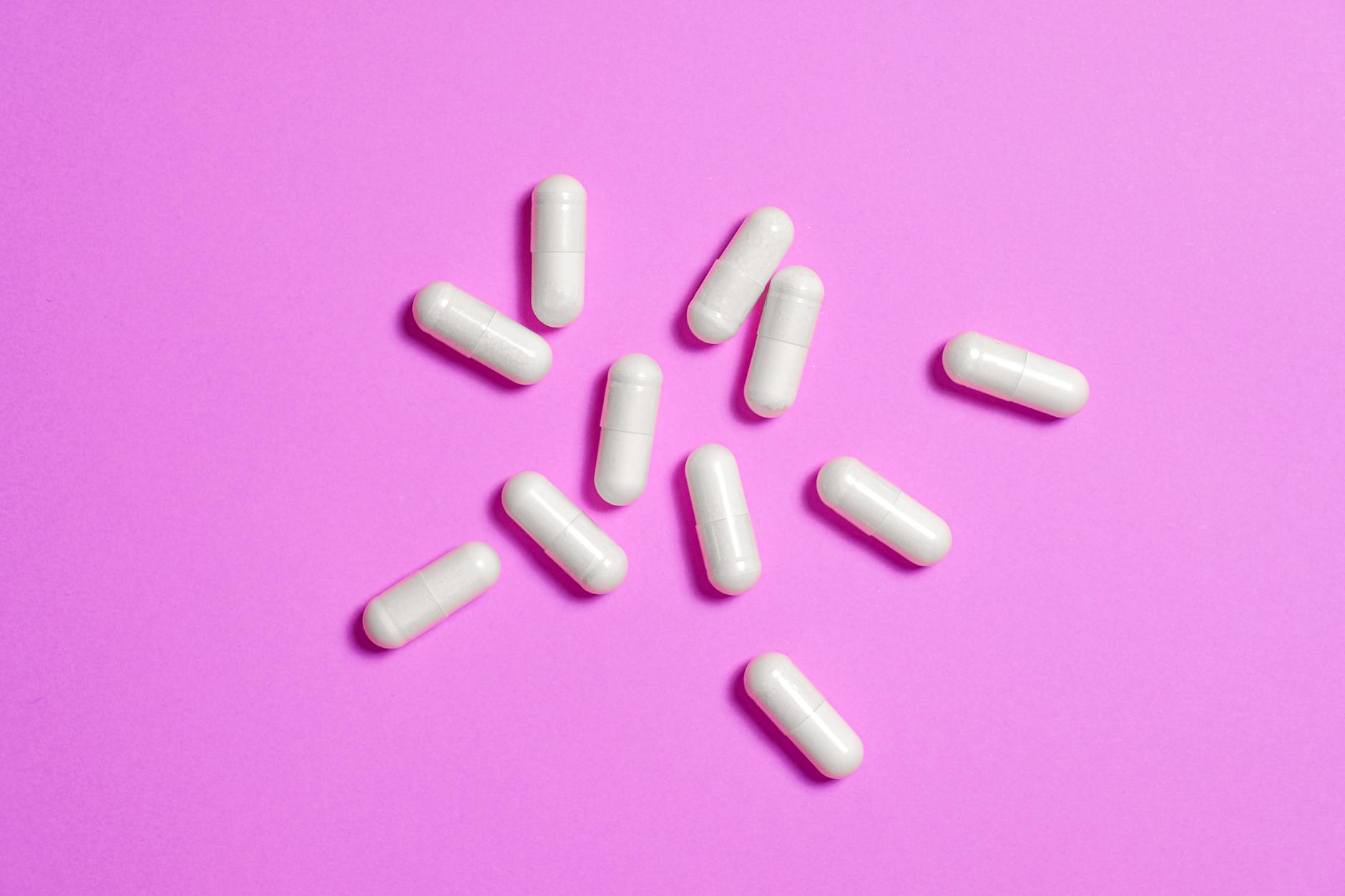
Understanding the Placebo Effect: Real Responses from Fake Treatments
The placebo effect is a phenomenon where individuals experience actual health benefits from treatments that contain no active therapeutic ingredients. This effect illustrates how our minds can influence our bodies, leading to significant changes in health outcomes.
In clinical settings, the placebo effect can have profound implications for patients and medical research. It reveals the complex interplay between psychological factors and physical health, highlighting the importance of belief and expectation in treatment outcomes.
A Surprising Medical Tool
The placebo effect serves as a powerful tool in medicine, demonstrating that belief and expectation can lead to genuine physiological changes in the body. Patients often report real relief from symptoms even when given an inactive treatment. Researchers utilize placebos in clinical trials to differentiate between the actual effects of new medications and the psychological impacts of believing one is receiving treatment. This method allows scientists to evaluate the effectiveness of new drugs while accounting for patient expectations.Real Results from Illusions
The placebo effect is not merely about positive thinking; many individuals who receive placebos are unaware they are not taking real medication. Studies indicate that between 30% to 60% of people report reduced pain after taking placebo treatments. This underscores how closely our perceptions are linked to actual physical responses.How It Works: The Science Behind Belief
Understanding the mechanisms behind the placebo effect involves exploring brain chemistry and psychological processes.Brain Chemistry at Play
One explanation for the placebo effect is the release of endorphins, which act as natural pain relievers in the brain. Research using brain scans has shown that areas associated with pain relief activate similarly for both placebo and actual treatments. This suggests that believing in a treatment’s effectiveness can trigger the body’s own pain management systems. For example, if someone believes a treatment will alleviate their pain, their brain may produce endorphins in response, similar to what occurs with real pain medications.The Role of Expectation and Conditioning
Expectations significantly influence the placebo effect. Individuals who strongly believe that a treatment will work are more likely to experience its benefits. Additionally, healthcare providers’ attitudes can affect patients’ perceptions; if a doctor expresses confidence in a treatment’s efficacy, patients may respond more positively. Conditioning also plays a role; if individuals associate a specific treatment with relief,such as taking an arthritis pill,they may experience similar relief when given an identical-looking placebo due to learned associations.Practical Applications: Where Placebo Meets Practice
The implications of the placebo effect extend into various fields, particularly medical research and patient care.Enhancing Treatment Outcomes
In clinical settings, understanding the placebo effect can enhance treatment outcomes. By recognizing how belief shapes experiences, healthcare providers can better address patient needs and expectations. This approach might involve fostering positive attitudes toward treatments or creating supportive environments conducive to healing. Research indicates that appropriately using placebos can lead to beneficial outcomes for patients alongside standard care.The Role in Clinical Trials
In clinical trials, placebos serve as control measures against which new treatments are tested. Researchers compare results from participants receiving real medications with those receiving placebos to assess efficacy and identify potential side effects. This systematic approach helps scientists determine whether observed improvements stem from the actual drug or from psychological factors such as belief and expectation.Common Misconceptions: Debunking Myths
Despite its significance, misconceptions about the placebo effect persist.Myth: Placebos are Just Sugar Pills
While “sugar pills” often symbolize placebos, they can take various forms, such as saline injections or sham surgeries, depending on the study context. The critical factor is not what they contain but how they influence perceptions and responses.Myth: Placebo Effects Are Always Positive
Not all responses to placebos are beneficial. Some individuals may experience adverse effects due to negative expectations, known as the nocebo effect. For instance, someone might feel nauseous or dizzy after taking a placebo if they expect such symptoms based on prior experiences or suggestions.Exploring the Boundaries: When Placebos Fall Short
While placebos can be effective under certain circumstances, there are limits to their impact.The Limits of Expectation
Placebos cannot cure underlying health issues. Although they may improve symptoms like pain and anxiety for some individuals, they do not address root causes or provide long-term solutions for serious conditions. Studies show that while placebos can enhance subjective feelings of wellness, they often do not lead to significant changes in objective health outcomes or disease progression.Ethical Considerations in Treatment
Using placebos in clinical practice raises ethical concerns. Healthcare providers must inform patients about their treatments; administering placebos without disclosure could undermine trust and violate ethical standards in patient care. However, utilizing placebos during clinical trials allows researchers to explore new treatment options without compromising ethical guidelines while gaining valuable insights into treatment efficacy.The Future of Placebo Research: What’s Next?
As understanding of the placebo effect evolves, so too does research surrounding it.Innovative Approaches in Medicine
Researchers are exploring innovative ways to harness the placebo effect within therapeutic contexts. This includes designing treatments that leverage psychological factors alongside traditional medical interventions to maximize patient benefits. For instance, integrating mindfulness practices or enhancing patient-provider communication could amplify positive responses to actual medications.Understanding Individual Variability
Future studies aim to uncover why some people respond more robustly than others to placebos. Genetic factors may play a role; identifying these variations could help tailor medical approaches for individual patients based on their predispositions toward responding to treatment, even if it is just a placebo.Takeaways
The placebo effect reveals how powerful our beliefs can be regarding health and recovery. While it offers valuable insights into human psychology and medicine, it is crucial not to view placebos as replacements for effective treatments for serious health issues. Ongoing research will continue to deepen our understanding of this fascinating phenomenon and its implications for future medical practices.Sources
- Placebo Effect: A Fake Treatment With a Real Response
- doi.org
- doi.org
- pubmed.ncbi.nlm.nih.gov
- doi.org
- doi.org
- doi.org
- doi.org
- doi.org
- doi.org
- doi.org
Read more about: Treatment
Why do you keep falling for the same type?
Read the article Lovemaps: the hidden blueprint of our love.
Did you not find what you were looking for? Let me help you find more.
