
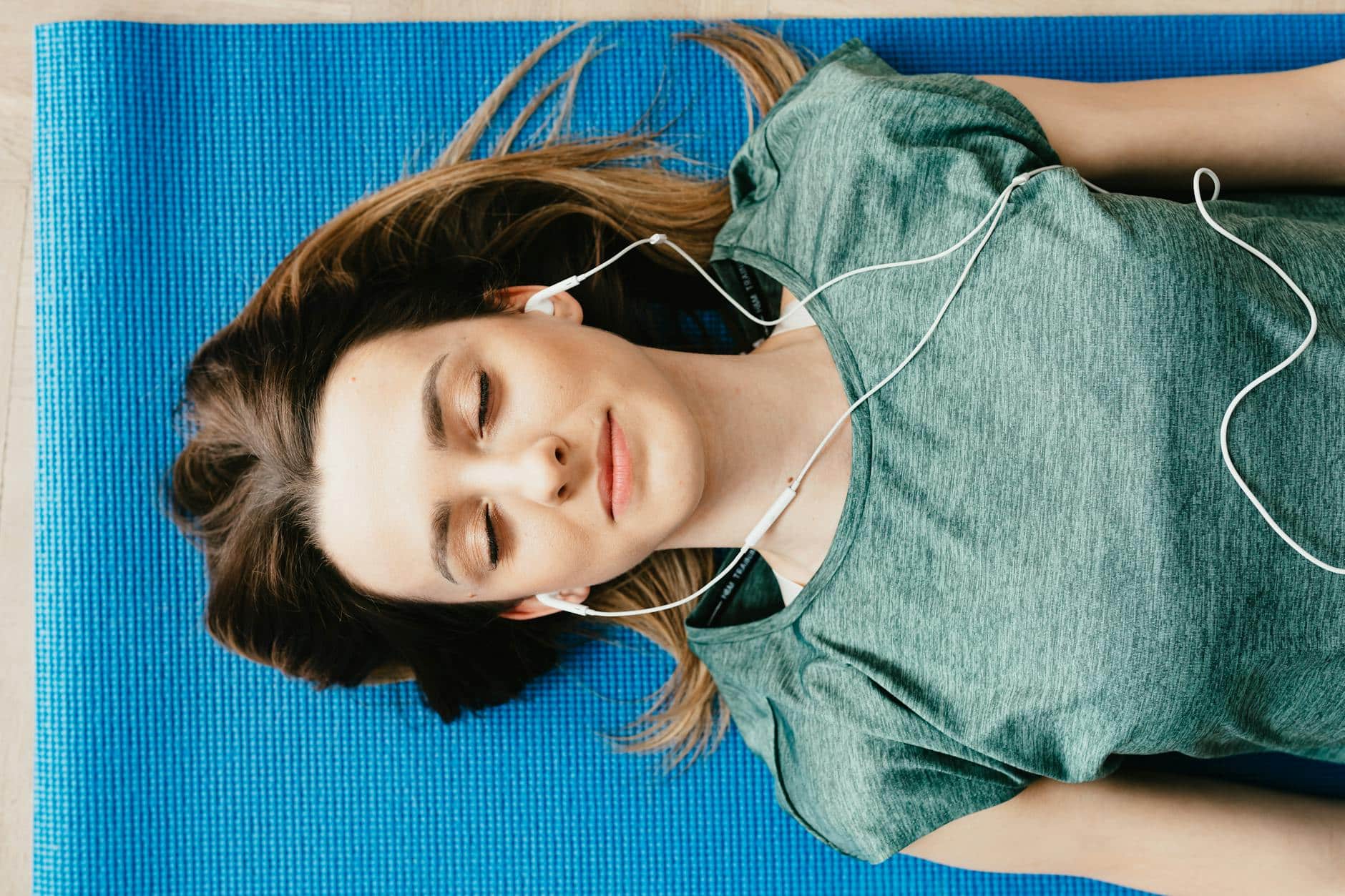
Unlocking Better Sleep: A Practical Approach
After a long day, many individuals find themselves lying in bed, unable to sleep. This nightly struggle is common; approximately 10% of adults experience insomnia, while an additional 20% occasionally face sleeplessness. Poor sleep can negatively impact both mental and physical health, making it essential to find effective solutions for better rest.
Insomnia is defined as a sleep disorder characterized by difficulty falling asleep or staying asleep, which can lead to daytime impairment or distress. Improving sleep quality is vital for enhancing overall well-being.
The Importance of Quality Rest
Quality sleep is crucial for maintaining good health and well-being. It influences mood, cognitive function, and physical performance. Insufficient restful sleep can contribute to various health issues, including anxiety, depression, and chronic illnesses. Therefore, finding effective ways to improve sleep is essential for everyone.
Common Sleep Struggles
Many people encounter various challenges related to sleep. Some may struggle to fall asleep due to racing thoughts or anxiety, while others may wake frequently during the night. Environmental factors such as noise and light can also disrupt sleep quality. Recognizing these struggles is the first step toward finding effective solutions.
Understanding Sleep Technology
How Sleep Apps Work
Sleep apps are designed to help users track their sleep patterns and improve overall sleep quality. They often include features such as sleep tracking, guided meditations, and relaxation exercises. By using these tools consistently, users can develop healthier sleep habits over time.
The Role of Data and Algorithms
Many sleep apps utilize algorithms to analyze data collected from users. This data may include factors like sleep duration, sleep stages, and disturbances throughout the night. By processing this information, the apps provide personalized insights and recommendations aimed at improving users’ sleep experiences.
How It Works: A Closer Look at Sleep Apps
Tracking Sleep Patterns
Most sleep apps allow users to manually input their bedtime and wake-up time. Some also use sensors or smartphones to detect movements during the night to gather data on sleeping patterns. This information helps users understand their sleeping habits better and identify areas for improvement.
Guided Relaxation Techniques
In addition to tracking sleep, many apps offer guided relaxation techniques such as meditation and breathing exercises. These practices are designed to help users unwind before bed, making it easier to fall asleep. Regularly incorporating these techniques into a nightly routine can lead to better rest.
Debunking Misconceptions About Sleep Aids
Myth: All Sleep Apps Are the Same
Not all sleep apps provide the same features or effectiveness. Some focus primarily on tracking while others offer comprehensive resources like relaxation techniques and educational content about sleep hygiene. Users should explore various options to find an app that meets their specific needs.
Myth: You Should Only Use Apps for Insomnia
While many people turn to apps primarily for insomnia, they can benefit anyone looking to improve overall sleep quality. Whether someone has consistent issues or simply wants to enhance their bedtime routine, these apps can offer valuable support.
Navigating the App Landscape
Features to Look For
When choosing a sleep app, consider features that align with personal goals. Look for options that provide tracking capabilities, guided relaxation exercises, and educational resources about improving sleep hygiene. User reviews can also provide insight into the effectiveness of different apps.
User Experience and Engagement
An engaging user interface can significantly influence how consistently someone uses a sleep app. Look for apps that are easy to navigate and encourage regular interaction through reminders or personalized feedback based on user data.
Integrating Sleep Apps into Your Routine
Setting Realistic Goals
When starting with a new app, it’s essential to set realistic goals. Instead of expecting immediate results, focus on gradually incorporating features into your routine. Small changes over time can lead to significant improvements in sleep quality.
Combining Technology with Healthy Habits
In addition to using a sleep app, adopting healthy lifestyle habits is crucial for improving sleep quality. Regular exercise, maintaining a consistent bedtime schedule, and creating a calming bedtime environment can complement the benefits of using technology.
The Future of Sleep Technology
Emerging Trends in Sleep Science
The field of sleep science continues to evolve with new research revealing insights into how technology can aid better rest. Innovations such as wearable devices that monitor physiological parameters during sleep are becoming increasingly popular.
The Impact of AI on Sleep Quality
Artificial intelligence is playing an integral role in enhancing our understanding of sleeping patterns and improving them. Future advancements may lead to even more personalized recommendations based on individual needs and preferences.
In conclusion, improving your sleep doesn’t have to be daunting. With well-designed sleep apps, individuals can take proactive steps toward better rest and overall health. By understanding how these technologies work and integrating them into daily routines alongside healthy habits, anyone can unlock better sleep patterns that lead to enhanced well-being.
Sources
- The Best Sleep Apps, According to a Therapist
- www.calm.com
- www.sleepwatchapp.com
- pillow.app
- sleepcycle.com
- www.thesleepreset.com
- pubmed.ncbi.nlm.nih.gov
- pubmed.ncbi.nlm.nih.gov
- www.sleepfoundation.org
Articles
- Top Online Psychiatry Services Recommended by a Therapist
- Babesiosis: Understanding the Tick-Borne Blood Infection Risks
- Understanding Vivid Dreams: Causes and How to Manage Them
- Zoloft: Key Information on Uses, Dosages, Side Effects, and Precautions
- Hypnosis, Meditation, and Relaxation Techniques for Pain Management
- Understanding Vitamin D Deficiency: Causes, Symptoms, and Risks
Days
Why do you keep falling for the same type?
Read the article Lovemaps: the hidden blueprint of our love.
Did you not find what you were looking for? Let me help you find more.
