
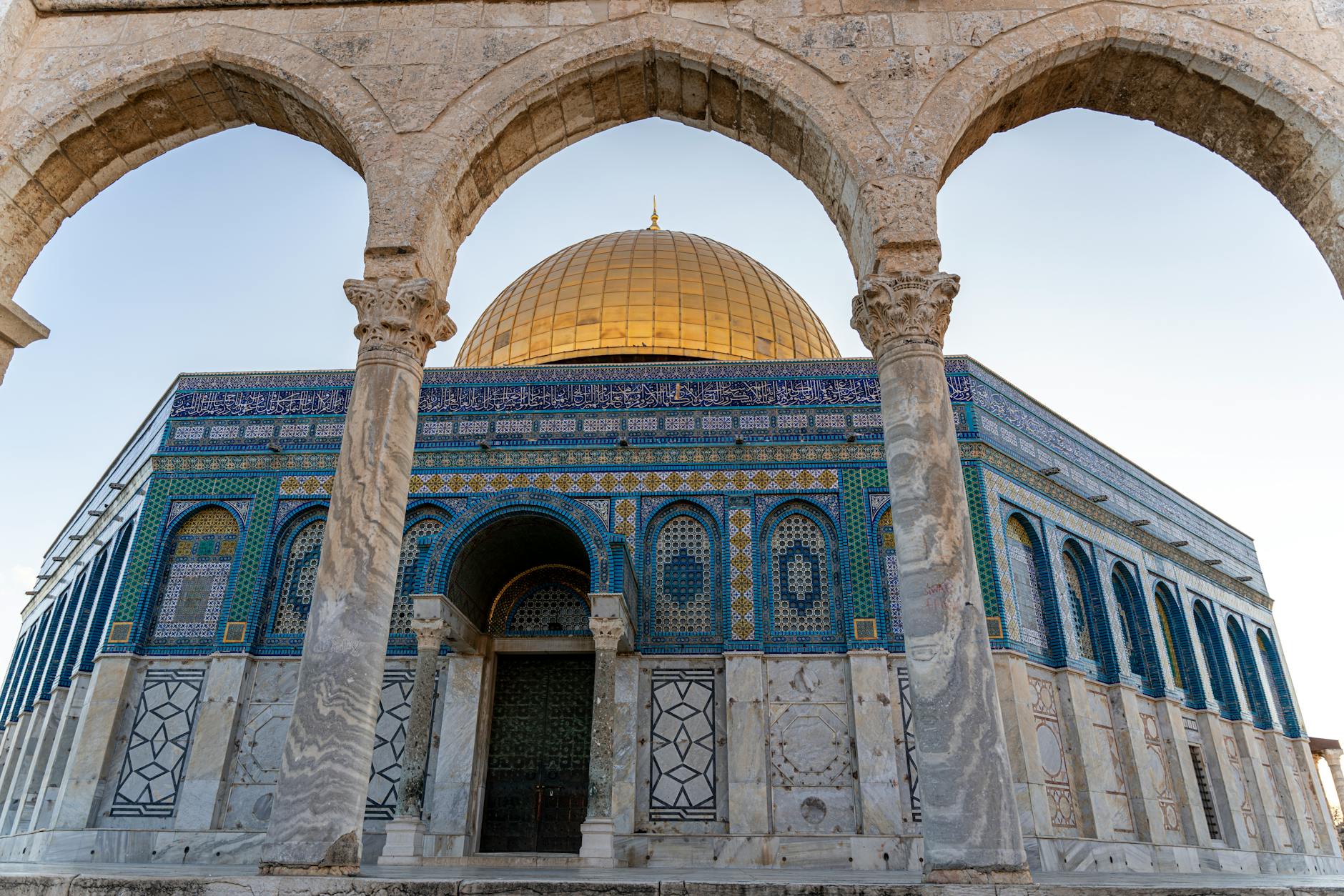
Understanding Abraham’s Enduring Legacy
Abraham is a central figure in Judaism, Christianity, and Islam, whose life and faith have shaped the beliefs of millions around the world. He is revered as a patriarch in these religions, and his relationship with God serves as a foundational story for understanding God’s connection with humanity. According to biblical tradition, Abraham was born around the 20th century BCE in or near the city of Ur in Mesopotamia. He embarked on a transformative journey that would influence countless generations, making him a pivotal figure in these three major religions.
Why Abraham Matters Today
Abraham embodies themes of faith, resilience, and the quest for belonging. His story resonates with people seeking guidance in times of uncertainty. By exploring his life, we can better understand our own spiritual journeys and the values we hold dear.
Abraham Across Cultures
In Judaism, Abraham represents the first monotheist who established a covenant with God. For Christians, he symbolizes faith and obedience, serving as an ancestor of Jesus Christ. In Islam, Abraham (Ibrahim) is honored as a prophet and model of submission to God’s will. Each tradition draws from his narrative to enrich its teachings about faith and morality.
The Concept of Faith
The Roots of Belief
Faith is central to Abraham’s story. His trust in God led him to leave his homeland and embark on a journey into the unknown. This act of faith illustrates how belief can inspire courage and determination in facing life’s challenges.
Faith in Action: Stories and Symbolism
The Bible recounts that at age 75, Abraham received a divine calling from God (Yahweh) to move to an unknown land where he would be blessed. Genesis 12:1-3 states that God promised to make Abraham into a great nation and bless him abundantly. Abraham trusted God’s promise and took his family on this perilous journey. His willingness to follow God’s command despite potential dangers highlights the essence of faith in action.
Abraham’s Historical Context
The Societal Landscape of Ancient Times
Abraham lived during a time marked by polytheism and tribal customs. His journey through Mesopotamia to Canaan reflects the cultural exchanges occurring within the ancient Near East. The interactions between diverse peoples shaped his understanding of faith and identity.
Influences on Early Religions
The stories surrounding Abraham contributed significantly to the development of monotheistic beliefs. His covenant with God laid the groundwork for how future generations would view their relationship with the divine. This historical context reveals how Abraham’s legacy influenced early religious thought.
Common Myths About Abraham
The Misconception of Monotheism’s Origin
Many believe that Abraham was solely responsible for introducing monotheism. While he played a vital role, early forms of monotheistic thought likely existed before him within certain cultures. Understanding this nuance helps clarify misconceptions about his contributions.
Misunderstanding Abraham’s Role in Different Faiths
Some people mistakenly view Abraham as merely an icon for one religion rather than recognizing his significance across all three Abrahamic faiths. Each religion offers unique interpretations of his life that deepen our understanding of shared values.
The Impact of Abrahamic Traditions on Society
Cultural Contributions and Ethical Frameworks
The teachings stemming from Abraham’s life have enriched various cultures through moral codes and legal systems derived from religious texts. His narrative encourages ethical behavior, compassion, and justice in human interactions.
Modern Interpretations and Adaptations
Today, reinterpretations of Abraham’s story continue to inspire discussions about faith in contemporary society. His journey serves as a metaphor for personal growth, illustrating how individuals can navigate uncertainty while remaining true to their beliefs.
Lessons from Abraham’s Journey
Resilience and Adaptability
Abraham faced numerous challenges throughout his life but demonstrated remarkable resilience. From navigating famine to dealing with family conflicts, his ability to adapt teaches us valuable lessons about perseverance amidst adversity.
Bridging Divides Through Shared Heritage
The shared narratives surrounding Abraham offer opportunities for interfaith dialogue among Judaism, Christianity, and Islam. By embracing these commonalities, communities can foster understanding and cooperation across cultural divides.
The Future of Abrahamic Narratives
Interfaith Dialogues and Cooperation
The legacy of Abraham encourages ongoing conversations among different faith communities. These dialogues promote respect for diverse beliefs while highlighting shared values that unite humanity.
The Evolution of Beliefs in Contemporary Society
As societies evolve, so do interpretations of religious texts related to Abraham. New understandings can emerge from modern perspectives on ethics, social justice, and personal identity while honoring traditional beliefs.
In conclusion, Abraham’s story remains relevant today as it embodies core human values such as faith, resilience, and unity across cultures. By reflecting on his legacy, individuals can find inspiration for their own journeys while fostering connections with others who share similar ambitions for peace and understanding.
Sources
Why do you keep falling for the same type?
Read the article Lovemaps: the hidden blueprint of our love.
Did you not find what you were looking for? Let me help you find more.
