
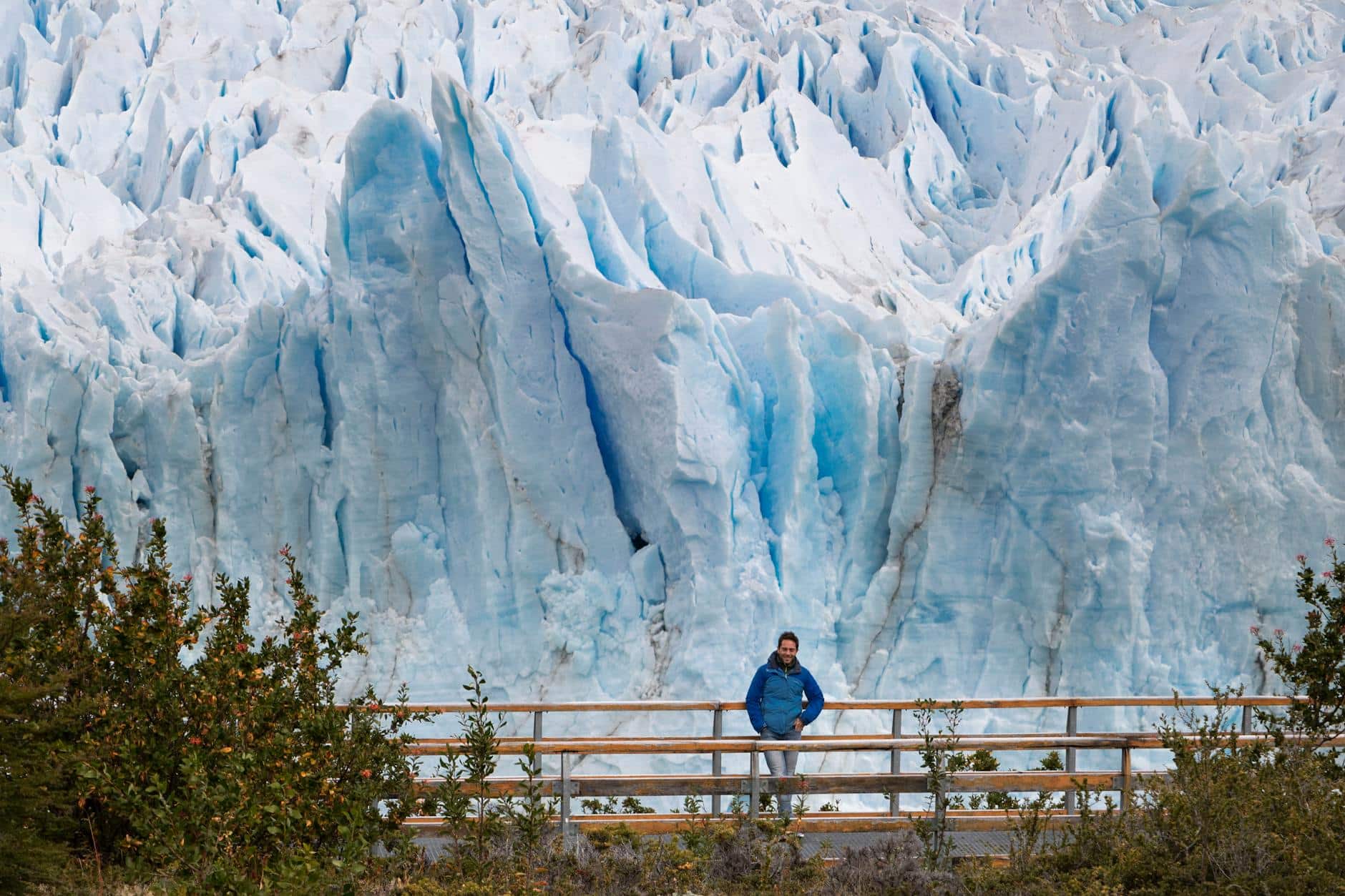
The Last Glacial Period: Overview of Major Ice Age Events and Impact
The Last Glacial Period (LGP), which occurred from approximately 115,000 to 11,700 years ago, was a time when massive ice sheets covered large parts of the Earth, profoundly influencing climate, ecosystems, and human life. This period is defined as the most recent phase of glaciation in the Northern Hemisphere and corresponds to most of the Late Pleistocene epoch.
During the LGP, significant fluctuations in climate and ice coverage impacted sea levels and biodiversity. Understanding this era helps scientists grasp current climate trends and their potential future implications.
The Climate Connection
The LGP was characterized by significant climatic shifts. Temperatures fluctuated dramatically, leading to alternating periods of glacial advance and retreat. The Last Glacial Maximum (LGM), occurring around 26,000 to 20,000 years ago, marked the peak of this glaciation when ice reached its greatest extent.
These climatic changes resulted in lower global sea levels due to water being trapped in ice sheets, which altered coastlines and marine habitats. Studying these changes allows us to draw parallels with contemporary climate variations, highlighting the potential for similar dramatic shifts in our current climate.
Lessons from the Past
The LGP teaches us crucial lessons about resilience and adaptation. As ecosystems evolved in response to changing climates, many species thrived while others faced extinction. For example, megafauna like woolly mammoths roamed vast tundras but eventually went extinct as conditions warmed.
By studying these past responses to climate change, researchers gain insights into how modern species might react as global temperatures rise today. Protecting biodiversity in a rapidly changing world is essential for maintaining ecosystem stability and resilience.
What Caused the Ice to Advance?
Earth’s Natural Cycles
The advancement of glaciers during the LGP can be attributed to Earth’s natural cycles influenced by various factors including geological activity and ocean currents. Changes in these systems can lead to long-term climatic shifts that promote glaciation.
Solar Influence and Orbital Changes
Solar radiation plays a pivotal role in climate patterns through Milankovitch cycles,variations in Earth’s orbit and axial tilt that affect solar energy received by different regions. These orbital changes can trigger glacial periods by altering seasonal contrasts and temperature distributions across the planet.
The Ice Age Landscape: A World Transformed
Glacial Features and Their Formation
The landscape during the LGP was dramatically different from today. Large ice sheets sculpted valleys and created unique landforms such as fjords and drumlins. The Laurentide Ice Sheet covered much of Canada and parts of the northern United States.
This transformation reshaped not only the physical geography but also the ecosystems that thrived in these environments. As glaciers advanced, they pushed debris ahead of them, forming moraines that tell the story of their movement across the land.
Impact on Flora and Fauna
The ice age transformed habitats for plants and animals alike. Many species adapted to colder climates while others migrated southwards or faced extinction due to habitat loss. Notably, the LGP coincided with the Quaternary extinction event, during which many large mammals disappeared from various regions.
This extinction event offers critical insight into how species respond to rapid environmental changes,a lesson that remains relevant as we face unprecedented climate challenges today.
How It Works: The Mechanics of Glaciation
The Role of Temperature and Precipitation
Temperature and precipitation are fundamental drivers of glaciation. During colder periods, more snow accumulates than melts during warmer months, leading to glacier formation. As glaciers grow thicker under this accumulation, they exert pressure on underlying landmasses.
Feedback Loops in Climate Systems
The dynamics of glaciation involve complex feedback loops within climate systems. Increased ice cover reflects sunlight (the albedo effect), further cooling surrounding areas. Conversely, melting glaciers can release freshwater into oceans, disrupting ocean currents and potentially leading to additional warming,a cycle with significant effects on global climates.
The Human Story During the Ice Ages
Migration Patterns and Survival Strategies
Diverse human populations adapted their lifestyles to survive during the LGP. As glaciers expanded, they influenced migration patterns across continents. Early humans followed herds of megafauna or sought warmer climates as conditions changed.
This adaptability highlights how ancient people responded resourcefully to environmental challenges,an enduring testament to human resilience throughout history.
Cultural Developments in Harsh Conditions
Despite harsh climates, cultural advancements flourished during this period. Communities developed tools for hunting and gathering while creating art reflecting their experiences with nature. These cultural artifacts provide valuable insights into early human societies’ interactions with their environments.
Common Myths About Ice Ages
Myth: Ice Ages Were Always Cold
A common misconception is that ice ages were consistently cold throughout their duration. In reality, they experienced significant temperature fluctuations with periods of warming interspersed between colder phases,a pattern that mirrors today’s climate variability.
Myth: Humans Were Absent During the Ice Ages
Another myth suggests that humans were absent during these periods. In fact, early humans adapted to changing conditions, migrating alongside shifting ecosystems as glaciers advanced and retreated over millennia.
The Legacy of the Last Glacial Period
Modern Climate Change Insights
The insights gained from studying the LGP are invaluable today as we navigate modern climate change challenges. Understanding how past climates have shifted helps inform predictions about future changes,especially regarding rising temperatures and sea levels linked to melting polar ice.
Preserving Our Planet’s Future
Ultimately, examining our planet’s past equips us with knowledge critical for preserving its future. By learning from historical climate events like the Last Glacial Period, we can better prepare for ongoing environmental challenges while fostering resilience in both natural ecosystems and human societies.
Sources
- Last Glacial Period – Wikipedia
- en.wiktionary.org
- www.science.org
- www.geology.wisc.edu
- web.archive.org
- ui.adsabs.harvard.edu
- doi.org
- www.agu.org
- www.osti.gov
- web.archive.org
- ui.adsabs.harvard.edu
Articles
- Indus River: Geographic Overview and Historical Significance
- Homo Erectus: An Extinct Archaic Human Species from the Pleistocene
Why do you keep falling for the same type?
Read the article Lovemaps: the hidden blueprint of our love.
Did you not find what you were looking for? Let me help you find more.
