
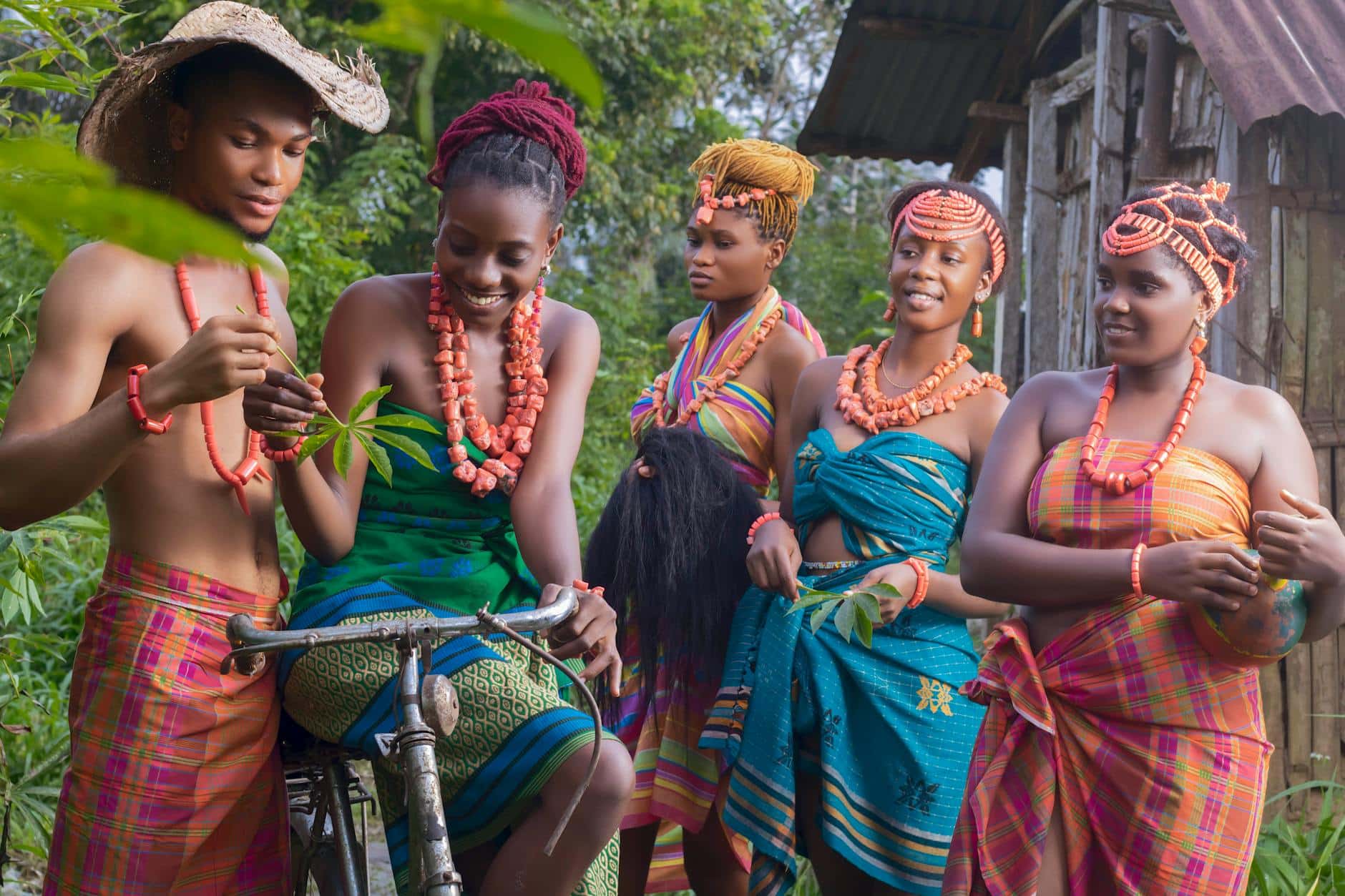
Many people think Black studies only covers historical events. This view oversimplifies the field's scope and significance. Black studies explores a range of topics, including culture, politics, and contemporary issues. Readers will gain a clearer understanding of what Black studies truly encompasses.
Unlocking Cultural Heritage: Why Black Studies Matters Today
Black studies, also known as Africana studies, is an interdisciplinary academic field that primarily explores the history, culture, and politics of Black people from Africa and the African diaspora. This field is significant because it addresses narratives often overlooked in traditional education, fostering empowerment and understanding among diverse communities.
The Relevance in Everyday Life
Black studies is not just an academic pursuit; it plays a vital role in everyday life for many people. It influences social justice movements, cultural expressions, and community building. By examining historical contexts and current issues, it helps individuals understand systemic inequalities and inspires active engagement in social change.
Empowering Communities through Knowledge
Through its focus on African-American history, literature, and culture, Black studies empowers communities by validating their experiences and providing tools for advocacy. It encourages critical thinking about race relations and fosters pride in cultural heritage, creating connections across generations.
Understanding the Foundations of Black Studies
Key Concepts and Themes
Central to Black studies are several key concepts including race, identity, power dynamics, and intersectionality. These themes help students analyze how historical events shape contemporary society and influence personal identities. For example, the impact of slavery and segregation continues to affect economic opportunities for many Black Americans today.
The Role of Intersectionality
Intersectionality is a crucial framework in Black studies that examines how various social identities,such as race, gender, class, and sexuality,interact to create unique experiences of oppression or privilege. By understanding these intersections, scholars can provide a more nuanced analysis of societal issues.
How It Works: The Framework of Black Studies
Interdisciplinary Approaches
Black studies employs interdisciplinary approaches by integrating insights from sociology, history, literature, anthropology, and political science. This breadth allows for comprehensive examinations of topics related to the African diaspora, enriching students’ understanding of complex societal structures.
Methodologies in Action
Various methodologies are used within Black studies to explore different aspects of the Black experience. These include qualitative research methods like interviews and ethnographies that capture personal narratives alongside quantitative data that reflects broader trends within communities. This combination provides a holistic view of issues affecting Black individuals.
Common Misunderstandings about Black Studies
Myth: It’s Only About History
A common misconception is that Black studies solely focuses on historical events. While history is a critical component, the field also examines contemporary issues such as racial inequality, cultural production, and social movements. It emphasizes ongoing struggles for justice and equity.
Myth: It’s Not Relevant to Everyone
Some believe that Black studies only pertains to those within the Black community. However, its themes resonate universally as they address issues of justice, equity, and human rights that affect all people. Understanding these concepts can foster empathy and solidarity across diverse groups.
Exploring the African Diaspora: A Global Perspective
Cultural Exchange and Influence
The African diaspora has led to significant cultural exchanges around the world. From music genres like jazz and reggae to culinary traditions like soul food, these influences enrich global culture while highlighting the resilience of African-descended peoples.
Modern Movements and Their Roots
Many contemporary social movements draw inspiration from historical struggles faced by Black communities globally. Movements like Black Lives Matter connect past injustices with today’s fights against police brutality and systemic racism, demonstrating the relevance of Black studies in addressing ongoing challenges.
The Impact of Black Studies on Society
Shaping Public Discourse
Black studies shapes public discourse by challenging dominant narratives around race and identity. It encourages critical discussions about privilege, systemic racism, and cultural representation in media and politics. This engagement fosters a more inclusive society where diverse voices are acknowledged.
Contributions to Social Justice Initiatives
The knowledge gained through Black studies informs social justice initiatives aimed at dismantling systemic inequalities. Scholars often collaborate with community organizations to create programs that address educational disparities, health inequities, and economic injustices faced by marginalized groups.
The Future of Black Studies: Challenges and Opportunities
Navigating Institutional Barriers
Despite its importance, Black studies faces challenges within academic institutions such as underfunding and lack of administrative support. Advocates continue to fight for resources that ensure these programs can thrive and effectively serve students’ needs.
Innovations in Teaching and Learning
The future of Black studies lies in innovative teaching methods that incorporate technology and community engagement. Online platforms can enhance accessibility to resources while encouraging collaborative learning experiences that extend beyond traditional classroom settings.
As we look towards the future, it’s essential to recognize the vital role that Black studies plays in shaping society’s understanding of race, identity, and culture. By empowering individuals through education about their heritage and contemporary issues, we can foster a more just world for everyone.
Sources
- Black studies – Wikipedia
- fr.wikipedia.org
- africanajournal.org
- www.jpanafrican.org
- www.aanylh.com
- journals.library.columbia.edu
- scaasi.info
- ncbsonline.org
- jaamejournal.scholasticahq.com
- education.wsu.edu
- www.education.pitt.edu
Afterword
Returning to the observation, it's clear that many people limit their view of Black studies to history alone. This narrow perspective misses the broader themes and current relevance of the field. After reading, readers will better appreciate the diverse aspects of Black studies and its impact today.
Why do you keep falling for the same type?
Read the article Lovemaps: the hidden blueprint of our love.
Did you not find what you were looking for? Let me help you find more.
