
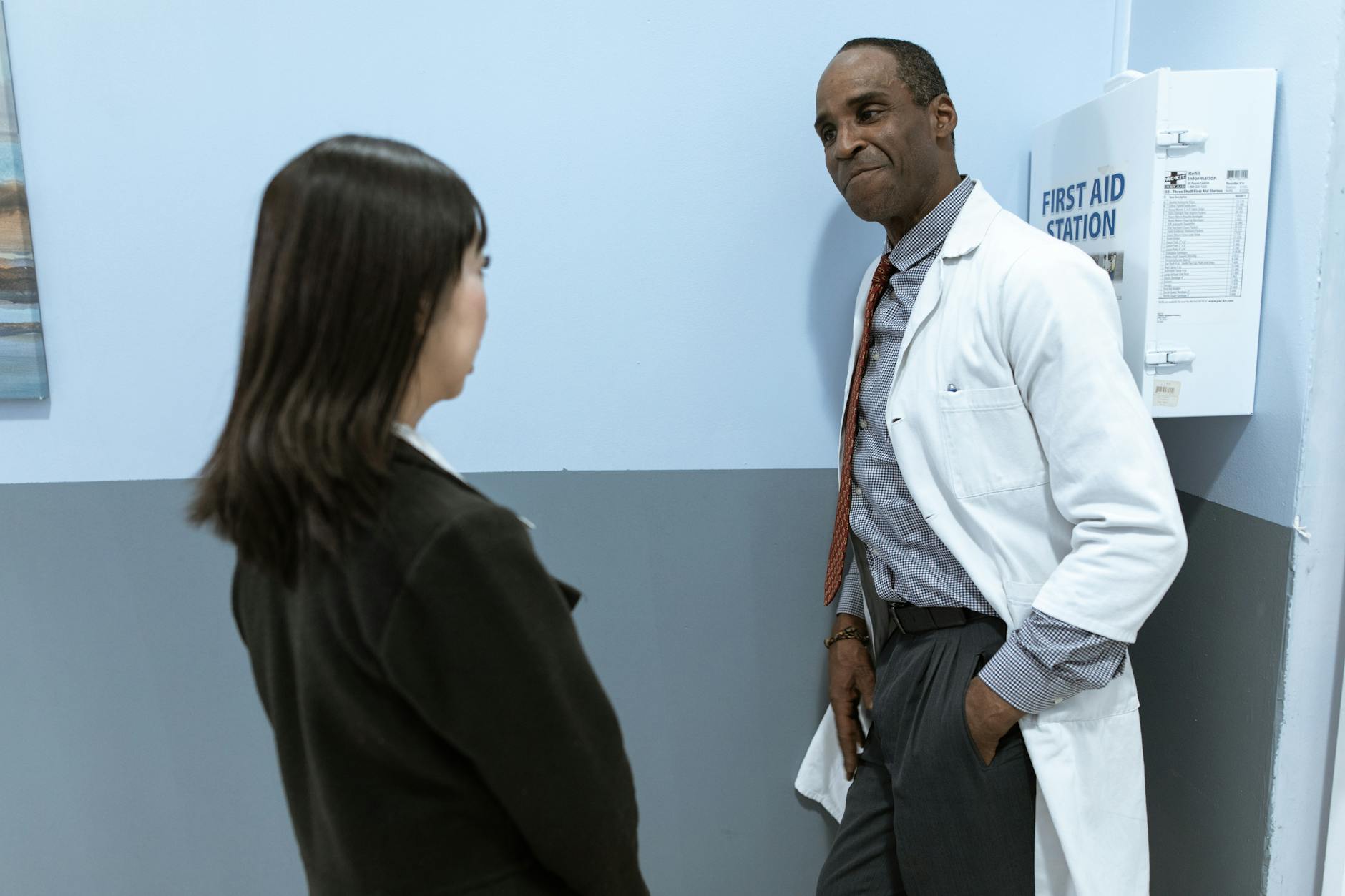
Many people confuse medical humanities with just literature and art. This view oversimplifies the field's broader scope and significance. Medical humanities blend various disciplines to enhance healthcare practices. After reading, the reader will better understand its comprehensive role in health.
Why Medical Humanities Matter in Everyday Health
Medical humanities represent an interdisciplinary approach that integrates the arts and sciences to enhance healthcare. This field is significant because it influences how healthcare professionals engage with patients, ultimately affecting health outcomes and well-being.
Medical humanities can be defined as an interdisciplinary field that combines insights from various disciplines, including literature, art, philosophy, and ethics, to improve medical education and practice. This approach captures multiple perspectives on health and illness, enriching our understanding of human experiences in healthcare.
Bridging the Gap Between Science and Compassion
Medical humanities serve as a bridge between the scientific aspects of medicine and the human experiences of health and illness. This field encourages healthcare providers to consider not just clinical facts but also the emotional and social contexts surrounding their patients. By integrating these perspectives, medical practitioners can cultivate empathy, leading to more holistic care.
Real-Life Applications in Patient Care
In practice, medical humanities can take many forms, such as narrative medicine, where storytelling becomes central to understanding patients' experiences. For instance, doctors may read literary works or engage in creative writing exercises focused on patient experiences, enhancing their ability to connect with those they serve. This connection fosters trust and improves communication, making it easier for patients to share their concerns.
Exploring the Interdisciplinary Nature of Medical Humanities
The Fusion of Arts and Sciences
At its core, medical humanities combine various fields,humanities, social sciences, and arts,to explore health-related issues. This fusion allows for innovative approaches to education and practice. For example, incorporating visual arts into medical training helps students appreciate different viewpoints on health and illness. By examining artworks or performances related to health topics, students gain insights into cultural beliefs and values that shape patient experiences.
Key Disciplines Involved
Several disciplines contribute to medical humanities:
- Literature: Engaging with narratives helps practitioners understand the complexities of patient experiences.
- Philosophy: Ethical considerations guide decision-making in healthcare practices.
- Visual Arts: Art provides alternative ways to communicate health-related issues.
- Social Sciences: Fields like psychology and sociology help analyze the social determinants of health.
How It Works: The Mechanisms Behind Medical Humanities
Integrating Narrative Medicine
Narrative medicine emphasizes the importance of storytelling in healthcare. By encouraging doctors to listen to patients' stories, this approach helps bridge gaps in understanding. When doctors encourage patients to articulate their experiences, they can uncover hidden aspects of their illness that may not be evident through clinical assessments alone.
Enhancing Empathy Through Creative Expression
Creative expression plays a vital role in enhancing empathy among healthcare professionals. Activities such as writing poetry or engaging in visual arts help practitioners reflect on their feelings and biases. These exercises foster a deeper emotional connection to patients’ experiences, allowing for more compassionate care.
Common Misconceptions About Medical Humanities
Myth: It’s Just About Literature and Art
Many people think medical humanities only focus on literature or art. While these elements are significant, the field encompasses much more. It integrates various disciplines like ethics, history, and social sciences to provide a comprehensive understanding of healthcare practices.
Myth: Only for Healthcare Professionals
Another misconception is that medical humanities are relevant only for those working in healthcare. In reality, this interdisciplinary approach benefits everyone involved in health,patients, families, caregivers, and communities alike. By fostering a broader understanding of health-related issues, medical humanities encourage collaboration across different sectors.
The Impact on Patient Outcomes and Well-Being
Cultivating Better Doctor-Patient Relationships
The integration of medical humanities has shown positive impacts on doctor-patient relationships. When practitioners engage with patients' stories through narrative medicine or other creative methods, they build trust and rapport. This connection enhances communication, enabling better diagnosis and treatment plans tailored to individual needs.
Improving Mental Health Through Storytelling
Storytelling plays a crucial role in mental health support within medical humanities. Sharing personal narratives can empower patients by validating their experiences and emotions. This process aids healing while fostering resilience by helping individuals reframe their challenges.
Case Studies: Success Stories in Medical Humanities
Pioneering Programs Across the Globe
Various institutions worldwide have embraced medical humanities programs with success. Some medical schools incorporate literature courses into their curricula to enhance empathy among future doctors. These programs have resulted in improved communication skills among students and better patient care outcomes.
Transformative Experiences for Patients and Practitioners
Case studies illustrate how medical humanities transform both patient care and practitioner experiences. Workshops where healthcare providers participate in creative writing or art activities often lead to reduced burnout and increased job satisfaction. Likewise, patients who engage with these programs find comfort in sharing their stories within supportive environments.
The Future of Medical Humanities in Healthcare Education
Curriculum Innovations in Medical Schools
Medical schools are increasingly integrating medical humanities into their curricula to better prepare future healthcare professionals. These innovations include courses focused on ethics, history of medicine, and narrative practices that emphasize compassionate care alongside clinical skills.
Preparing a New Generation of Healers
As medical education evolves, cultivating a new generation of healers equipped with both scientific knowledge and empathetic understanding is essential. By fostering critical thinking through arts-based approaches, future healthcare providers will be better prepared to navigate complex patient interactions effectively.
The integration of medical humanities into healthcare is reshaping our understanding of health and illness. By combining diverse disciplines,literature, art, philosophy,with traditional medical training, we can enhance empathy among practitioners while improving patient outcomes. As this interdisciplinary approach continues to grow within educational settings, it holds immense potential for transforming healthcare delivery.
Sources
- Medical humanities – Wikipedia
- web.archive.org
- medhum.med.nyu.edu
- mh.bmj.com
- www.healthhumanities.org
- doi.org
- pubmed.ncbi.nlm.nih.gov
- www.ncbi.nlm.nih.gov
- doi.org
- search.worldcat.org
- pubmed.ncbi.nlm.nih.gov
Afterword
Returning to the initial observation, it's clear that medical humanities encompass much more than literature and art. This interdisciplinary approach enriches healthcare by integrating insights from multiple fields. Understanding this complexity allows for a deeper appreciation of how these elements work together to improve patient care.
Why do you keep falling for the same type?
Read the article Lovemaps: the hidden blueprint of our love.
Did you not find what you were looking for? Let me help you find more.
