
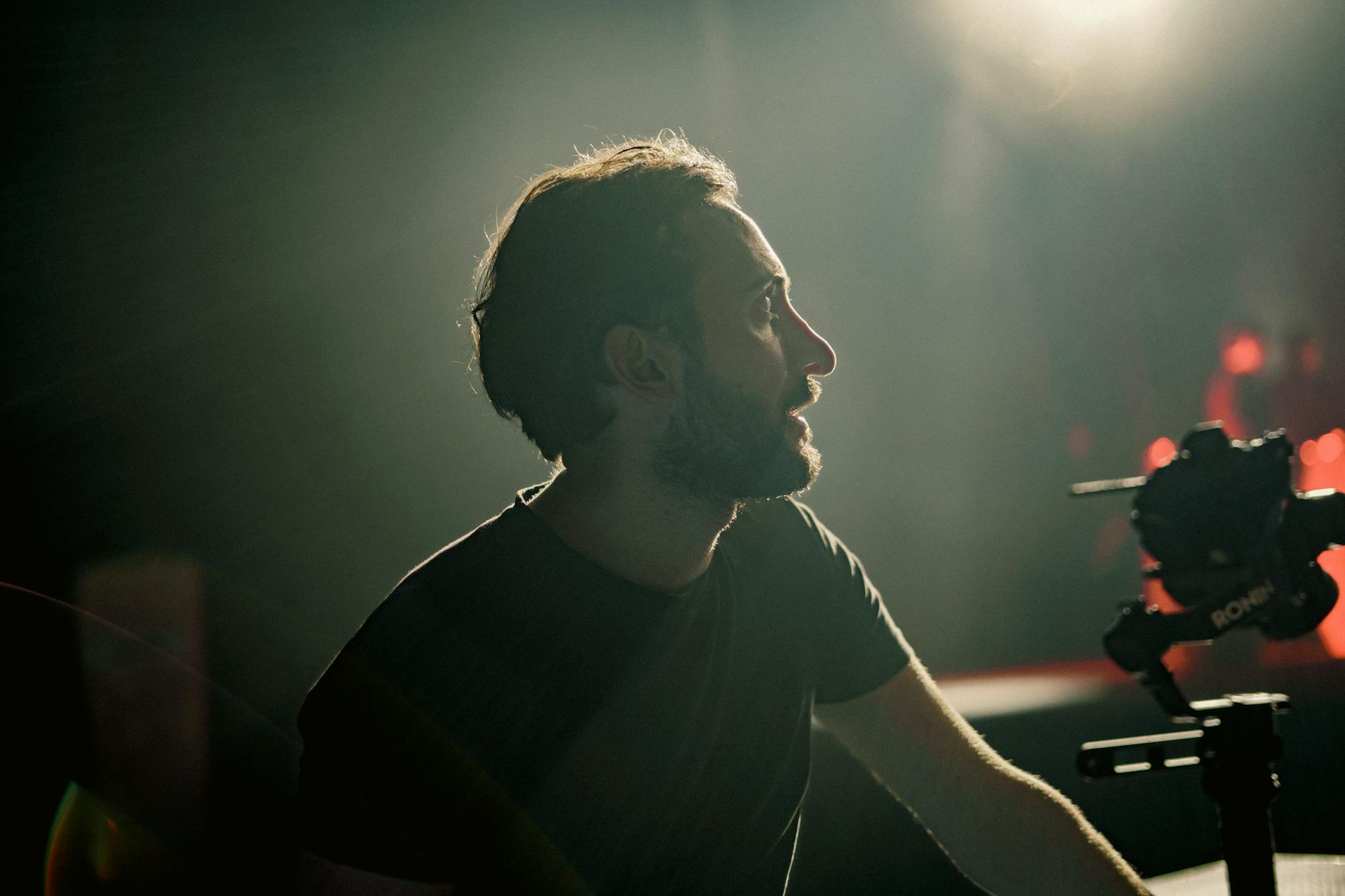
Many people confuse stagecraft with just flashy effects. They often overlook its role in storytelling. Stagecraft involves the technical aspects of theater and film production. After reading, the reader will better understand its true purpose and significance.
Bringing Stories to Life: The Magic Behind the Curtain
In a small community theater, volunteers gather each week to transform a bare stage into a vibrant world filled with characters and stories. With every prop placed and light adjusted, they bring scripts to life, creating memorable experiences for their audiences. Stagecraft is the technical aspect of theatrical, film, and video production. It is essential because it enables artistic visions to manifest, influencing how audiences perceive and connect with stories. Stagecraft focuses on practical implementation rather than artistic design.
The Role of Practical Effects
Practical effects play a vital role in stagecraft by enhancing the audience's experience through tangible elements. These effects can range from simple stage tricks to complex illusions that create stunning visual spectacles. Techniques such as pyrotechnics, smoke machines, and animatronics add excitement and realism to performances.
Immersive Audience Experiences
Creating immersive experiences is a key goal of stagecraft. This involves integrating various elements,lighting, sound, set design, and props,to transport the audience into the story's world. For example, using surround sound can make a scene feel more dynamic, while interactive set pieces allow audience members to feel as if they are part of the performance.
How It All Comes Together
The magic of stagecraft lies in collaboration across disciplines. Designers, technicians, and performers work together to ensure every aspect aligns with the director’s vision. This teamwork fosters creativity and problem-solving, allowing for adjustments during rehearsals and performances.
Collaboration Across Disciplines
Stagecraft requires input from various professionals including directors, designers, technicians, and performers. Each group contributes unique expertise: lighting designers create mood with illumination; sound designers craft auditory landscapes; and carpenters build intricate sets. Their combined efforts help realize the director’s artistic vision.
The Creative Process from Concept to Performance
The journey from concept to performance begins with script analysis and idea development. Designers sketch initial concepts before constructing models that detail how sets will look and function. Rehearsals then bring these designs to life as performers practice their roles amid evolving technical elements like lighting cues and sound effects.
How It Works: The Mechanics of Stagecraft
Transforming ideas into reality involves understanding various components and technologies used in stagecraft. Each element plays a critical role in ensuring a seamless experience for both performers and audiences.
Transforming Ideas into Reality
Realizing a production involves several key processes: set construction creates physical environments; lighting design shapes atmosphere; sound design enhances storytelling; and costume design defines characters visually. Each area requires specialized knowledge and skills to execute effectively.
The Technology Behind the Scenes
Modern stagecraft relies heavily on technology. From computerized lighting systems that allow for precise control of effects to sophisticated audio mixing boards that blend sounds seamlessly, technology enhances live performance significantly. Equipment such as LED lights, fog machines, and advanced rigging systems have transformed how productions are staged.
Common Misconceptions About Stagecraft
Many people think stagecraft is merely about glitz and glamour or that it is only for trained professionals. In reality, it encompasses much more than flashy effects; it is about storytelling through technical means. Community theaters demonstrate that anyone with passion can contribute to stagecraft.
It’s Just About the Glitz and Glamour
While visual spectacle is an aspect of stagecraft, the focus on storytelling is paramount. Effective stagecraft integrates all elements,lighting, sound, set design,to support the narrative rather than overshadow it. The goal is always to enhance the audience's understanding and emotional connection to the story.
Only for Professionals: A Myth Debunked
Stagecraft offers opportunities for everyone; amateurs can participate in community theater productions or school plays. Many individuals learn skills through hands-on experience or workshops regardless of formal training. Volunteer opportunities abound in local theaters where people can find roles that suit their interests.
The Evolution of Techniques and Tools
As storytelling methods have evolved over time, so too have the techniques and tools used in stagecraft. Innovations in technology have continuously shaped how stories are presented on stage.
From Traditional to Digital Innovations
Historically, stagecraft relied on traditional methods like painted backdrops and manual lighting controls. Today’s productions often incorporate digital projections and automated lighting systems that enhance visual storytelling dramatically. The shift towards digital tools allows for more complex narratives and creative possibilities.
Adapting to Modern Storytelling Needs
As audiences become accustomed to high-quality visuals in film and television, theater must adapt by integrating advanced techniques that meet these expectations. This includes blending live performances with multimedia elements such as video projections or interactive components that engage viewers directly.
The Impact of Stagecraft on Storytelling
Stagecraft significantly enhances narrative delivery through visuals and sound while forging emotional connections between performers and audiences.
Enhancing Narrative Through Visuals and Sound
Visual elements like lighting color schemes influence how audiences interpret scenes emotionally. Soundscapes add depth by immersing viewers in an environment that reflects characters’ emotions or actions. Together, these elements elevate storytelling beyond words alone.
Creating Emotional Connections with the Audience
Effective stagecraft elicits emotions by manipulating aspects like pacing or tension-building techniques through sound cues or sudden changes in lighting conditions. These strategies create moments that resonate deeply with audiences, making them feel invested in the characters' journeys.
The Future of Stagecraft in Entertainment
As technology continues to advance rapidly, so does the potential for innovative storytelling through stagecraft. New trends are emerging that focus not only on aesthetics but also on sustainability in production practices.
Sustainability in Production Practices
Theater companies are increasingly adopting eco-friendly practices by using sustainable materials for sets and costumes or implementing energy-efficient lighting systems. These efforts not only reduce environmental impact but also appeal to socially conscious audiences who value sustainability.
Virtual Reality and Augmented Experiences
The future may see more integration of virtual reality (VR) and augmented reality (AR) within live performances. These technologies promise to create fully immersive experiences where audiences can interact with the story world dynamically while still enjoying the essence of live theater. In conclusion, stagecraft is an intricate blend of technical skill, creativity, and teamwork that transforms scripts into engaging live experiences. As it evolves with new technologies and approaches to storytelling, it continues to captivate audiences worldwide while making lasting emotional connections.
Sources
- Outline of stagecraft – Wikipedia
- en.wiktionary.org
- commons.wikimedia.org
- en.wikinews.org
- en.wikiquote.org
- en.wikisource.org
- en.wikibooks.org
- en.wikiversity.org
Afterword
The observation highlights a common misunderstanding about stagecraft, emphasizing that it is not merely about visual spectacle but is deeply tied to storytelling. This distinction is crucial for appreciating the full scope of stagecraft's impact on performances.
Why do you keep falling for the same type?
Read the article Lovemaps: the hidden blueprint of our love.
Did you not find what you were looking for? Let me help you find more.
