
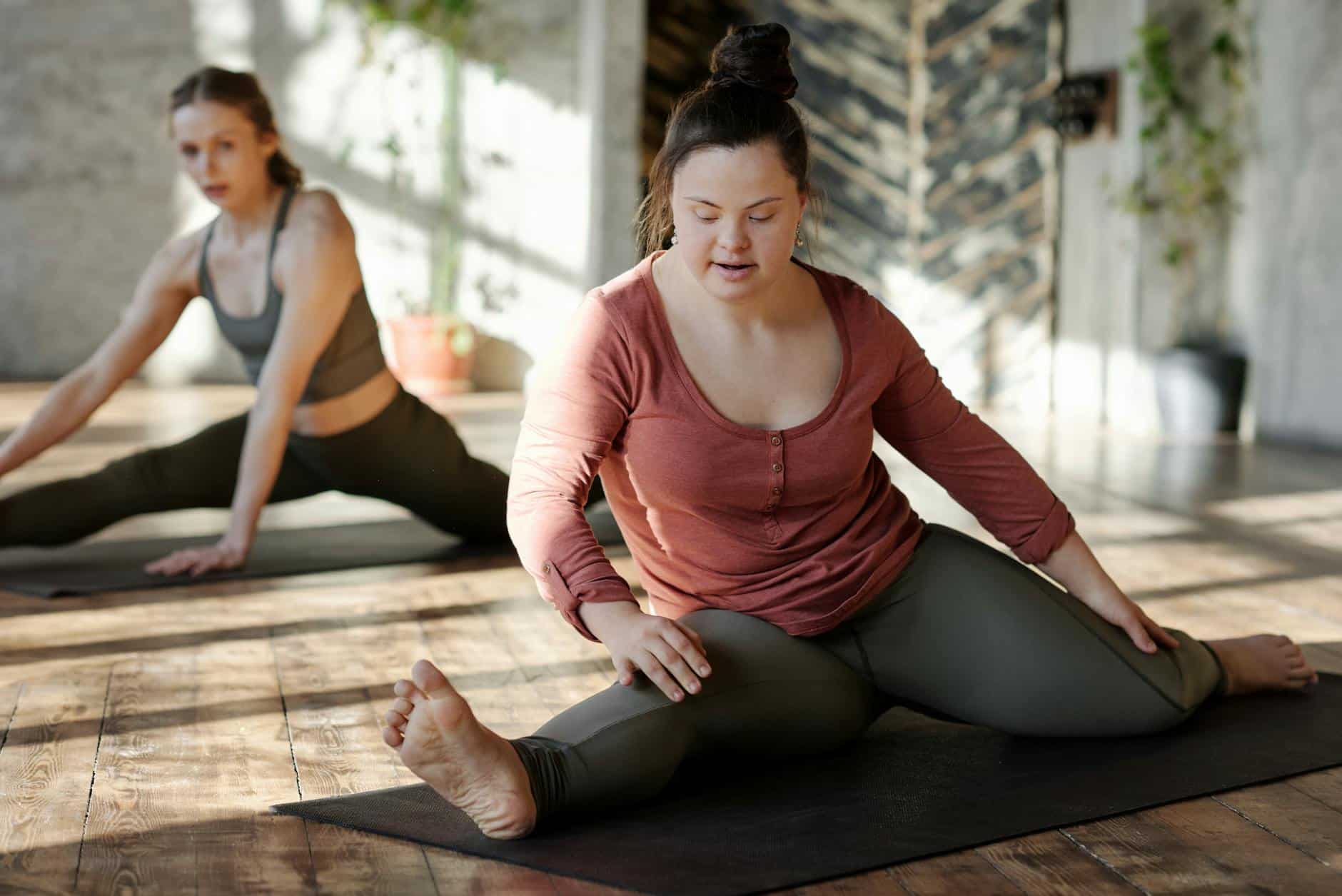
Many people confuse body positivity with body neutrality. These terms represent different approaches to self-image and acceptance. Body positivity focuses on loving one's body, while body neutrality emphasizes functionality over appearance. After reading, you'll better distinguish between these two concepts.
Finding Balance in Self-Perception
The Everyday Struggle with Body Image
Many individuals experience frustration when they catch their reflection, leading to self-doubt and dissatisfaction. Body image refers to how we perceive our physical appearance and how we believe others view us. A positive body image can enhance self-esteem, while a negative one can contribute to issues such as anxiety and depression. This topic is significant as it impacts mental health, self-worth, and overall quality of life.
Why It Matters for Mental Health
Struggles with body image can lead to various mental health issues. Research indicates that approximately 83% of women and 74% of men have experienced dissatisfaction with their physical appearance at some point. This dissatisfaction often arises in vulnerable moments, such as looking in a mirror or trying on clothes. Such negative feelings can contribute to serious conditions like eating disorders or depression. Understanding body positivity and body neutrality offers pathways toward healthier self-perception. Both approaches encourage acceptance of oneself and can mitigate the harmful effects of negative body image.
Beyond the Labels: A New Perspective
What Lies Between Positivity and Neutrality?
Body positivity and body neutrality are two approaches that help individuals navigate their feelings about their bodies. Body positivity emphasizes loving your body regardless of its shape or size, advocating for self-love even amid societal pressures. Conversely, body neutrality promotes acceptance of one's body for its functionality rather than focusing on appearance. Both concepts serve as tools to foster healthier relationships with our bodies, encouraging individuals to appreciate their worth beyond superficial judgments.
The Spectrum of Self-Image
Self-image exists on a spectrum, ranging from negative perceptions to extreme positivity. Body positivity may feel unrealistic for some, as loving every aspect of one's body all the time can be daunting. On the other hand, body neutrality allows individuals to find comfort in accepting their bodies without the pressure to love them fully. Recognizing this spectrum can help individuals choose the mindset that fits their emotional state each day. Some days may call for body positivity, while others may feel more suited to embracing body neutrality.
How It Works: The Science of Body Image
Understanding Self-Perception
Self-perception is influenced by various internal and external factors such as personal experiences, societal expectations, and media portrayals. Negative views of one's body often stem from unrealistic standards promoted by society, which can create feelings of inadequacy and lead to harmful behaviors aimed at achieving an idealized appearance. Cultivating a healthy self-perception involves recognizing these influences and challenging negative thoughts that arise when evaluating one's body.
The Role of Media and Society
Media plays a significant role in shaping perceptions of beauty and body image. Advertisements often showcase narrow definitions of attractiveness that are unattainable for most people, leading to increased dissatisfaction with one’s own body. However, social media also provides a platform for promoting diverse representations of beauty. Movements advocating for body positivity highlight varied body types, encouraging acceptance across different shapes and sizes.
Common Myths About Body Image Approaches
Myth 1: You Must Love Your Body to Be Healthy
A common misconception is that one must love every aspect of their body to achieve good health. In reality, accepting one's body,whether through positivity or neutrality,can be just as beneficial for mental well-being.
Myth 2: Body Neutrality Equals Indifference
Another myth is that practicing body neutrality means being indifferent about one’s physical appearance. In fact, it involves recognizing the body's capabilities instead of focusing solely on looks. Body neutrality promotes appreciation for what the body can do rather than how it appears, fostering a healthier relationship overall.
Practical Strategies for a Balanced Mindset
Mindfulness and Self-Compassion Techniques
Incorporating mindfulness practices can help individuals become more aware of their thoughts about their bodies. Techniques such as meditation can promote self-compassion, allowing people to treat themselves with kindness instead of criticism. Daily self-affirmations can reinforce positive thoughts about oneself. Simple phrases like "I appreciate my body's strength" or "I am grateful for my health" can shift perspectives from negativity to acceptance.
Creating a Supportive Environment
Surrounding oneself with supportive friends or communities can positively influence self-image. Sharing experiences and discussing feelings about body image fosters connection and understanding. Additionally, curating social media feeds to include diverse representations of beauty helps challenge unrealistic standards and promotes acceptance of different body types.
Real-Life Applications: Stories of Transformation
A Journey from Negativity to Acceptance
Many individuals have shared personal journeys from struggling with negative self-image to embracing either body positivity or neutrality. These stories often reflect gradual changes in mindset through consistent practice, support from others, and challenging societal norms regarding beauty. These narratives highlight the importance of patience in developing a healthier relationship with one’s body over time.
Embracing Neutrality in Daily Life
Individuals practicing body neutrality often report newfound appreciation for their bodies’ abilities rather than focusing on aesthetics. Engaging in sports or enjoying nature becomes an opportunity to celebrate what the body can do instead of how it looks. This shift in focus encourages a more balanced approach toward self-image that fosters resilience against societal pressures regarding appearance.
The Future of Body Image Conversations
Cultural Shifts and Their Impact
Cultural conversations around body image are evolving as more voices advocate for inclusivity in beauty standards. Movements promoting both body positivity and neutrality are gaining traction, encouraging more people to embrace themselves without fear based on societal expectations. These cultural shifts empower individuals to challenge traditional notions of beauty while promoting acceptance across all bodies.
The Role of Education and Awareness
Education plays a crucial role in shaping attitudes toward body image from an early age. Teaching children about diversity in appearance and emphasizing self-worth beyond physical attributes fosters healthier relationships with their bodies. Awareness campaigns highlighting the importance of mental health concerning body image further support individuals in navigating these complex feelings effectively. In conclusion, understanding both body positivity and neutrality provides valuable tools for fostering healthy self-images. By incorporating elements from both approaches into daily life, individuals can promote acceptance and appreciation for themselves beyond societal expectations, leading to improved mental well-being.
Sources
- Body Positivity vs. Body Neutrality
- podcasts.apple.com
- open.spotify.com
- podcasts.google.com
- music.amazon.com
- doi.org
- www.ipsos.com
- www.researchgate.net
- btugman.pressbooks.com
- health.clevelandclinic.org
Afterword
The confusion between body positivity and body neutrality often leads to misunderstandings about self-acceptance. Recognizing the differences can help individuals choose the mindset that best suits their emotional needs.
Articles
- Embracing Sex Positivity for Better Well-Being and Relationships
- Understanding Positive Self-Talk and Its Benefits for Wellbeing
- Benefits of Positive Thinking and Practical Ways to Implement It
- What to Avoid Saying to Someone with Cancer and Better Alternatives
- How Therapy Supports Coping with a Cancer Diagnosis
- Emotional Health and Spiritual Wellness: Insights and Resources
Days
- September 1: Acne Positivity Day (United States)
- September 13: Positive Thinking Day (United States)
- September 12: Day of Encouragement (United States)
- September 11: No News is Good News Day (United States)
- September 10: Suicide Prevention Day
- September 5: Cellulite Day (United States)
Why do you keep falling for the same type?
Read the article Lovemaps: the hidden blueprint of our love.
Did you not find what you were looking for? Let me help you find more.
