
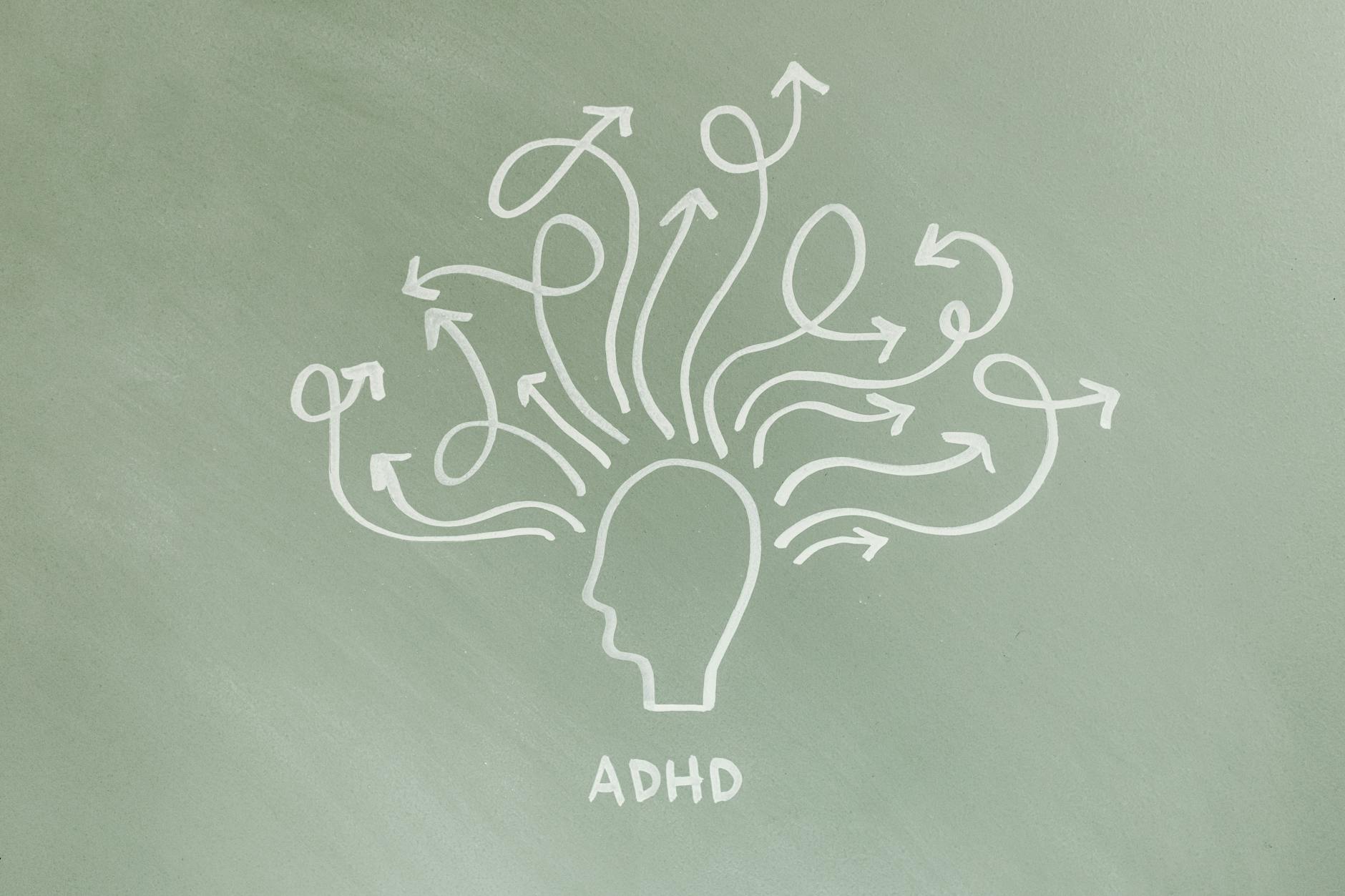
Many people confuse having multiple mental health conditions with simply experiencing a single disorder. This mix-up can lead to oversimplified views on treatment and support. Comorbidities involve the presence of more than one mental health issue at the same time. Readers will better understand these overlapping conditions after reading.
Living with Multiple Challenges
Many individuals struggle with the burden of multiple mental health conditions simultaneously, which can complicate treatment and significantly affect their quality of life. Understanding these overlapping conditions is crucial for effective management and support.
Comorbidities refer to the presence of more than one disorder in the same person. For instance, if someone is diagnosed with both social anxiety disorder (SAD) and major depressive disorder (MDD), they are said to have comorbid anxiety and depressive disorders. Other common comorbid conditions include physical ailments like diabetes or cardiovascular disease, alongside mental health issues such as eating disorders and substance use disorders.
The Daily Impact of Coexisting Conditions
Individuals living with comorbid conditions often face daily challenges that hinder their ability to function. The combination of disorders can lead to more severe symptoms and a lower quality of life. For example, a person with both depression and anxiety may struggle with daily tasks, affecting their work and personal relationships. These overlapping symptoms can create a cycle that makes it difficult for individuals to seek help.
Why Awareness Matters
Awareness of comorbidities is vital for both patients and healthcare providers. Recognizing that a person may be dealing with multiple mental health issues can lead to better diagnosis and treatment strategies. Early intervention is essential; timely diagnosis and treatment can prevent the development of further complications or additional mental health problems.
Unpacking the Complexity
Defining Comorbidities
The term comorbidity was coined in the 1970s by A.R. Feinstein, an American doctor and epidemiologist. He illustrated how individuals suffering from one condition often experience additional diseases. This concept has evolved, now encompassing multiple mental or physical health conditions existing simultaneously within one individual.
Common Combinations of Conditions
Many people with mental health disorders have more than one condition at the same time. Research shows that having one mental disorder increases the likelihood of developing another. Some frequent combinations include anxiety disorders paired with depression or substance use disorders coexisting with mood disorders.
How it Works
The Interconnectedness of Mental Health Disorders
The relationship between mental health disorders is complex. Symptoms from one disorder can aggravate another, making diagnosis and treatment more difficult. For instance, anxiety can worsen depressive symptoms, creating a challenging cycle for the individual.
Biological and Environmental Factors
Both biological and environmental factors contribute to the development of comorbid conditions. Genetics plays a role in predisposing individuals to certain disorders, while environmental stressors, such as trauma or chronic stress, can trigger or exacerbate these conditions.
Misperceptions About Mental Health Coexisting Conditions
Myth: It’s Just a Phase
Many people believe that mental health issues are temporary or phases that will pass. However, comorbidity often indicates deeper underlying issues that require professional attention.
Myth: Treatment is One-Size-Fits-All
Another common misconception is that treatment approaches can be standardized for everyone with similar conditions. In reality, individuals with comorbidities often need tailored treatment plans that address each condition uniquely.
Navigating Treatment Options
Integrated Approaches to Care
Effective treatment for comorbid conditions typically requires an integrated approach. This means coordinating care among various healthcare professionals who understand the complexities of treating multiple disorders simultaneously.
The Role of Support Systems
Support systems play a crucial role in managing comorbidities. Family members, friends, and support groups can provide encouragement and understanding, helping individuals feel less isolated in their struggles.
Real-Life Stories: Voices of Resilience
Personal Journeys Through Comorbidity
Many individuals have shared their experiences navigating life with comorbid conditions. These personal stories highlight the challenges they face but also showcase their resilience in seeking help and support.
Finding Strength in Community
Community support can be invaluable for those dealing with multiple mental health issues. Many find strength in sharing their experiences with others facing similar challenges, fostering hope and healing together.
Looking Ahead: The Future of Mental Health Research
Innovations in Treatment and Understanding
Research continues to advance our understanding of comorbidity in mental health. New treatment methods are emerging that consider the interconnected nature of various disorders, leading to better outcomes for patients.
The Importance of Continued Advocacy
Advocacy remains essential in raising awareness about mental health comorbidities. By promoting education and resources, we can improve access to care for those affected by multiple conditions. In summary, understanding comorbidities is vital for effective diagnosis and treatment in mental health care. By recognizing the complexity of these overlapping conditions, we can better support those who navigate these challenges daily.
Sources
- Comorbidities in Mental Health: Common Comorbid Conditions
- doi.org
- doi.org
- doi.org
- doi.org
- doi.org
- doi.org
- doi.org
Afterword
The observation about the confusion surrounding comorbidities highlights a common issue in mental health discussions. Recognizing the complexity of having multiple conditions can lead to more effective management and support strategies.
Why do you keep falling for the same type?
Read the article Lovemaps: the hidden blueprint of our love.
Did you not find what you were looking for? Let me help you find more.
